There is a specific kind of friction that occurs when a digital search for "free football" meets the hard reality of the modern sports economy. For the fan looking to catch a high-stakes match without a subscription, the path is often a maze of low-quality streams, copyright-infringing sites, and a constant battle against buffering. This search for accessibility is not merely a matter of convenience; it is a reaction to a broadcasting landscape that has become increasingly expensive and fragmented.
The Billion-Euro Barrier
The dream of seamless, low-cost viewing is being crushed by the sheer scale of media rights acquisitions. The numbers behind the scenes reveal why "free" is a becoming a rarity in professional football. The broadcasting industry is no longer a matter of simple channel access; it is an arena of massive capital outlays.
- Movistar: A heavyweight in the Spanish market, having committed €975 million for European football rights through 2024, alongside €520 million per season for LaLiga.
- DAZN: Leading the digital charge, DAZN has invested €470 million for nearly half of LaLiga matches through 2027, and has specifically backed women's football with a €35 million investment for five seasons of Liga F.
This astronomical spending by providers like Movistar, DAZN, and Orange (via their Love Fútbol tariffs) creates a high barrier to entry for the casual viewer. While some concessions exist—such as GOL Play broadcasting one LaLiga EA Sports match per matchday—the majority of the elite competition is locked behind tiered subscription models ranging from €9.99 to 105 euros per month.
The Search for the 'Free' Loophole
When the subscription cost becomes a deterrent, fans pivot toward alternative, often legally complex, methods of consumption. The landscape of "free" viewing is divided into three distinct tiers:
- The Club-Owned Model: Official channels like Real Madrid TV offer a different utility. As an international broadcaster owned by the club, it provides exclusive access to interviews, academy matches, and pre-season friendlies, often available via open TDT channels in Spain.
- The Betting Pivot: A legal, albeit conditional, way to view matches is through registered accounts on betting websites. While not entirely without cost, a minimal deposit—sometimes as low as 1 euro—can grant access to live streams of various international tournaments and championships.
- The Unregulated Digital Wild West: The increase in websites offering free streams comes with a trade-off. While the technical issues of the past, like constant freezing, are diminishing, these sites are often plagued by heavy advertising and the constant threat of shutdown due to copyright issues.
From Passive Spectator to Tactical Manager
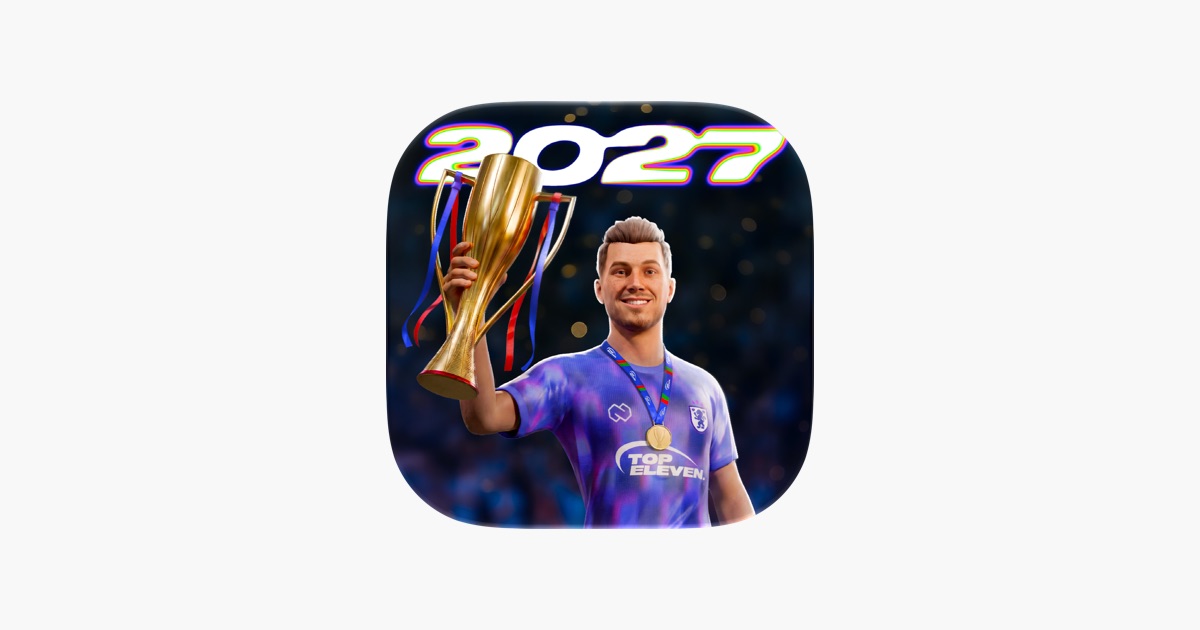
As the cost of being a spectator rises, a new breed of engagement is emerging: the shift from watching the game to controlling it. This is most evident in the evolution of football management simulations like Top Eleven, which offers a different kind of "live" experience.
The 2027 iteration of these management platforms represents a move toward deep tactical agency that a passive viewer simply cannot access. Instead of merely reacting to a referee's decision, managers are navigating real-time 3D match engines and PvP (Player vs. Player) environments. The complexity is no longer just about picking a lineup; it is about the granularity of the decision-making process.
| Feature | Spectator Experience | Manager Experience (Top Eleven 2027) |
|---|---|---|
| Control Level | Passive Observation | Real-time tactical adjustments |
| Tactical Depth | Visual analysis only | Advanced data visualization and statistical reports |
| Personnel Role | Fan/Supporter | Directing training, transfers, and academy development |
This digital evolution even incorporates the prestige of the real-world game through mentorship. Rather than just watching legends, players in these simulations can leverage the experience of icons like Alan Shearer, Claude Makélélé, Nemanja Vidić, and Cesc Fàbregas to refine their strategies. By participating in real-time auctions and managing everything from training exercises to stadium campus construction, the fan moves from a consumer of content to a director of outcomes.
Ultimately, the football fan in 2026 exists in a state of tension. They are caught between the massive financial machinery of global broadcasters and the hyper-personalized, tactical control offered by digital simulations. Whether they are searching for a way to watch a match for free or fighting to build a dynasty in a virtual league, the fundamental desire remains the same: to feel a part of the beautiful game.
Sources
These sources formed the evidence pack for this article. Links open the original publisher; inclusion does not imply endorsement.
- apps.apple.com original
- watch-football.tv original
- stream365.link original
- solomarcadores.com original