The Walkout as Warfare
At the U.S. Open, the roar of the crowd is usually reserved for a blistering cross-court winner or a desperate, lunging volley. But this year, a different kind of electricity is surging through the stadiums, and it has little to do with the physics of a yellow felt ball. Naomi Osaka has arrived, and if the recent buzz is any indication, she isn't just playing the tournament—she is staging it.
The headlines surrounding Osaka at Flushing Meadows have shifted from her ranking to her wardrobe, specifically a stunning "wedding dress" walkout that has left fans divided. This isn't a mere side effect of celebrity; it is a calculated, rebellious pivot that positions tennis as the mere contorno—the background—to a much larger performance of identity and style. It is a move that has caught the attention of her peers, with players like Madison Keys noting a palpable rise in "influencer" culture within the professional circuit.
A Season of Sartorial Subversion
To understand the gravity of the US Open spectacle, one must look at the trail of couture devastation Osaka has left across the 2026 Grand Slam calendar. This hasn't been a series of accidental fashion wins; it has been a disciplined, months-long campaign of aesthetic disruption.

- The Parisian Goth: During the French Open, Osaka transformed the clay of Roland Garros into a dark, romantic stage. Working with Swiss couturier Kevin Germanier, she unveiled a deconstructed, all-black ensemble. The look featured a sleeveless corset top—meticulously embellished with black beads, sequins, and red and clear gems—paired with a semi-sheer pleated maxi skirt fashioned from the internal lining of her own previous competition gear. Beneath the high-fashion veneer, she executed a Broadway-style quick change, stripping away the "glamorous goth" exterior to reveal a high-performance Nike kit: a light brown skirt set with a two-tiered peplum and vertical rows of gold sequins.
- The Melbourne Metamorphosis: The year began in Australia with a display of aquatic whimsy. At the Australian Open, Osaka leaned into a "jellyfish and butterfly" theme, arriving at Rod Laver Arena in a seafoam-appliqued Nike ensemble. The look was completed with pleated white pants, a matching winged white hat, and even a parasol—an accessory so large she admitted to "low-key" hitting a few tunnel boards during her arrival.
Whether it is the deconstructed couture of Paris or the whimsical seafoam of Melbourne, the pattern is clear: Osaka is leveraging the Grand Slam walk-on to bridge the gap between elite athleticism and high-concept fashion.
The Joy vs. Distraction Debate
This evolution is not without its friction. The intersection of professional tennis and high-fashion spectacle creates a tension that the sport is still learning to navigate. As the "influencer" era of tennis expands, the question remains whether these high-octane entrances serve the athlete or distract from the discipline.
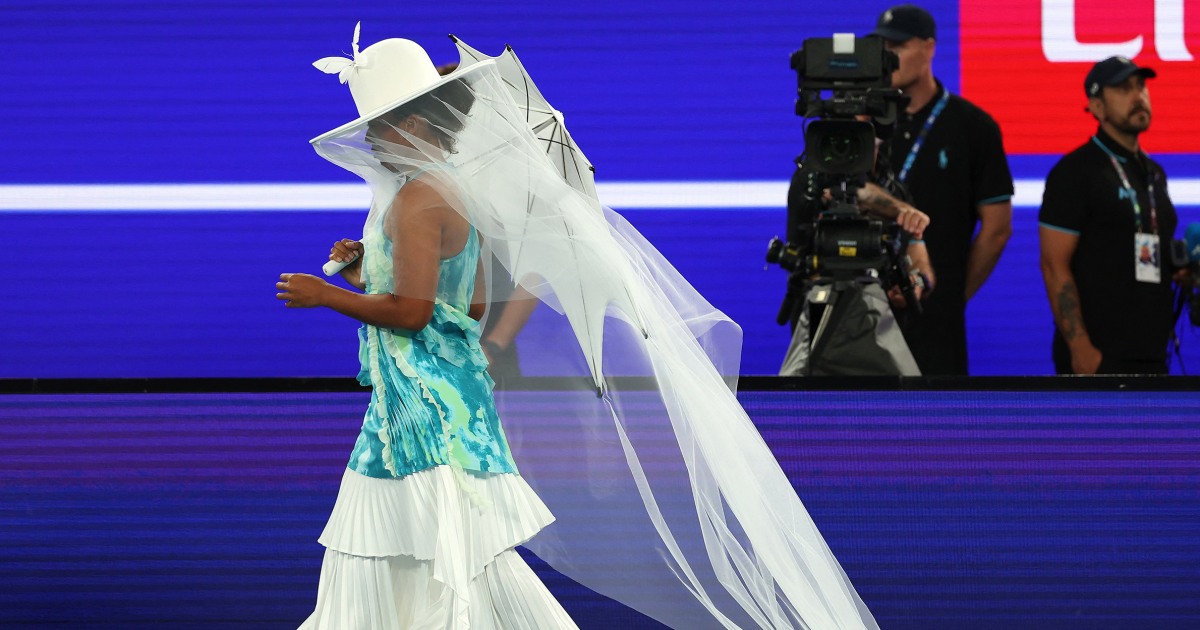
For Osaka, however, the motivation is deeply personal and surprisingly pragmatic. She views her fashion choices not as a distraction from the match, but as a psychological tool to facilitate her mental state. "I just feel like I want to do things that, like, create joy and happiness," Osaka explained following her victory over Antonia Ruzic in Melbourne. "For me, obviously I really love fashion. That makes me excited to wake up and do the whole, like, walk-on or whatever. It just creates a little bit more joy in that whole match preparation."
There is also a pragmatic acceptance of the digital age. She is fully aware that her presence is designed to trigger a reaction, even if that reaction is polarizing. When discussing the pressure of maintaining such an audacious persona, she noted: "If she beats you, then that's unfortunate. But hey, at least you're trending on Twitter!"
The Evolution of the Athlete-Icon
What we are witnessing in 2026 is the solidification of a new archetype. The modern tennis star is no longer confined to the functional limits of moisture-wicking polyester and standard visors. By integrating couture—mixing the "romantic yet strong" energy of designers like Germanier with the technical requirements of Nike—Osaka is redefining the visual language of the sport. She is no longer just competing for points; she is competing for the cultural zeitgeist, ensuring that even when the score is forgotten, the silhouette remains.
Sources
These sources formed the evidence pack for this article. Links open the original publisher; inclusion does not imply endorsement.
- tennis.com original
- themirror.com original
- vogue.com original
- harpersbazaar.com original