Scores, fixtures and picks
These fixtures are connected to teams or competitions named in the article. Live status and scores come from the normalized SportyPulses data feed; predictions are reader picks, not betting advice.
When the Chicago White Sox and Seattle Mariners finalized a four-player swap on Saturday night, the transaction carried the unmistakable weight of a franchise pivot. The White Sox, holding a slight lead in the American League Central despite a narrow loss to the Tampa Bay Rays, acquired veteran right-hander Luis Castillo. Heading to Seattle are right-handed reliever Seranthony Domínguez, outfielder Nolan Jones, and catching prospect Boston Smith.
For Chicago, securing Castillo represents an aggressive bet on veteran pedigree during an unexpected contention window. The White Sox rotation has leaned heavily on breakout arms Davis Martin and Sean Burke, free-agent addition Anthony Kay, Erick Fedde behind an opener, and struggling rookie Noah Schultz. None of those starting arms carry postseason experience. Castillo, despite enduring the roughest campaign of his decade-long major league career, brings six postseason appearances and the stabilizing presence of a former staff ace.
The Financial Mechanics and Roster Calculus
Financial commitments dictated the contours of the deal just as much as on-field need. According to MLB.com and ESPN reports, the Mariners are sending no cash back to Chicago, leaving the White Sox responsible for the remainder of Castillo’s contract. That includes approximately $7.4 million remaining on his 2026 salary, $22.75 million for 2027, and a $25 million vesting option for 2028 that triggers if the right-hander logs 180 innings next year and enters the season healthy.
To offset that financial burden, the trade sends Domínguez to Seattle. Signed to a two-year, $20 million deal in January to act as Chicago’s closer, Domínguez lost ninth-inning duties after posting a 4.10 ERA with a troublesome 14.2% walk rate over his first 37 1/3 innings. He is owed roughly $15.2 million total across the remainder of 2026 and 2027, alongside a $2 million buyout for a 2028 mutual option. For a Mariners bullpen in need of swing-and-miss stuff, Domínguez provides high-octane velocity that can touch 97-plus mph, slotting into a middle-relief role behind closer Andres Munoz.
Shedding Salary and Clearing the Rotation Glut
For Seattle, the motivation was twofold: clearing payroll space within a mid-level budget and resolving a logjam in the starting rotation. Castillo’s decline in velocity and diminished metrics—including a career-low 97 Stuff+ and a 5.06 ERA across 20 appearances (17 starts) this year—made his contract a primary target to move. Even when Bryce Miller returned from injury, Seattle kept Castillo active by utilizing an opener for him across three outings, preserving his value as a starter rather than relegating him permanently to the bullpen.
With top pitching prospects Kade Anderson and Ryan Sloan nearing major league readiness, the Mariners opted to monetize their rotation depth. Moving Castillo allows Seattle financial flexibility while adding outfield depth through Nolan Jones. Jones, a former top prospect who enjoyed a breakout in 2023 with Colorado before struggling through 2024 and 2025 (.218/.307/.311 over 700 plate appearances), has posted a .257/.362/.445 slash line with 14 home runs at Triple-A this season.
The Crown Jewel of the Return: Boston Smith
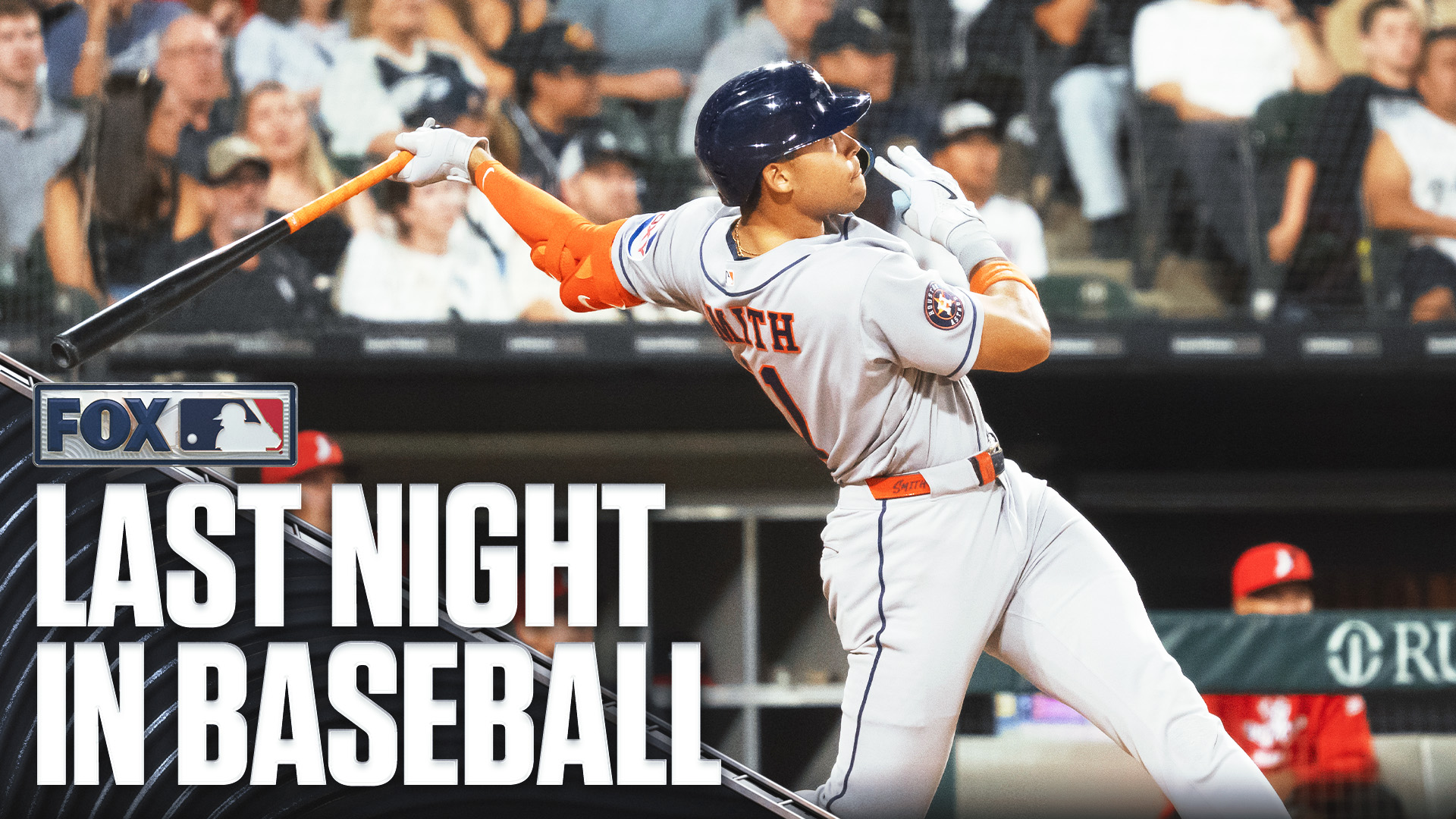
The most compelling asset changing hands is 23-year-old catching prospect Boston Smith. Ranked as Chicago's 15th-best prospect by MLB Pipeline, Smith was selected in the sixth round of the 2025 draft out of Wright State after tying for the Division 1 lead with 26 home runs. In his first professional year, Smith tore through three levels, rocketing from Single-A to Double-A while slashing .291/.448/.589 with 22 long balls.
Evidence-Led Forecast
Tactical Pattern: The White Sox will slot Castillo into the middle of their rotation alongside Kay, Fedde, and Martin, likely shielding rookie Noah Schultz by shifting him out of regular starting duties. Chicago will bank on pitching coaches helping Castillo harness his ticking fastball (recovering slightly to an average of 95.3 mph) to counteract career-worst strikeout (19.4%) and swinging-strike (10.9%) rates.
Decisive Matchup: Castillo’s ability to navigate the second half of games without yielding high home-run rates will dictate whether Chicago's gamble pays off. His decreased Stuff+ and lingering control issues must be masked by defensive positioning and veteran sequencing.
Strongest Counter-Case: Skeptics argue that Castillo's struggles in pitcher-friendly T-Mobile Park point toward irreversible physical decline rather than temporary variance, making his $30 million remaining payout through 2027 an albatross for a small-to-mid market payroll.
What Would Change the Read: If Castillo recaptures the durability that produced three consecutive seasons of 30-plus starts and mid-3.00s ERAs from 2023 to 2025, the White Sox secure a battle-tested anchor for a surprise October run. If the home runs continue to mount, Chicago will simply absorb the financial hit while evaluating their longer-term payroll flexibility.
Sources
These sources formed the evidence pack for this article. Links open the original publisher; inclusion does not imply endorsement.
- mlb.com original
- eldia.com.do original
- Diario Libre original
- Charlie Wright and Leo Morgenstern | at August 1, 2026 9:02pm CDT original
- Kate Preusser Sun, August 2, 2026 at 3:21 AM UTC · 5 min read original
- Jesse Rogers original
- Jesse Rogers original