Related coverage
View the Instagram post
Scores, fixtures and picks
These fixtures are connected to teams or competitions named in the article. Live status and scores come from the normalized SportyPulses data feed; predictions are reader picks, not betting advice.
Postseason baseball often swings on moments that escape pure statistical projection. During Game 2 between the San Diego Padres and Chicago Cubs at Petco Park, stadium energy erupted spontaneously as Gavin Sheets stepped to the plate. Broadcasting on 104.7 FM with Steven Boivin, sports commentator Marc Legault captured why those unscripted bursts elevate October: Quand une foule est en symbiose puis qu'il y a rien d'organisé, moi ça me fascine. Je trouve ça vraiment le fun.
That underlying tension between raw momentum and sharp tactical execution frames the American League Division Series.
Power vs. Small Ball: New York and Tampa Bay
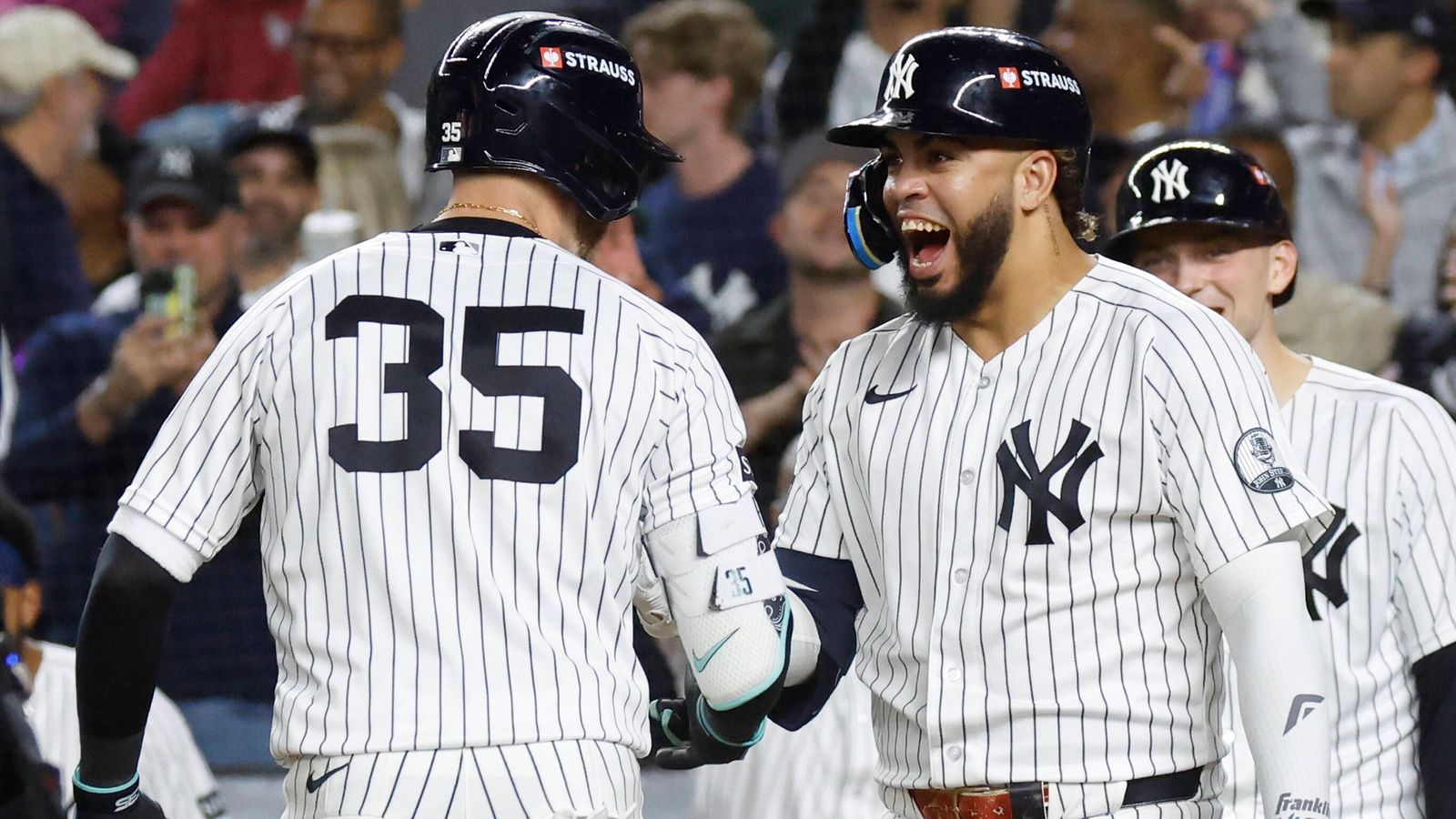
The clash between the New York Yankees and Tampa Bay Rays presents a study in opposing offensive design. New York steamrolled past Boston without needing Aaron Judge, Gerrit Cole, or Carlos Rodón, capitalizing on a Red Sox lineup that suffered MLB's least productive offensive September. Yet the Rays offer a far stiffer challenge because their overall run-creation efficiency matches New York much closer than home run tallies suggest.
While the Yankees leverage raw power—slugging 223 home runs to Tampa Bay's 169 and leading in slugging percentage .409 to .402—the Rays counter with superior overall base-reaching capability. Combining on-base percentage and slugging (MPP), Tampa Bay holds a narrow .728 to .720 edge over New York. The Rays also rank second in Major League Baseball with 1,405 hits, compared to New York's 1,250 (which ranked 29th). Crucially, Tampa Bay led the majors with 45 successful bunts, whereas New York recorded just 10. Paired with 164 stolen bases against New York's 153, Tampa Bay relentlessly pressures defenses through contact, manufacturing runs, and small-ball tactics.
Late-Inning Control and Rotation Choices
With built-in off days between Games 1 and 2, as well as Games 2 and 3, both clubs can navigate a five-game series using a three-man rotation. New York can turn to Gerrit Cole or Carlos Rodón for Game 1, followed by Cam Schlittler in Game 2 and Max Fried in Game 3. Tampa Bay relies on Drew Rasmussen for the opener, leaving manager Kevin Cash flexibility with Nick Martinez or Freddy Peralta for subsequent games.
Where the series could pivot is late-inning security. Tampa Bay blew only 19 leads this season compared to New York's 28, compiling 58 saves against the Yankees' 45. In terms of WHIP or runners per inning—measured by moyenne de coureur par manche (MCM)—the bullpens are virtually identical, with the Rays posting a 1.20 MCM to the Yankees' 1.22. New York cannot assume any advantage once games enter the final frame.
Central Division Grudge Match: Cleveland's Depth vs. Chicago's Offense
In the AL Central matchup, a single victory separated the Cleveland Guardians and Chicago White Sox at the top of the standings. Cleveland clinched the division title behind a late 9–2 surge, but Chicago took seven of their 13 regular-season meetings. Eleven of those 13 contests were settled by three runs or fewer, including seven one-run games.
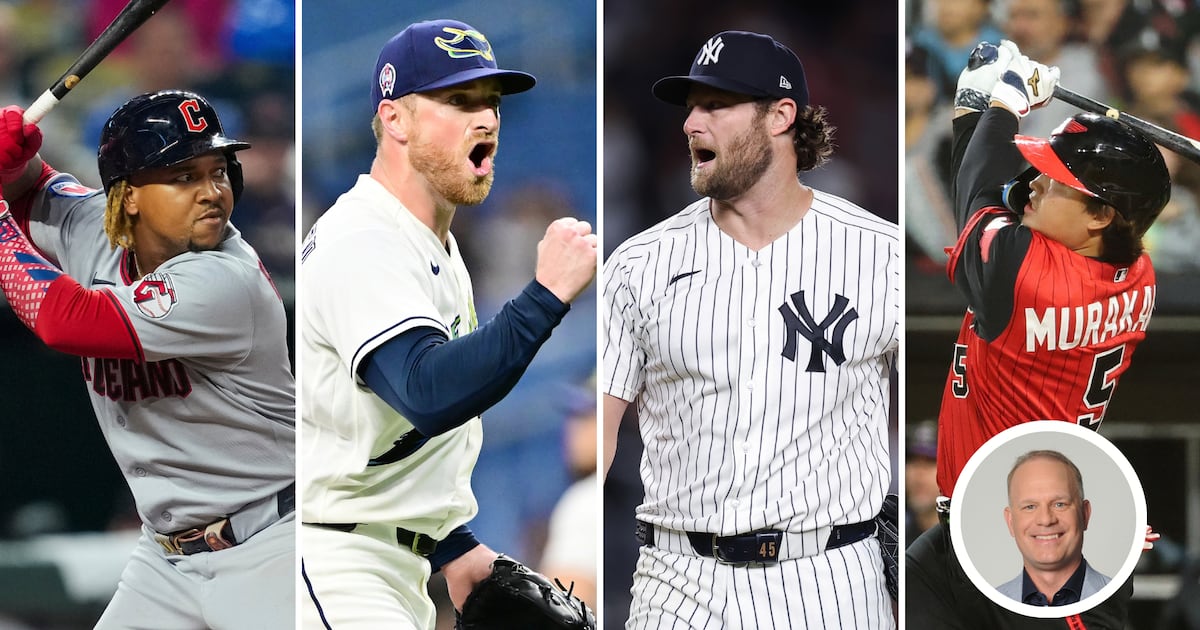
Chicago arrives after dispatching Houston, proving they can generate runs even when key sluggers like Miguel Vargas and Munetaka Murakami go quiet. The White Sox led the American League in total runs scored, playing with uninhibited freedom. However, Chicago's vulnerability lies in starting depth. Having utilized a bullpen committee in Game 1 against Houston, repeating that strategy across a five-game series against a rotation-heavy opponent creates immense strain if Davis Martin cannot handle heavy length.
Cleveland counters with structural pitching stability. Rookie Parker Messick is tabbed for Game 1, with Gavin Williams set for Game 2, anchored by elite closer Cade Smith in the bullpen. Offensively, Jose Ramírez endured an injury-hampered campaign—hitting just 12 home runs with a .688 MPP in 125 games, well below his usual 30-plus home run standard—but a six-day break before the series could spark a rebound. Supported by Chase DeLauter, Jo Adell, and top prospect Travis Bazzana, Cleveland's lineup possesses enough depth to complement their pitching edge.
Evidence-Led Forecast: AL Division Series Trajectories
Yankees vs. Rays: Expect a series dictated by defensive discipline under pressure. The decisive matchup hinges on New York's infield defense against Tampa Bay's high-contact, bunt-heavy attack. If New York limits extra opportunities and prevents Tampa Bay from exploiting small-ball plays, their superior home run production should carry them. However, if Tampa Bay forces errors and controls late innings through their 1.20 MCM bullpen, Cash's tactical flexibility provides a direct path to an upset.
Guardians vs. White Sox: This series leans toward a tight, five-game grind given their head-to-head record. The decisive factor is Chicago's reliance on a pitching committee versus Cleveland's traditional starting depth. While Chicago's top-ranked AL offense can capitalise on defensive missteps, Cleveland's pitching structure—led by Messick, Williams, and Smith—gives the Guardians a clearer long-term advantage over an extended series.
Sources
These sources formed the evidence pack for this article. Links open the original publisher; inclusion does not imply endorsement.
- rds.ca original
- silversevensens.com original
- labrigadepodcast.ca original
- fm1047.ca original