The dust has finally settled on the pitch at MetLife Stadium, and the echoes of the Spain-Argentina showdown in East Rutherford are still ringing through the New York skyline. But as the traditional gold medals are tucked away and the heavy lifting of the trophy presentation concludes, a new, more permanent symbol of supremacy has emerged. For the first time in the history of the FIFA World Cup, the victors are not just walking away with silverware and heavy metal around their necks; they are carrying a piece of wearable history: the commemorative championship ring.
This isn't just a change in hardware; it is a calculated cultural pivot. By adopting a tradition long held sacred by the NBA, NFL, MLB, and NHL, FIFA has signaled a desire to bridge the gap between global footballing prestige and the high-octane, lifestyle-driven celebration of American professional sports. The ring represents a shift from the ephemeral glory of a match to a permanent, customizable emblem of status.
The Mechanics of the Memento
The rollout of this new tradition was choreographed with surgical precision to maximize the emotional high of the final. The process began the moment the final whistle blew, with the captain and the head coach receiving two symbolic rings during the immediate post-match ceremony. These initial pieces served as the ceremonial bridge between the heat of competition and the official recognition of victory.
However, the true weight of the honor is reserved for the squad. Following the ceremony, 30 personalized rings are commissioned for the specific members of the championship team. Unlike the standardized gold medals, these are tailor-made artifacts. Each is a numbered, bespoke piece of jewelry designed to reflect the specific achievement of the tournament.
Perhaps the most significant departure from traditional FIFA protocol, however, is the move toward fan integration. In a masterstroke of engagement, FIFA announced the production of 2,026 rings in total. With the 30 player rings accounted for, the remaining 1,996 units were made available for worldwide purchase, allowing the global fanbase to possess a numbered, certified piece of the tournament's legacy.
Design: A Dual Identity
The aesthetic of the ring serves a dual purpose: honoring the global game while celebrating the specific triumphs of the winning nation. The design architecture is split between the universal and the particular:
- The Global Icon: One side of the ring features the unmistakable silhouette of the FIFA World Cup trophy, anchoring the piece in the history of the sport.
- The National Soul: The opposing side is left for personalization, incorporating design elements that reflect the unique identity and heritage of the winning national team.
Every ring is accompanied by a certificate of authenticity, ensuring that even as the hype of the tournament fades, the legitimacy of the possession remains intact. This move transforms the championship from a fleeting moment in time into a tangible asset.
The Spectacle of the Presentation
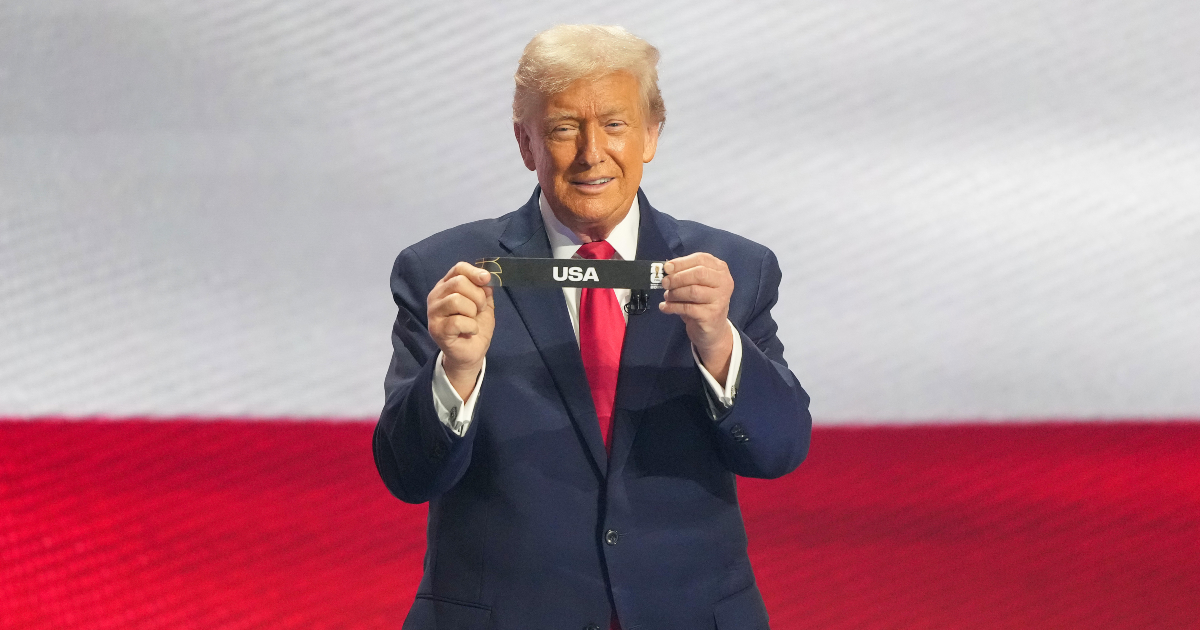
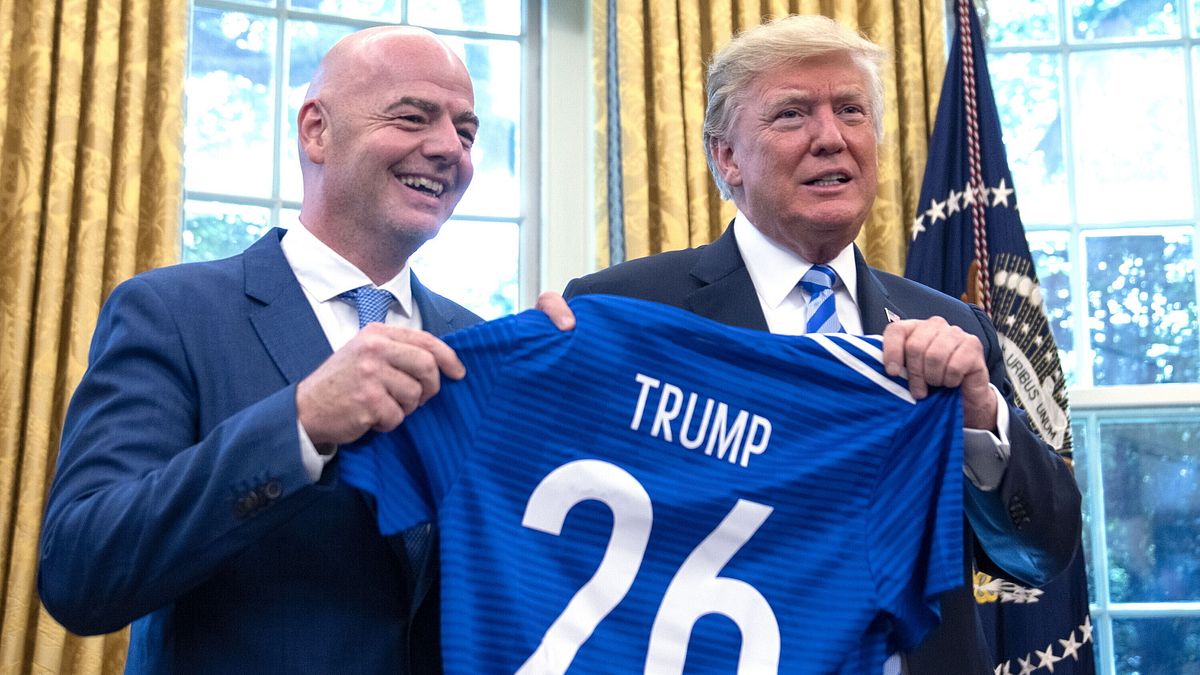
The introduction of the ring coincides with a broader trend of heightened spectacle in the tournament's presentation. The ceremony at MetLife was a high-stakes intersection of sport and global politics, featuring both FIFA President Gianni Infantino and U.S. President Donald Trump. Trump, who had previously been involved in the 2025 FIFA Club World Cup presentation in New York, was authorized to join Infantino in the presentation of the trophy to the victors.
While some fans have historically contested the presence of political figures in these purely athletic triumphs, the sheer scale of the 2026 event suggests that FIFA is leaning into the 'eventization' of the World Cup. The ring is the perfect accessory for this new era—a piece of jewelry that is as much about brand, lifestyle, and enduring status as it is about the ninety minutes played on the grass.
As we look back on the 2026 cycle, the question is no longer just who lifted the trophy, but who wears the ring. FIFA has successfully imported a piece of American sporting DNA, ensuring that the glory of the World Cup is no longer just something you see on a podium, but something you can wear on your hand.
Sources
These sources formed the evidence pack for this article. Links open the original publisher; inclusion does not imply endorsement.
- zazoom.it original
- fifa.com original
- editorial team original
- gazzetta.it original
- lottomatica.sport original
- sportmediaset.mediaset.it original
- video.corriere.it original