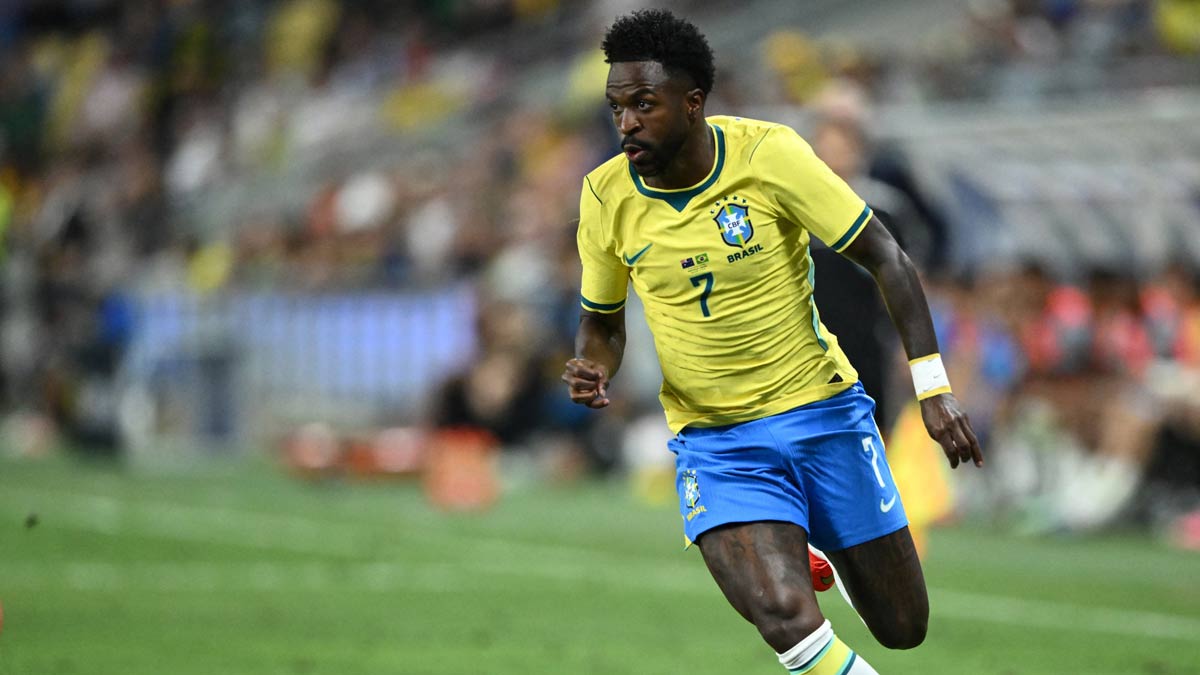
When Argentina and Cape Verde walk out onto the pitch at the Miami Stadium, they will cross a chasm of footballing history, economic scale, and demographic weight that few fixtures in the tournament's history can rival. La Albiceleste arrive as reigning world champions, possessing a squad valued at 807.5 million euros and a lineage stretching back to the inaugural 1930 World Cup. Across the tunnel stand the Blue Sharks of Cape Verde, an archipelagic nation of roughly 530,000 people—smaller than every United States state—making them the smallest country ever to reach the knockout rounds of a World Cup.
The disparity is stark. According to data from Transfermarkt, Cape Verde's entire squad carries a combined value of just 54.5 million euros, a figure eclipsed five times over by individual players in Lionel Scaloni's Argentina setup, where Chelsea's Enzo Fernandez alone commands a 77.4 million euro valuation. Yet Cape Verde's improbable journey to the last 32—navigating a group stage that included holding European champions Spain to a scoreless draw before securing progression ahead of two-time winners Uruguay and Saudi Arabia—has defied every pre-tournament projection.
The tactical subplot offers an intriguing study in modern international roster construction. While Argentina boasts household names plying their trade in Europe's elite leagues alongside Lionel Messi and Rodrigo de Paul in Major League Soccer, Cape Verde relies heavily on a sprawling diaspora. Twelve members of their squad were born on the islands, while others trace their eligibility through roots in the Netherlands, France, and Portugal. Notably, 40-year-old goalkeeper Vozinha enters the fixture as a free agent following the expiration of his contract with Portuguese second-division side Chaves, setting up an unexpected marquee duel against arguably the greatest player the world has seen.
Newcastle United's Goalkeeping Overhaul
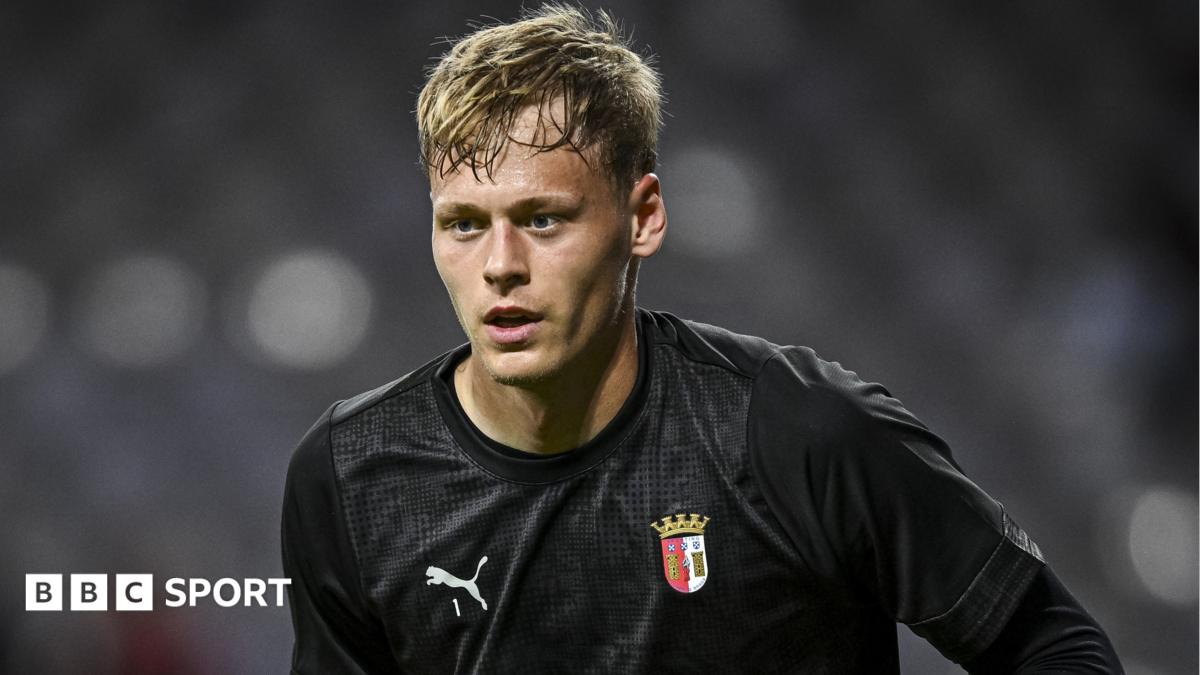
While the global game focuses its gaze on Miami, European clubs are aggressively reshaping their squads for the domestic campaigns ahead. On Tyneside, Newcastle United have moved decisively to address their defensive vulnerabilities by activating a release clause to sign 24-year-old Czech Republic international Lukas Hornicek from Braga for 25.7 million pounds.
A rebuild in the North East became an absolute necessity after a campaign where Newcastle leaked 55 goals and managed just eight clean sheets in the Premier League, finishing 15th overall in defensive concessions. Outgoing or unstable options forced sporting director Ross Wilson and incoming head coach Mattias Jaissle into the market. Hornicek arrives with impressive pedigree after keeping seven clean sheets during Braga's run to the UEFA Europa League semi-finals—the most of any goalkeeper in the competition last season. Opta metrics further underscore his modern profile, noting he ranked second for successful passes (846) and fourth for passing accuracy (75%) among goalkeepers in Portugal's top flight.
Standing at 6 feet 6 inches, Hornicek brings the physical stature required to handle the Premier League's aerial bombardments, coupled with the distribution skills demanded by contemporary tactical systems. However, transitioning from a regular starter of only 18 months in Portugal to the relentless intensity of English football represents a formidable leap.
Institutional Governance and Fair Play
Away from the transfer market and tournament brackets, European football's administrative arm continues to measure integrity through structural incentives. The UEFA fair play rankings for the 2024-25 monitoring cycle illustrate how positive behavior on the pitch translates into tangible social impact. National associations demonstrating exemplary conduct across club and international competitions receive 50,000 euro grants earmarked for community projects.
Past distributions highlight the diverse avenues of reinvestment. The Swedish Football Association directed funds to Samuelsdals IF to transform local grounds into inclusive spaces featuring social initiatives like 'Fredagshäng', while the Latvian Football Federation utilized its award to improve stadium accessibility for disabled and elderly supporters across Riga. Meanwhile, the Royal Spanish Football Federation instituted a specialized sustainability officer—dubbed a 'Green Agent'—to coordinate environmental and anti-discrimination measures at major events.
Whether on the grandest international stage in Miami or within the gritty tactical trenches of the Premier League, football's current landscape remains defined by the tension between entrenched power and insurgent ambition. Cape Verde's improbable clash with Argentina and Newcastle's calculated gamble on Hornicek both prove that reputation and pedigree offer no absolute guarantees when the whistle blows.

Sources
These sources formed the evidence pack for this article. Links open the original publisher; inclusion does not imply endorsement.