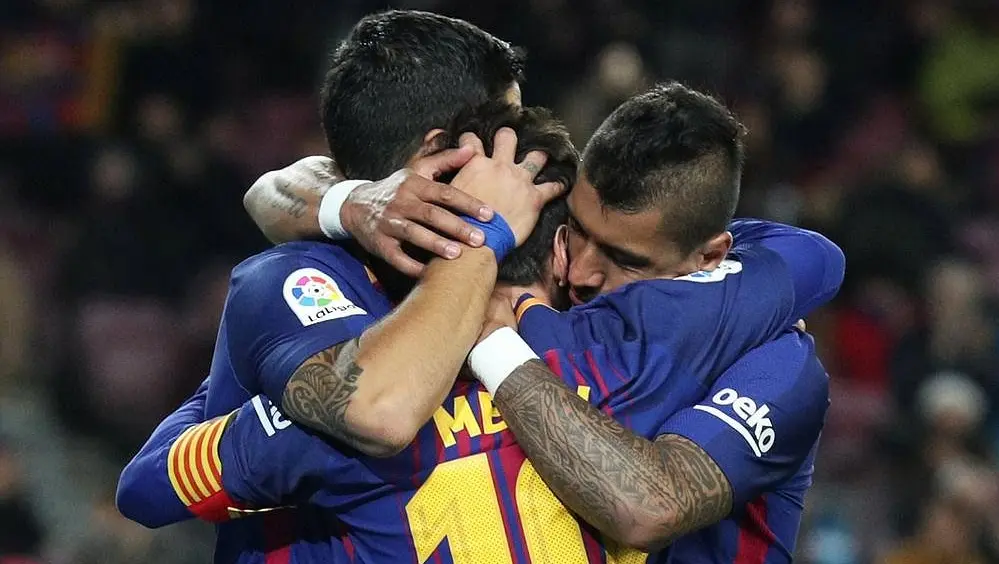
When the 104th and final match of the expanded North American tournament kicks off at the MetLife Stadium in East Rutherford, New Jersey—referred to bureaucratically during the competition as the New York New Jersey Stadium—it will mark the first time a World Cup final pits the reigning world champion against the current European champion. Spain secured their ticket with a clinical 2:0 victory over France in Arlington, driven by Mikel Oyarzabal’s penalty and Pedro Porro’s strike, backed by a defensive unit that has conceded just a single goal all tournament. Argentina booked their place by overcoming Thomas Tuchel's England 2:1 in Atlanta, a fixture that prompted the German coach to openly contemplate deploying a traditional man-marking scheme against a 39-year-old Lionel Messi.
Yet the sporting narrative is competing fiercely with an unprecedented commercial and logistical spectacle. The most contentious talking point revolves around the halftime interval. Breaking traditional IFAB regulations—which strictly mandate a maximum 15-minute break to protect player health and prevent physiological cooling—the FIFA and CONMEBOL apparatus has stretched the intermission to approximately 25 or even 30 minutes. The delay accommodates an elaborate, Super Bowl-style production co-produced with Global Citizen. Following a six-minute setup window after the whistle, an 11-minute musical showcase will feature pop icons Madonna, Shakira, and Justin Bieber, alongside BTS, Burna Boy, Gustavo Dudamel, Coldplay, and a New York children's choir.
While sports scientists and coaches have long warned that extended inactivity increases injury susceptibility—echoing concerns raised by Colombian coach Néstor Lorenzo during a similar 25-minute delay at the 2024 Copa América final—FIFA President Gianni Infantino has pushed forward unabated. The entertainment footprint extends well beyond the locker rooms. A pre-match closing ceremony starting at 19.30 local time will feature Robbie Williams, Tom Cruise, Laura Pausini, Nicole Scherzinger, and Jennifer Hudson performing the US national anthem, flanked by appearances from figures like YouTuber IShowSpeed.
The financial barrier to entry has matched the scale of the production. While original ticket prices spanned four categories from $800 to $11,000, secondary markets and FIFA platforms have sent costs skyrocketing. Available seats have lingered on official channels with prices ranging from roughly 5,950 Swiss francs up to over 26,000 francs, with resale listings hitting extreme highs and prompting remarks even from political figures regarding the sheer expense.
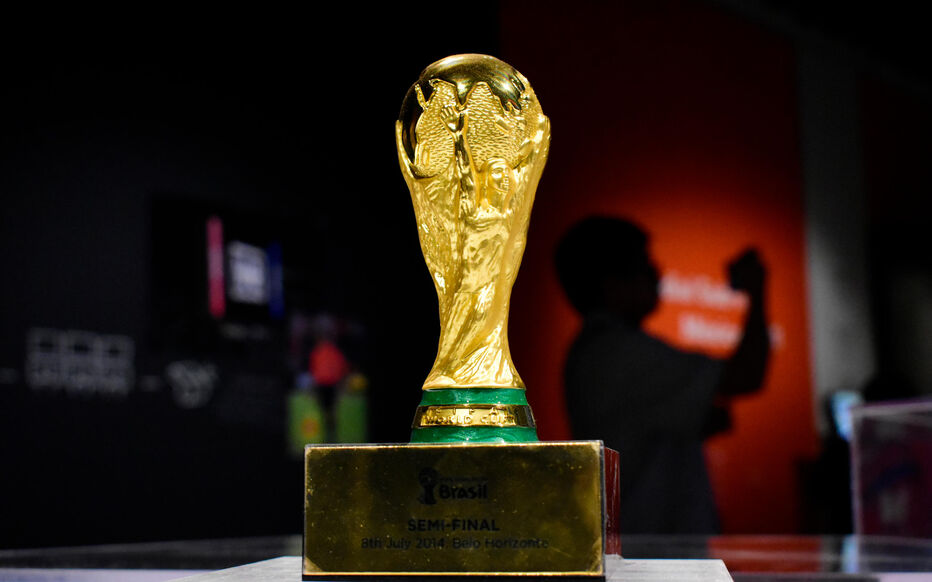
Geopolitics and institutional friction loom just as large around the New Jersey venue. US President Donald Trump confirmed via the White House that he will attend the final in person to witness the clash between Spain and Argentina. Trump is expected to join FIFA President Gianni Infantino on the podium to hand over the 6.175-kilogram, 18-karat gold trophy valued at roughly $713,000, reprising a joint appearance style seen at the 2025 Club World Cup final. The visit follows sharp external scrutiny; human rights organizations such as FairSquare recently filed a formal complaint to the International Olympic Committee alleging that Infantino violated rules on political neutrality by offering support to the US administration, pointing to controversies such as the overturned red-card suspension of US forward Folarin Balogun. Concurrently, human rights groups like Human Rights Watch have urged FIFA to hold a moment of silence ahead of the final following high-profile immigration enforcement incidents, while British officials have separately called for investigations into political messaging displayed by the Argentine delegation.
On the pitch, the historical head-to-head ledger remains remarkably balanced. Across 14 prior encounters, both nations claim six victories apiece alongside two draws, with Spain holding a narrow 19-to-18 edge in total goals scored. Their only previous World Cup meeting dates back to 1966, when Argentina edged a group-stage fixture 2:1. A planned March meeting in Qatar via the intercontinental Finalissima was canceled due to regional conflict, leaving Sunday's showdown as the definitive settling of accounts.
As broadcasters across Europe ready their coverage—from ZDF and MagentaTV in Germany to SRF in Switzerland and ORF in Austria—the sporting world waits to see whether Luis de la Fuente’s Spanish control machine or Argentina's battle-tested resilience will claim the ultimate prize under the intense glare of a New Jersey summer evening.
Sources
These sources formed the evidence pack for this article. Links open the original publisher; inclusion does not imply endorsement.
- Marc Renner original
- Petar Djordjevic original
- berlinerabendpost.de original
- web.de original
- sportschau.de original
- red, ORF.at/ Agenturen original
- sport.de original