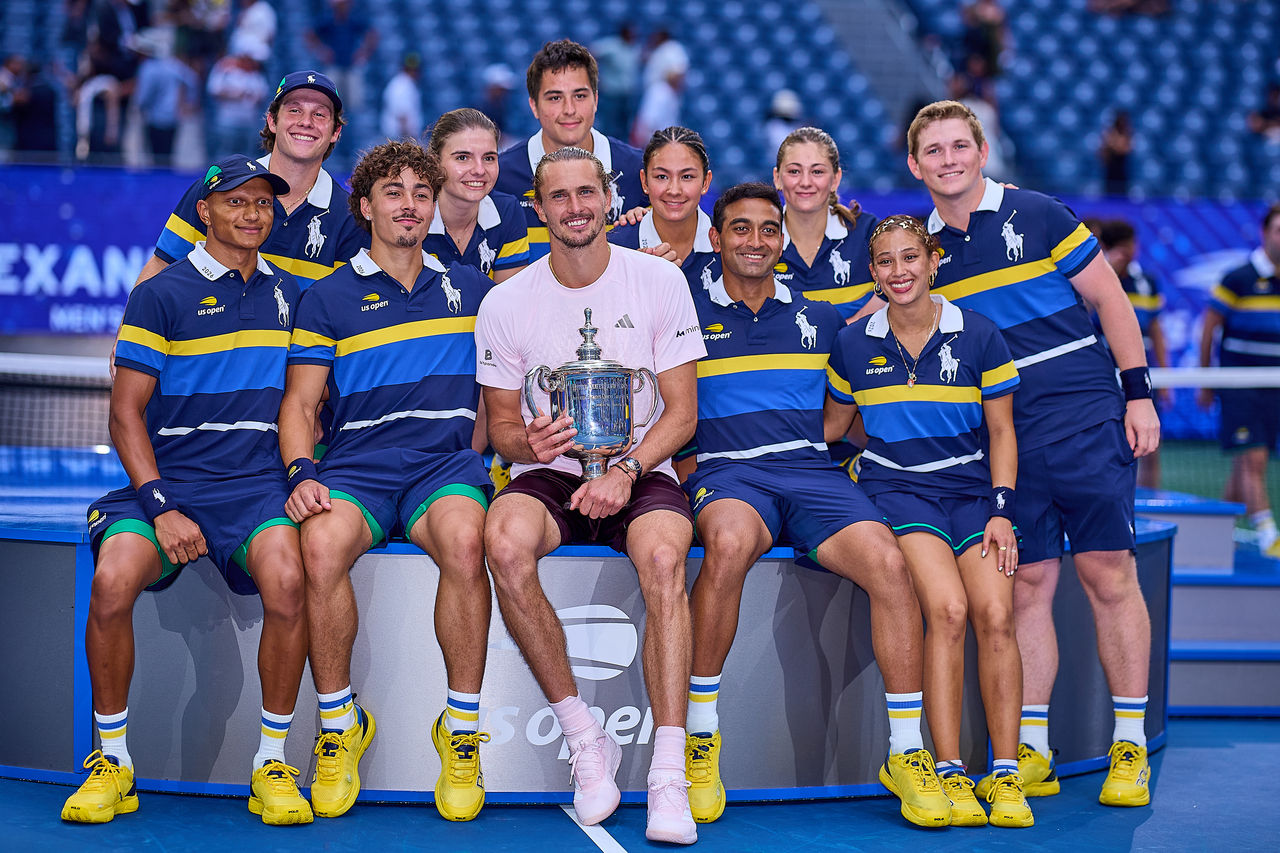
In the modern tennis ecosystem, packed stadiums are usually reserved for returning Grand Slam champions or home-country icons. Yet across major hard-court stops from Toronto to Dubai, a different kind of acoustic footprint has begun to define tour matches. When Alexandra Eala steps onto the court, the atmosphere shifts immediately: roars carry across the grounds, sections wave vibrant Filipino flags, and tournament directors face an entirely new scale of operational demand.
That magnetic pull was quantified most starkly during Eala’s debut appearance at the National Bank Open in Toronto, where tournament director Karl Hale noted that every single one of her matches sold out. It was just unprecedented,
Hale said of the turnout, highlighting the player's fierce loyalty among her supporters. That surge in demand is not an isolated anomaly. Since her breakthrough run to the Miami Open semifinals, the Rafael Nadal Academy alumna has consistently generated standing-room-only crowds, bringing a fresh, highly energized demographic into tour venues worldwide.
Elite opponents have taken notice of this seismic shift in spectator energy. During the Dubai Duty Free Tennis Championships, Coco Gauff found herself on the wrong side of a heavily pro-Eala crowd in the quarterfinals. Rather than fighting the wall of noise, Gauff employed a psychological pivot reminiscent of Novak Djokovic's historical battles against fan favorites. Whenever you guys were cheering for Alex, I was pretending it was my name. I think that it helped me a lot!
Gauff said on court after her straight-sets victory, praising her opponent's broader influence on the sport. I’d like to thank Alex for bringing a new demographic to the sport. I really appreciate it.

Eala's ascent extends far beyond enthusiastic audience numbers; it is backed by concrete milestones on the court. Her tactical progression reached a new crest when she captured her first WTA singles title—a championship run highlighted by victories over top-three seeds, a defending champion, and an Olympic gold medalist. That performance propelled her into the top 20 of the PIF WTA Rankings, making her the first player from the Philippines to achieve the milestone.
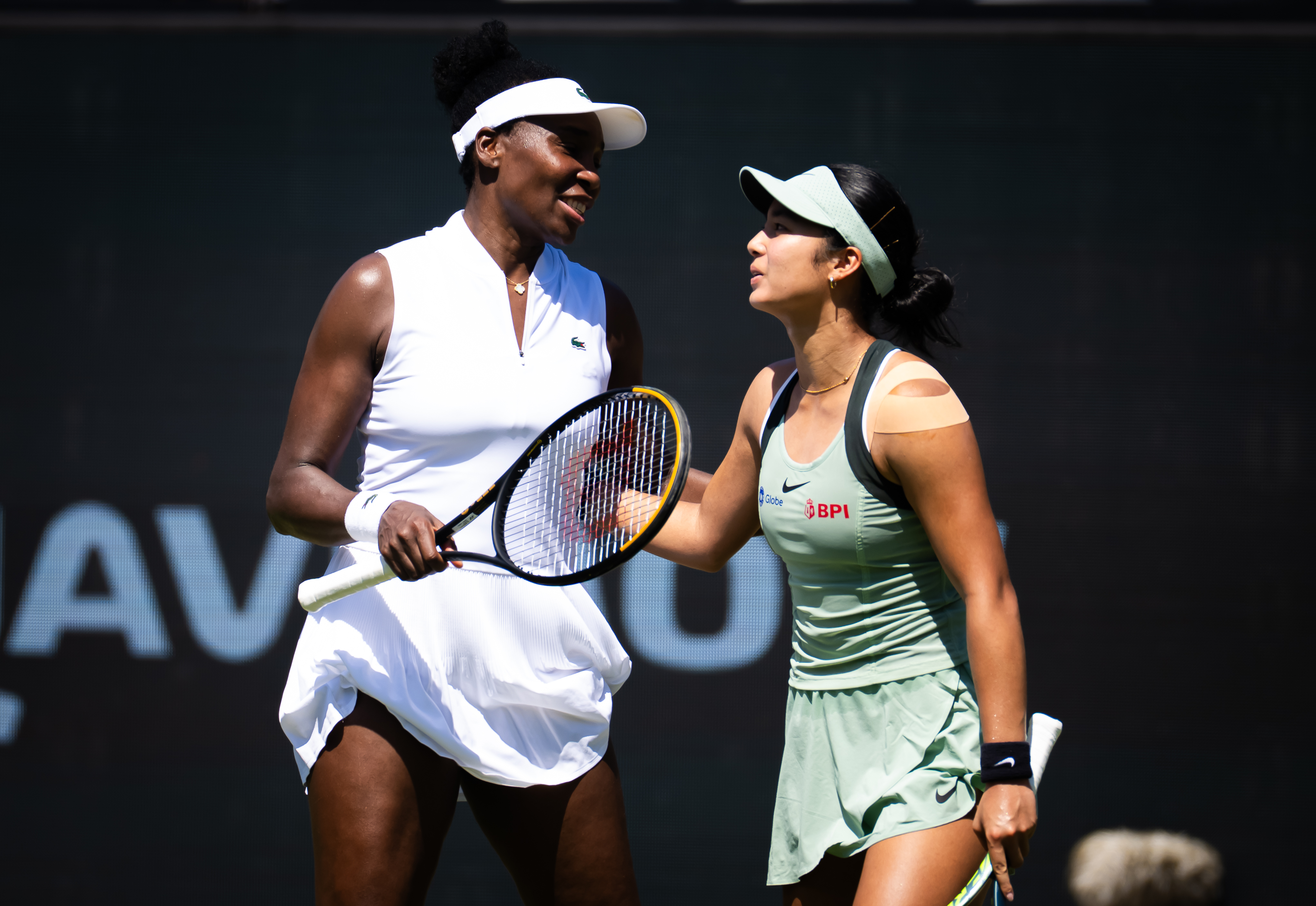
Her status on tour has also earned the respect of legends. Eala and seven-time Grand Slam singles champion Venus Williams teamed up for doubles action under the lights at Sobeys Stadium in Toronto, receiving a coveted wild card. The partnership underscores a mutual admiration between eras; while Williams praised their on-court chemistry, Eala previously showed tactical maturity by temporarily stepping away from a planned doubles pairing in Washington to prioritize her physical and mental reserves solely for singles—a decision that immediately bore fruit with her historic title run.
Navigating Tour Realities and Escalating Stakes
For opponents, facing Eala means preparing for a unique tactical and psychological challenge. The sheer volume of the crowds she commands can alter the rhythm of a match, forcing top-tier players to adapt their internal focus. Yet as Gauff demonstrated in Dubai, navigating the energy of a hostile or partisan arena is becoming an essential skill for anyone looking to make deep runs at WTA 1000 events.
As Eala continues to cement her place among the tour's established contenders, the broader implications for tennis are clear. Tournaments are discovering untapped markets and fresh fanbases willing to travel and fill arenas from the opening round onward. Whether she is trading baseline power against top-20 mainstays or sharing a doubles court with Venus Williams, Eala's presence signals a changing of the guard in how tennis engages its global audience.
Sources
These sources formed the evidence pack for this article. Links open the original publisher; inclusion does not imply endorsement.
- tsn.ca original
- ctvnews.ca original
- tennis.com original
- wtatennis.com original