The National Football League is currently engaged in a dual-track identity crisis. On one front, it is a soaring, borderless empire, aggressively scaling its brand to conquer new territories like France. On the other, it is a multi-billion dollar entity struggling to master the most basic requirement of modern sports: a functional digital delivery system.
The Global Frontier: Paris and the Expansionist Vision
The league's expansionist agenda, driven by Commissioner Roger Goodell, is no longer a tentative foray into foreign markets; it is a full-scale occupation of the global sporting calendar. To date, the NFL has already dispatched 62 regular-season games outside the United States, hitting major hubs from London and Berlin to São Paulo and Mexico City.
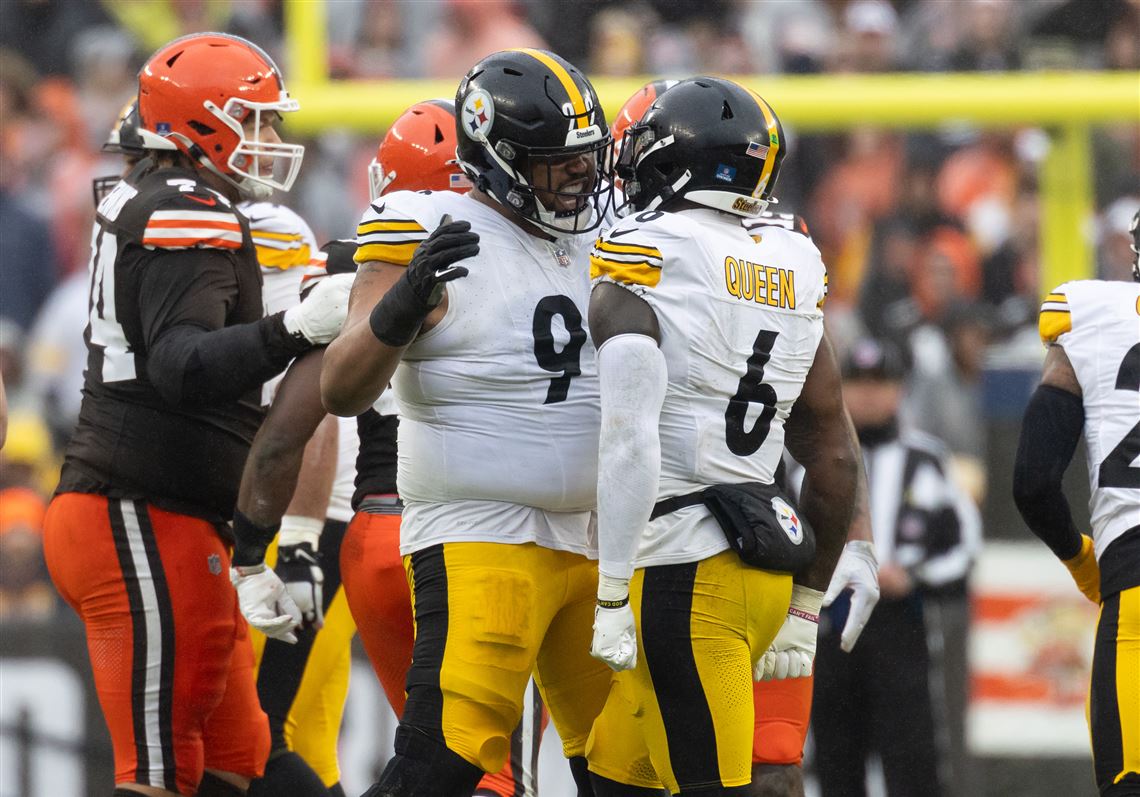
The next major milestone is set for October 25, 2026. On that Sunday, the Stade de France will host the first-ever regular-season NFL game in France, pitting the Pittsburgh Steelers against the New Orleans Saints. This isn't merely a game; it is a calculated move to tap into a French fanbase that already exceeds 14 million people. With the rise of flag football—set to debut as an Olympic sport at LA28—the NFL is building a pipeline that connects European grassroots participation to the professional spectacle of the American game.
The Digital Chasm: When Streaming Fails the Fan
While the NFL looks toward the bright lights of the Stade de France, its domestic digital experience is increasingly defined by friction. The league has positioned the NFL app and NFL+ as the essential "central hubs" for the modern fan, promising everything from real-time drive charts to ad-free highlights and All-22 coaches' films. However, for a significant portion of the paying audience, the reality is a far cry from the polished, "Netflix-style" experience promised.
The dissonance is jarring. While the league markets the premium features of NFL+ Premium—including NFL RedZone and advanced player performance stats—users report a recurring cycle of technical failures that undermine the very value of their subscriptions. The reported issues include:
- The Subscription Loop: Paid subscribers frequently report being met with prompts to re-subscribe to monthly or annual plans, even after successful payments.
- The Authentication Barrier: A persistent failure in the "restore purchases" function leaves fans trapped in a loop, unable to access the content they have already purchased.
- The Streaming Breakdown: Users have reported that updates have effectively "ruined" WiFi streaming capabilities on mobile devices and Roku TVs, leaving them unable to watch live content despite having authenticated provider credentials.
- The Fast-Forward Fiasco: In a baffling technical glitch, attempts to fast-forward through commercials on devices like Fire Stick can result in the playback skipping instantly to the fourth quarter, making it impossible to watch a game in its entirety.
Perhaps most damaging to the fan experience is the lack of a safety net. In an era where consumers expect immediate resolution, the NFL's response to these high-stakes technical failures appears to be a reliance on chatbots, virtual phone agents, and submission forms. For a multi-billion dollar organization, the absence of live, human customer service to resolve access issues for premium subscribers represents a significant strategic oversight.
A Brand at Odds with Its Own Technology
The NFL is attempting to sell a high-tech, high-accessibility future, but it is currently being held back by the mechanics of its own delivery. The irony is palpable: the league is expanding its reach to millions of new fans in Paris, yet it is simultaneously alienating its core base by failing to provide a reliable way to watch the game on an iPhone or a smart TV.
The "spoiler" culture is another point of contention. Users have noted that the app’s habit of automatically playing highlights upon opening can inadvertently reveal game-winning touchdowns to fans who have waited hours to watch a full replay. It is a small detail that carries heavy weight in the context of sports consumption, where the tension of the live moment is the primary product.
As the league continues to push the boundaries of its global footprint, the success of that expansion may ultimately depend less on the prestige of the stadiums it chooses and more on whether it can fix the digital plumbing that connects the pitch to the fan.
Evidence-Led Forecast: The Paris Litmus Test
The Steelers vs. Saints matchup in Paris serves as a critical barometer for the NFL's global operational readiness. While the technical data does not currently allow for a tactical prediction of the game's outcome, the logistical pattern is clear: the NFL is betting heavily on the Stade de France's ability to act as a world-class anchor for the brand.
The Decisive Factor: The success of this international pivot will likely hinge on the seamless integration of local French infrastructure with the league's global broadcast standards. The strongest counter-case to this expansionist optimism is the ongoing digital instability; if the NFL cannot resolve the authentication and streaming glitches reported by domestic users, the rollout of digital-first viewing experiences for international markets could face significant reputational headwinds. A failure to stabilize the app's performance before the massive influx of global interest could turn a historic expansion into a high-profile technical embarrassment.
Sources
These sources formed the evidence pack for this article. Links open the original publisher; inclusion does not imply endorsement.
- apps.apple.com original
- stadefrance.com original
- linkedin.com original
- nfl.com original