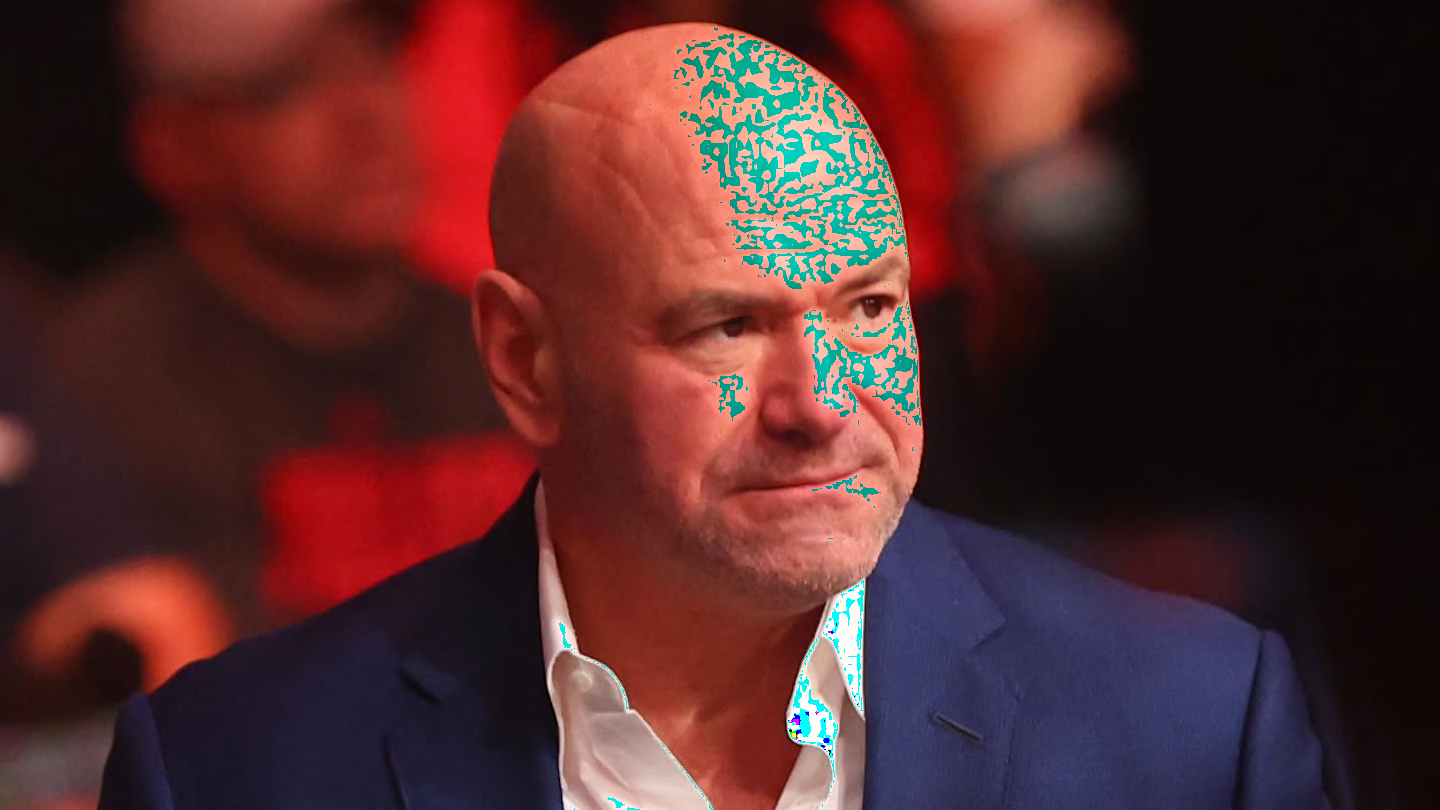
When Dana White took the wheel of the UFC, he didn't just build a promotion; he built a global phenomenon that transitioned from a $2 million deficit to a $7 billion windfall. Now, as he steers the TKO Group Holdings machine toward the squared circle via Zuffa Boxing, the objective is clear: replicate that dominance. But the transition from the octagon to the ring isn't a simple matter of changing gloves—it is a high-stakes exercise in brand identity and the pursuit of legitimacy.
The Conor Benn Signal
The recent signing of Conor Benn serves as the clearest indicator of Zuffa Boxing’s tactical intent. This is not a promotion built on the back of YouTuber-driven spectacle or the "dummies' money" White has publicly mocked. Benn is a blue-chip asset: a 24-1 professional with 14 knockouts, coming off a unanimous decision victory over Regis Prograis at Tottenham Hotspur Stadium in April.
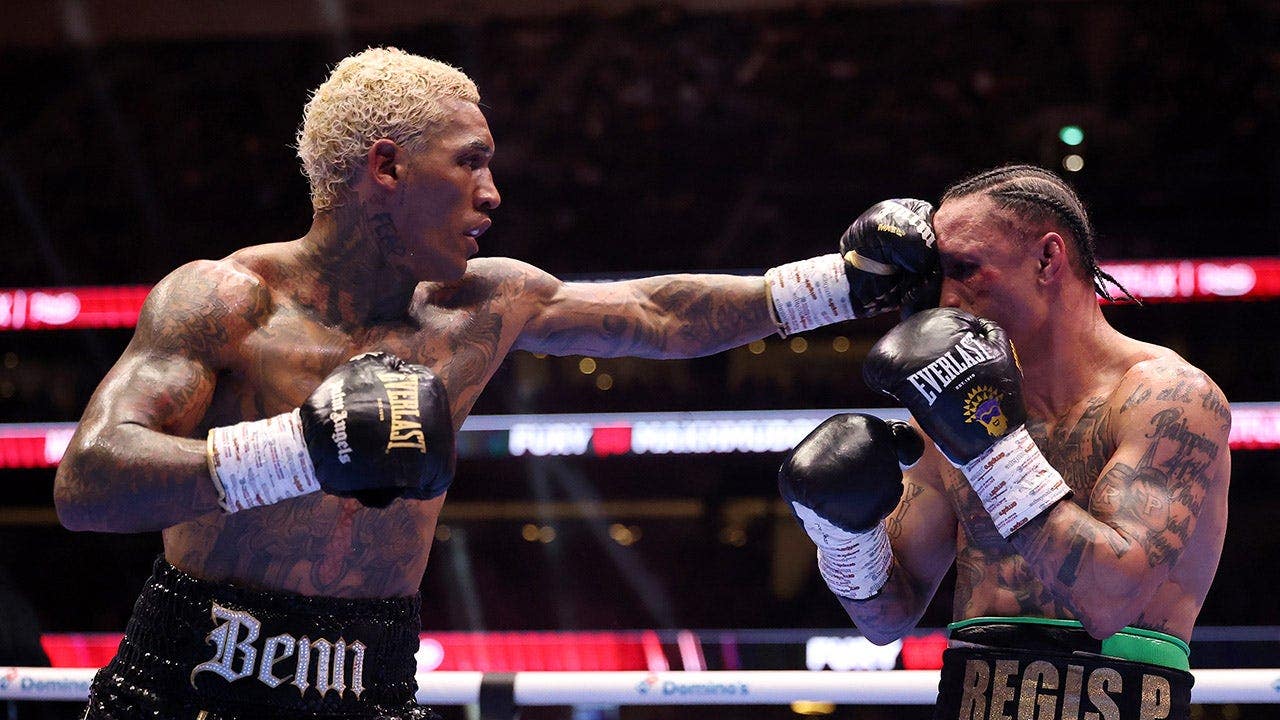
Benn’s decision to join the fold was explicitly linked to the TKO blueprint. Speaking on the influence of White and WWE’s Nick Khan, Benn noted, "When you look at what he’s done with UFC and what Nick Khan has done with WWE, it’s absolutely phenomenal." By targeting fighters like Benn—athletes who bring established professional standing and a desire for "the biggest fight"—Zuffa Boxing is signaling that it intends to compete with the likes of Matchroom or Top Rank, rather than merely entertaining the fringes of combat sports.
The Crossover Conflict
However, a structural tension is emerging that could threaten this pursuit of prestige. For White to have success, Zuffa Boxing must be taken seriously by the boxing establishment. This necessitates a firm line against the very thing that makes the UFC so profitable: the crossover event.
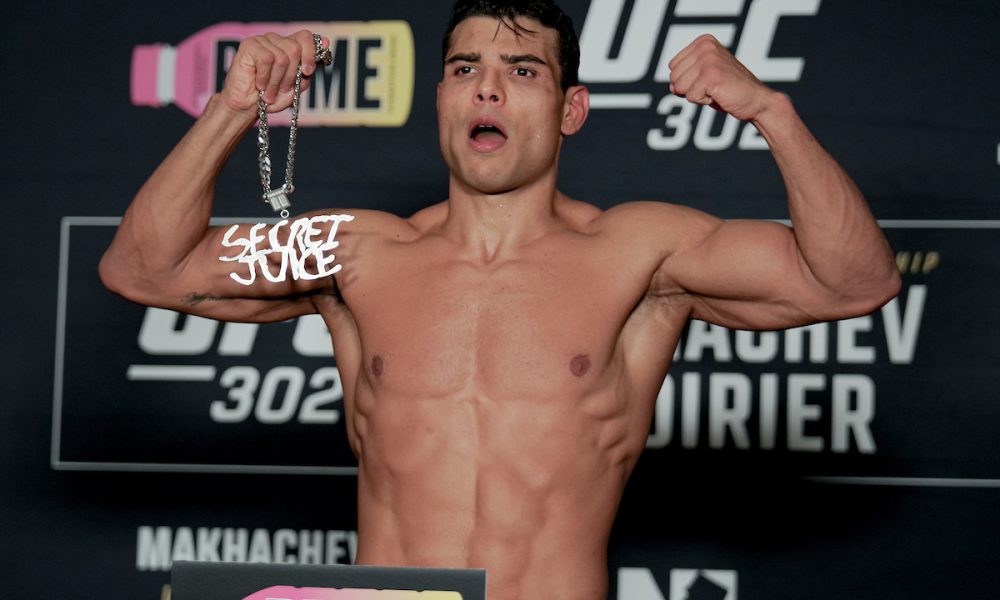
The dilemma was personified by retired UFC standout Dustin Poirier. Despite his retirement following a trilogy bout with Max Holloway at UFC 318, Poirier remains under contract with the UFC and expressed a desire to fulfill a long-held goal of boxing. More specifically, Poirier pitched a high-profile matchup against Nate Diaz within the Zuffa Boxing framework. His pitch was simple, if blunt: "Me and Nate Diaz, Zuffa Boxing, let’s go... They don’t want any crossover. I think Zuffa wants to be taken seriously. They must hate money."
Poirier’s assessment hits the nail on the head. TKO’s resistance to such crossovers is a calculated defensive maneuver. As Poirier noted, if the door is opened for one MMA fighter, the entire roster will inevitably follow, creating what he describes as "a mess." To the boxing purists, the inclusion of MMA fighters is a dilution of the sport; to White, it is a choice between short-term crossover revenue and long-term institutional credibility.
Purity vs. The Global Scale
White’s philosophy is rooted in the distinction between "the product I sell" and the celebrity-driven exhibitions that have recently marred the boxing landscape. He was biting in his assessment of the Logan Paul vs. Floyd Mayweather exhibition, characterizing such events as something for people "stupid enough to spend that kind of money." He even went as far as to mock the potential for a Kim Kardashian vs. Amanda Nunes bout, calling it "huge" in terms of hype but ultimately far removed from the professional caliber of the UFC.
Yet, there is a paradox in White’s approach. While he dismisses the "dummies' money" of celebrity bouts, he is simultaneously hunting for the ultimate high-finance backers. Analysts note that White’s focus is shifting toward "bigger fish," specifically eyeing deals involving the US government and the massive capital flowing from Saudi Arabia via Turki Al Sheikh. He is attempting to play a dual game: maintaining a brand of professional athletic integrity while positioning himself to tap into the massive, volatile wealth of the global power brokers.
The success of Zuffa Boxing will likely depend on whether White can navigate this tightrope—securing the massive, non-traditional capital required for global scale without sacrificing the professional sheen that distinguishes his brand from the chaotic spectacle of celebrity combat sports.
Evidence-Led Forecast: The Legitimacy Tightrope
- Tactical Pattern: Expect Zuffa Boxing to continue a pattern of aggressive acquisition of high-ranking, non-MMA professional boxers. The focus will be on fighters with proven records (like Benn) to build a foundation of credibility before attempting to scale.
- Decisive Matchup: The internal conflict between the marketing department (craving the revenue of an MMA-boxing crossover) and the executive leadership (protecting the "serious" boxing brand) will be the defining struggle of the next 24 months.
- Strongest Counter-Case: If the initial push for pure professional boxing fails to generate the massive PPV numbers seen in the UFC, the financial pressure to allow high-profile MMA crossovers—like the Poirier-Diaz dream—may become an irresistible force that breaks the current strategy.
Sources
These sources formed the evidence pack for this article. Links open the original publisher; inclusion does not imply endorsement.
- mmamania.com original
- si.com original
- newsweek.com original
- foxnews.com original