In the highest echelons of professional sport, the difference between the top step of the podium and a devastating loss is no longer measured in minutes or even seconds. It is found in the fractional shifts of a brake balance, the aerodynamic drag of a single component, and the millisecond-latency of a data stream. While the fans watch the athletes, the true battle is being waged in the digital and physical laboratories where engineers are constructing the modern competitive edge.
The landscape of elite performance has undergone a fundamental shift. Historically, sporting innovation was a relatively straightforward pursuit of mechanical gains—faster engines, lighter chassis, and more efficient aerodynamics. Today, that remit has expanded into a complex web of digital engineering, human-machine interface (HMI) optimization, and advanced predictive simulation.
The Data Deluge: From Capture to Insight
For a team like Scuderia Ferrari, the challenge is no longer simply gathering information; it is the sheer, overwhelming volume of it. After every track session, engineers are tasked with dissecting millions of data points to understand exactly where a car excelled and where it faltered. This is not a task for traditional mechanical expertise alone.
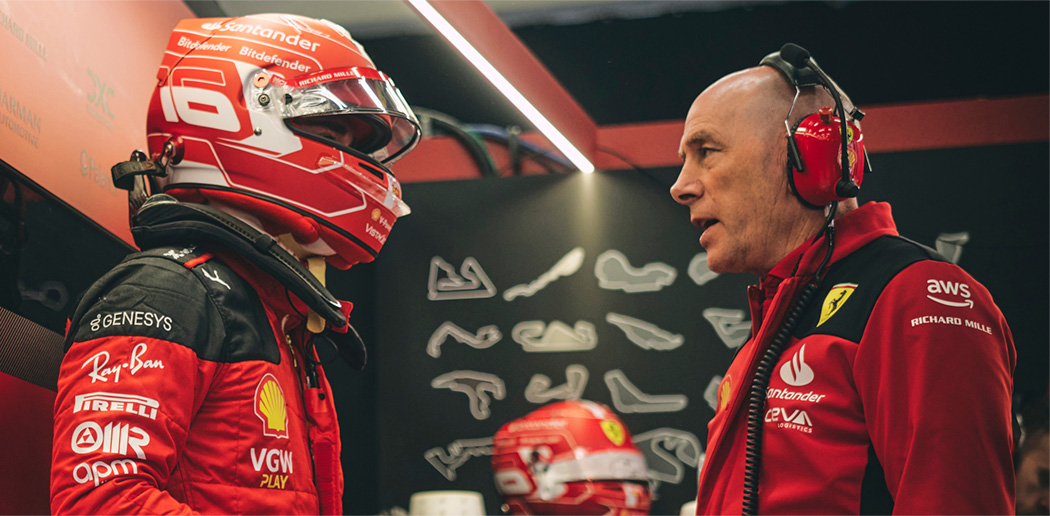
"We operate in a competitive environment where every innovation can give the team an edge on and off track," notes Jock Clear, a senior performance engineer and driver coach at Ferrari with over 30 years of experience and 500 Grand Prix races under his belt. Clear highlights that as regulations become stricter, the ability to innovate through data utilization becomes the primary differentiator.
This pursuit requires a specialized technological infrastructure. It is not enough to capture and house data; the infrastructure must be capable of processing and computing insights with absolute clarity and speed. In the high-pressure environment of a race weekend, where a decision to adjust a car's setup might need to be made in seconds, the reliability and speed of this information architecture are as essential as the engine itself. The goal is to transform a sea of raw numbers into concise, actionable intelligence that a driver can trust during a race.
The Cockpit as a Command Center
The interface between the human athlete and the engineered machine is perhaps the most critical frontier of modern performance. In Formula 1, the steering wheel is far more than a directional tool; it is a sophisticated command center. Each wheel is equipped with over 25 buttons and switches, allowing the driver to adjust car strategy, brake balance, and differential settings on the fly while navigating the extreme physical demands of a circuit.
Engineering this interface requires a deep integration of behavioral science and ergonomics. Because every driver possesses a unique preferred setup, the physical fit—from the seat position to the sensitivity of the pedals—must be meticulously tailored. This intersection of human physiology and technical control is what allows a driver to implement the rapid-fire advice coming from the pit wall without breaking their concentration or losing precious milliseconds.
The Role of Specialized Partnerships
Modern teams are increasingly moving away from the 'recreate the wheel' mentality. Instead, they are engaging in strategic partnerships with technology leaders to accelerate development. These collaborations allow racing teams to remain experts in motorsport while leveraging external expertise in fields like digital engineering and HMI. By allowing partners to innovate 'away from the track,' teams can maintain their current performance levels while simultaneously testing the next generation of technological solutions.
Simulation: The Safety and Performance Sandbox
The reach of engineering extends far beyond the confines of the racing paddock. Engineering simulation has become a standard tool across a vast array of sporting disciplines, providing a dual benefit of performance optimization and athlete safety.
Through advanced fluid flow simulation, engineers can dramatically reduce drag for cyclists or optimize the complex fluid-structure interactions that dictate performance in swimming and sailing. Furthermore, the rise of additive manufacturing allows for the creation of the lightest, most reliable equipment, engineered through rigorous digital testing before a single physical part is produced.
Crucially, simulation is also the frontline of athlete protection. As the risks of injury increase at the extremes of performance, engineers use multiphysics models to explore how to build safety and protection directly into equipment. In mixed martial arts (MMA), for example, tools like Ansys LS-DYNA enable physicians to determine the magnitude and location of brain strains, providing a scientific basis for diagnosing concussions and improving treatment protocols.
The Sustainability Mandate
As the sporting and automotive worlds converge, the engineering objective is expanding to include the planet. The next era of innovation is being shaped by the need for decarbonization and sustainable mobility. Organizations are now tasked with navigating complex 'decarbonization levers,' integrating climate technology into products, and scaling up new, sustainable production methods.
From developing hybrid electric propulsion systems in aviation to utilizing new analytics to recover waste heat in industrial settings, the engineering remit has evolved. The pursuit of the 'ultimate driving experience' is now inextricably linked to the pursuit of a net-zero future, requiring a blend of high-performance engineering and environmental stewardship.
The Engineering Trajectory: A Forecast
Based on current trends in data volume and simulation capabilities, the trajectory of sporting innovation suggests three decisive shifts:
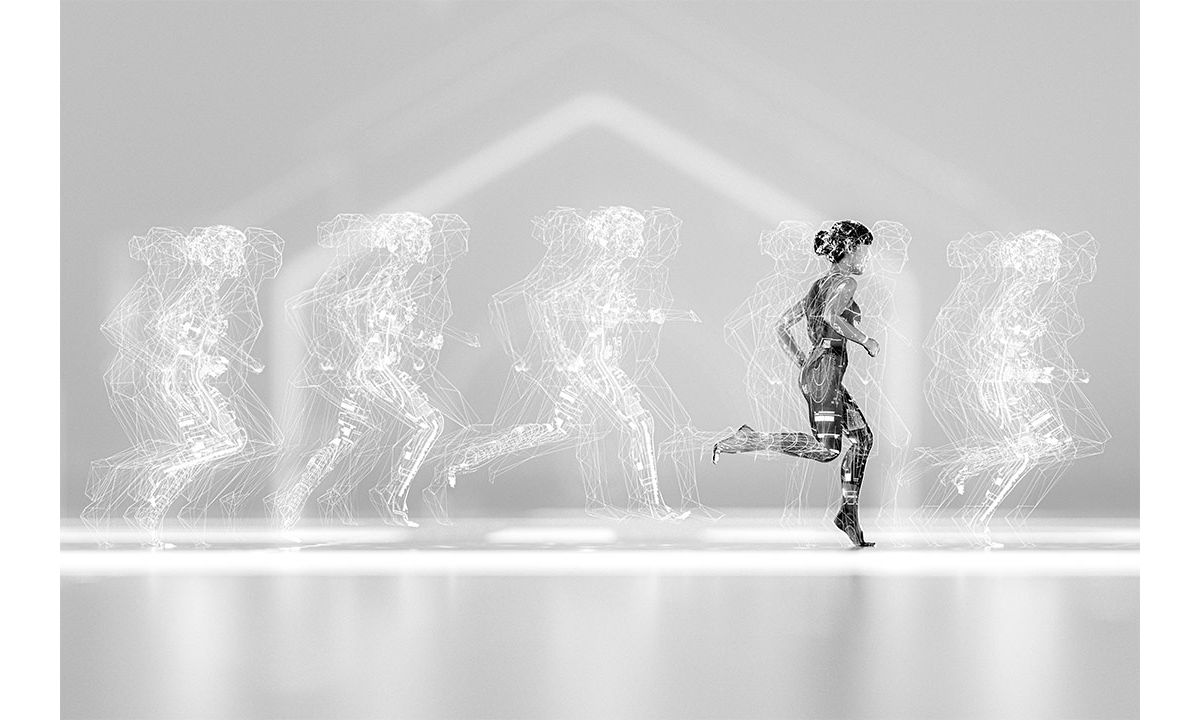
- The Rise of the Digital Twin: We can expect a move toward more pervasive use of interactive, digital twins—virtual replicas of both equipment and athletes—to test scenarios in a risk-free environment before they are ever attempted in reality.
- Cognitive Ergonomics as a Standard: As HMI technology evolves, the focus will shift from mere physical fit to cognitive load management, ensuring that the influx of data does not overwhelm the athlete's decision-making capacity.
- The Convergence of Safety and Speed: The strongest counter-case to the 'speed at all costs' mentality is the increasing reliance on simulation to prove that higher performance levels can be achieved safely, making safety engineering a primary driver of performance rather than a secondary constraint.
Ultimately, the winners of tomorrow are being designed today. The athlete provides the talent, but the engineer provides the framework through which that talent can reach its absolute limit.
Sources
These sources formed the evidence pack for this article. Links open the original publisher; inclusion does not imply endorsement.
- dxc.com original
- prospects.ac.uk original
- capgemini.com original
- ansys.com original