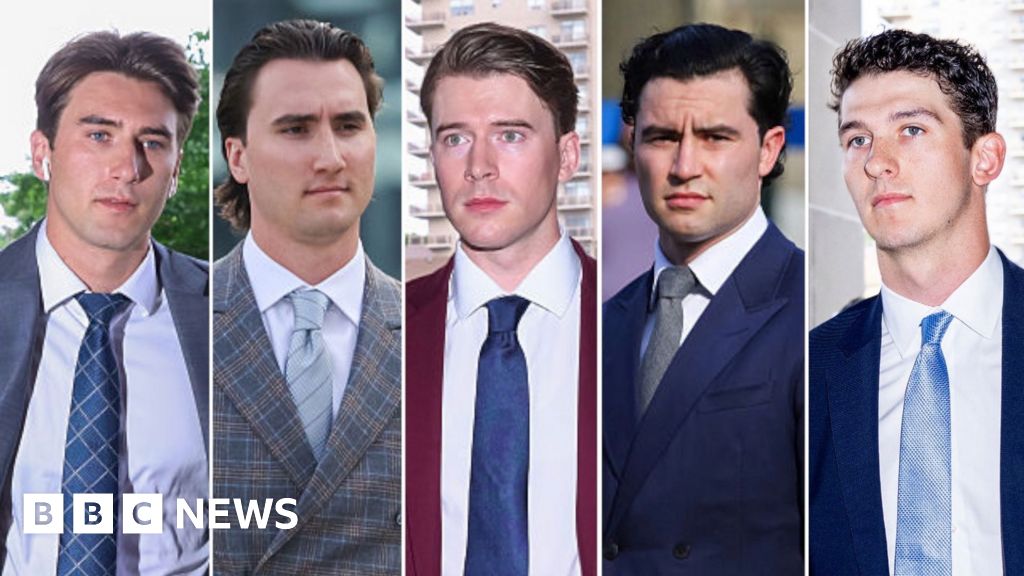
The courtroom doors in London, Ontario, closed on an eight-week chapter of intense legal scrutiny on Thursday, but the professional and institutional fallout for the central figures involved is far from resolved. Justice Maria Carroccia delivered a not-guilty verdict for five former players from Canada's world junior hockey team who had been accused of sexually assaulting a woman, known in court documents as EM, in a hotel room during a 2018 Hockey Canada gala. Yet, while the criminal threshold of proof went unmet, the administrative walls erected by sport governing bodies have proven far more rigid.
An independent appeal board issued a decision upholding active suspensions for four of the former junior players, preserving a state of professional purgatory even after the judicial clearance. The disciplinary framework operating parallel to the courts functions under entirely different bylaws, standards, and timelines, meaning that legal acquittal does not automatically translate to reinstatement on the ice.
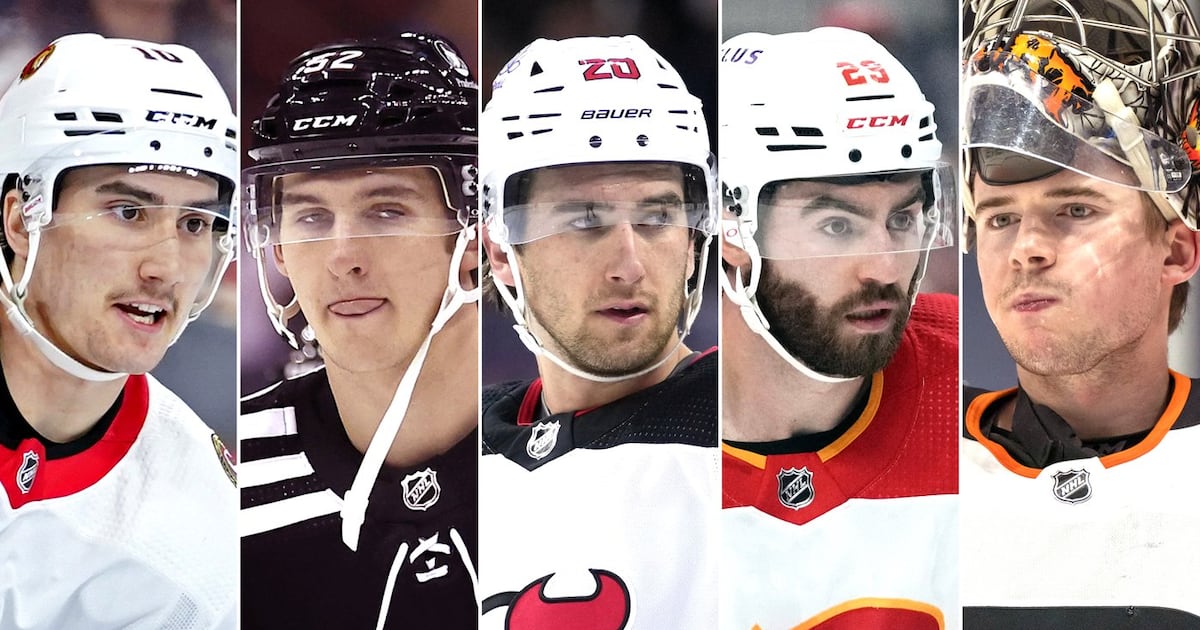
The bifurcation between judicial findings and sporting governance is sharply highlighted by the stance of the National Hockey League. In a statement released following the verdict, the league noted that the players remain "ineligible" to play pending a review of the judge's findings. Michael McLeod, Dillon Dube, Cal Foote, Alex Formenton, and Carter Hart were all active within the professional ranks when the allegations surfaced, with several plying their trade in the NHL and one playing in Europe.
The underlying trial exposed a sharp divergence in how the evening's events were interpreted by the bench versus the prosecution. Justice Carroccia stated during her multi-hour review that she did not find the complainant's evidence "credible or reliable" and concluded that "the Crown cannot meet its onus on any of the counts." Pointing to irregularities in testimony regarding drink purchases and an "uncertain memory" that clashed with trial evidence, the judge also noted that two videos shown during the proceedings—captured without the complainant's knowledge—depicting her speaking normally and smiling undercut the argument that she remained in the room out of fear.
Conversely, the Crown argued vigorously throughout the proceedings that intoxication does not equate to unreliability, maintaining that the complainant lacked a motive to fabricate and that text messages among the players demonstrated an attempt at "getting their story straight." Defense counsel successfully countered that the complainant was a willing participant who later experienced regret, relying on eyewitness testimony from two uncharged players in the room who testified that she was vocal about her sexual preferences.
While defense attorney David Humphrey noted for his client, Michael McLeod, that the public perception had long been shaped by a "one-sided narrative" and that career damage had been significant, the legal closure has not dismantled the internal disciplinary mandates. Karen Bellehumeur, representing the complainant, voiced deep disappointment with the assessment of her client's credibility, emphasizing the heavy psychological toll of coming forward.
As the independent appeal board locks the suspensions in place, the governing bodies continue their internal reviews. The final word from judicial authorities has brought an end to the criminal jeopardy, but the administrative parameters governing elite hockey participation operate under a separate code entirely—one where an acquittal marks only the beginning of a complex institutional reckoning.
Sources
These sources formed the evidence pack for this article. Links open the original publisher; inclusion does not imply endorsement.
- chapmanlawgroup.com original
- bbc.com original
- ctvnews.ca original
- nhl.com original


