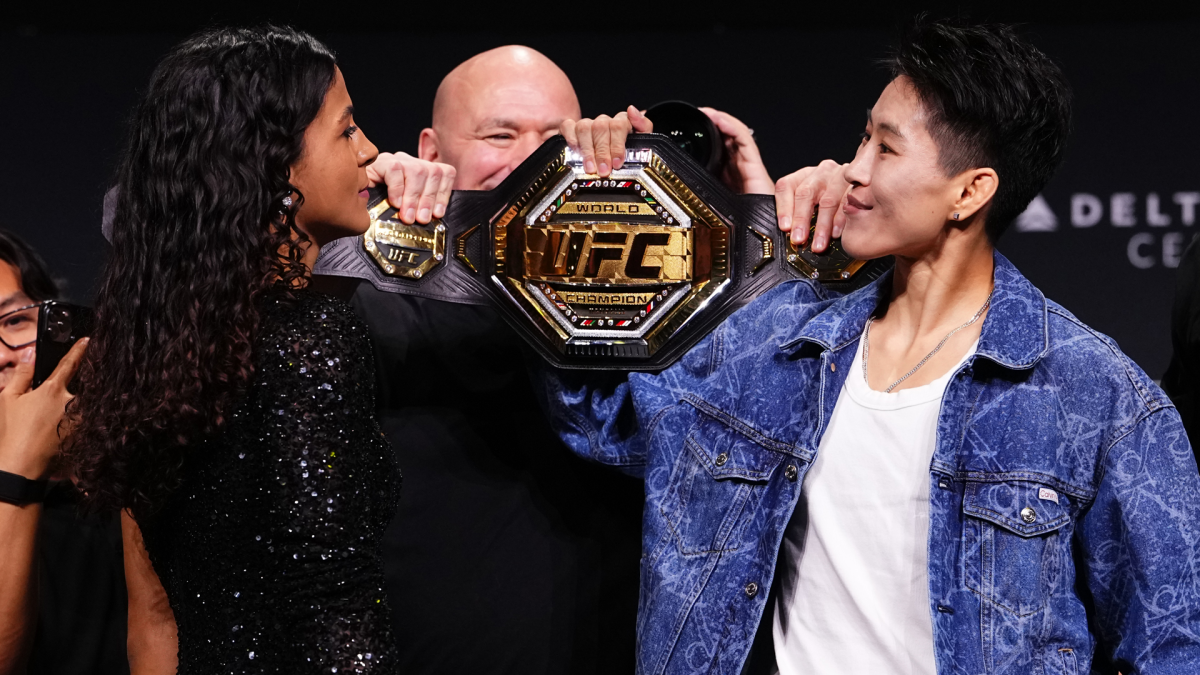
The era of the casual combat sports viewer is fading. In its place, a new archetype has emerged: the highly invested spectator. As sports betting legalization has spread across the United States, it has acted as a potent accelerant for engagement. Research indicates that viewership for MMA and boxing is up to 40% higher in states with legal sportsbooks than in those without, suggesting that the presence of a regulated market creates a more dedicated, long-term viewership base.
This surge in engagement is driving a profound structural reconfiguration of combat sports. The boundaries between promotion, broadcast, and gambling are blurring, creating a high-stakes ecosystem where massive capital and betting infrastructure dictate the terms of the sport. Data reinforces this behavioral shift: while only 41% of non-bettors report watching sports regularly, that figure climbs to 88% among those who participate in sports betting. For these individuals, a fight is no longer just a contest; it is a personal investment.

The Integrity Conundrum
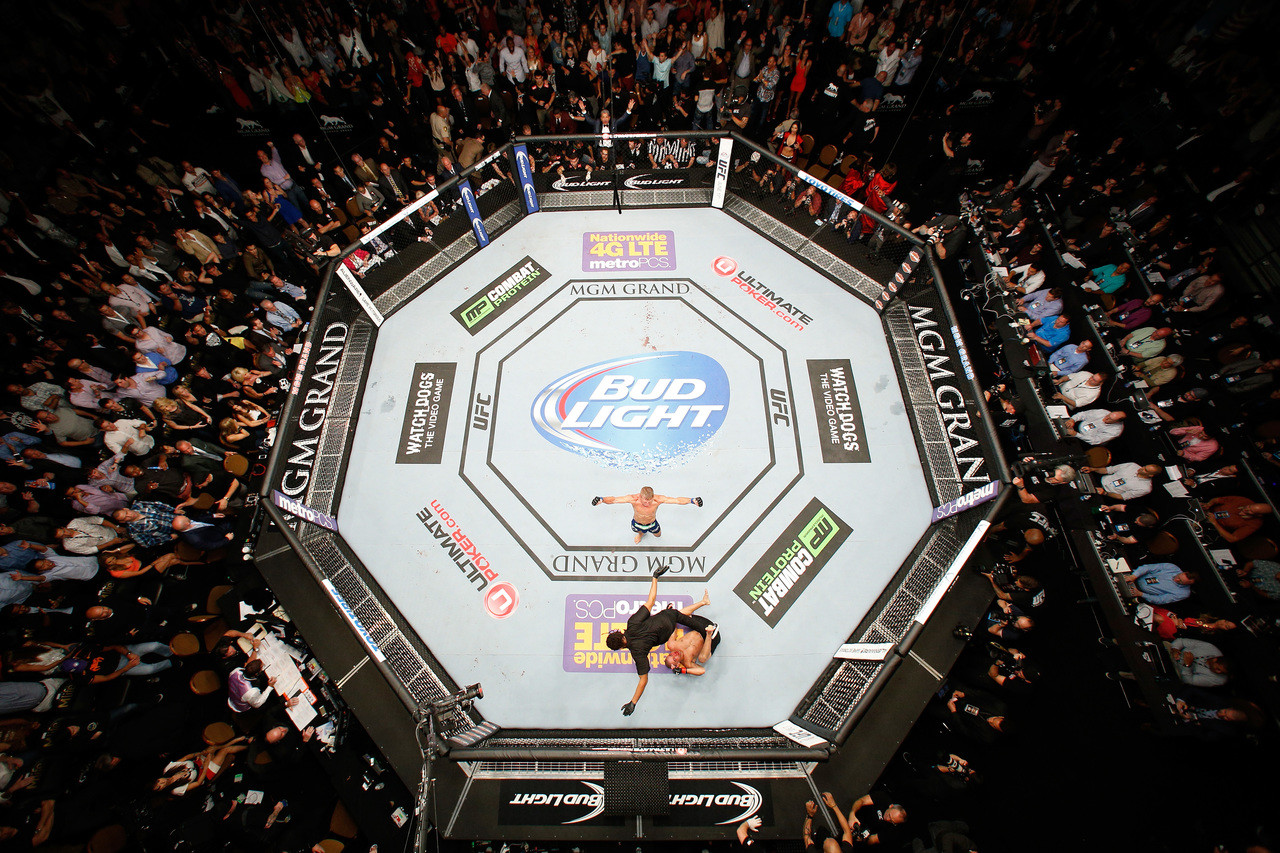
The movement toward deep, exclusive integration brings significant tension regarding the integrity of the sport. The UFC’s recent five-year exclusive partnership with bet365, which replaced DraftKings, serves as the most prominent example of this transition. The agreement facilitates deep integration, including branding inside the Octagon, live fighter odds, and same-game parlay features embedded directly into broadcasts.
From an analytical perspective, this exclusivity may alter the landscape of integrity monitoring. In a fragmented market where multiple operators like Caesars, FanDuel, and William Hill compete, suspicious late-line movement is often legible through cross-market comparison. When one book shifts sharply on an underdog, others provide a necessary check. An exclusive partnership concentrates data with a single provider, potentially obscuring signals that monitoring firms rely on to detect manipulation. This arrangement is particularly sensitive given that the UFC’s deal was finalized while the FBI was investigating a bout for potential manipulation. Furthermore, the commercial environment is complex; UFC analyst Laura Sanko serves as a personal endorser for bet365. While such relationships are common in sports broadcasting, they require transparent handling to ensure they do not imply a conflict of interest with the promotional or integrity-monitoring arms of the organization.
A System Defined by Vulnerability
Combat sports currently lack the collective structural safeguards common in other major professional leagues. Unlike the NFL or NBA, which operate with robust player unions, collective bargaining agreements, and independent integrity offices, UFC athletes are generally classified as independent contractors. This economic reality creates a specific vulnerability: undercard fighters often struggle to earn a sustainable living after covering training and management expenses. In this context, the integration of betting into the fabric of every broadcast creates a system where the financial incentives of the promoter may diverge from the economic stability and protection of the participants.
The Rise of Decentralized Markets
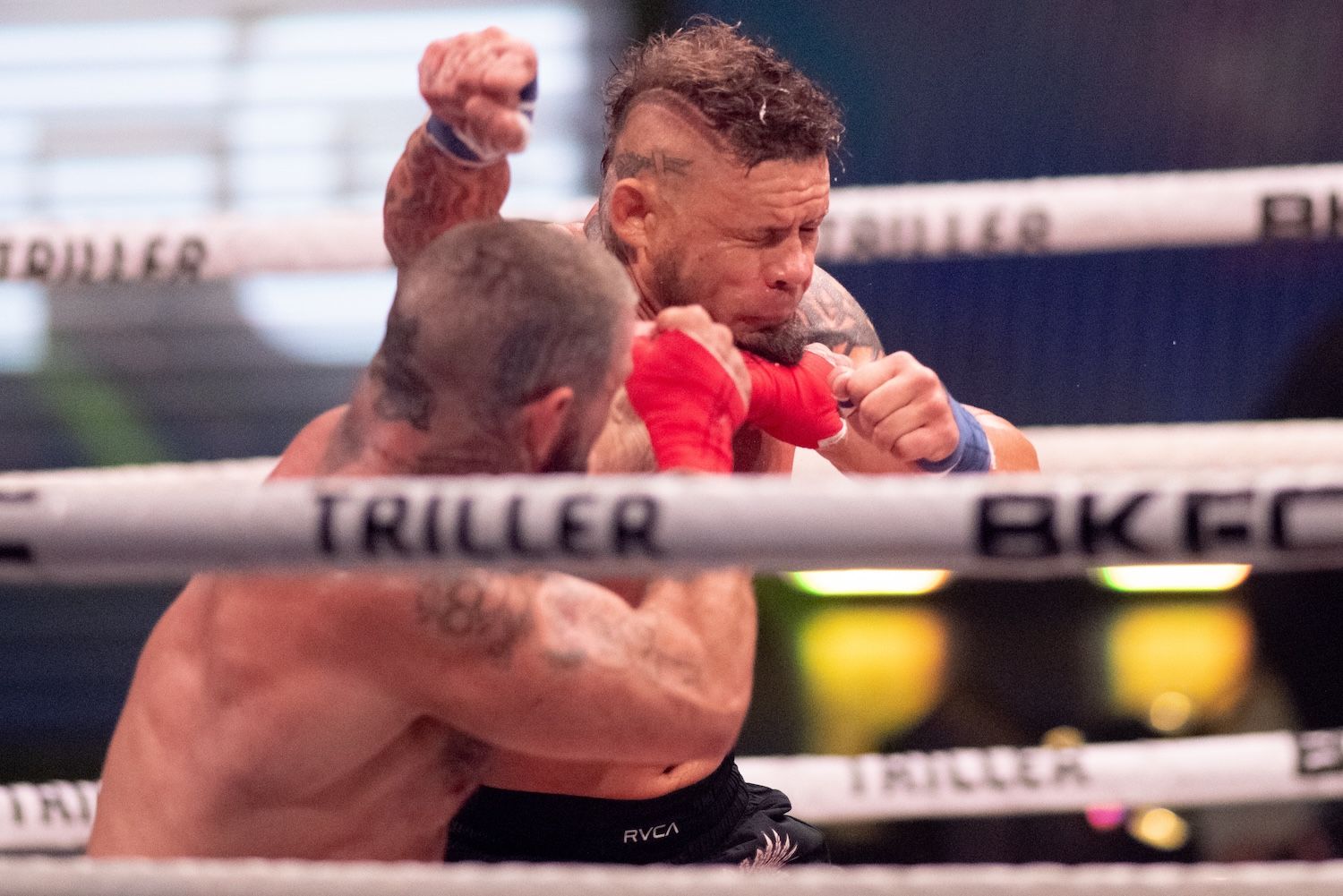
Beyond traditional sportsbooks, crypto-linked prediction markets like Polymarket and Kalshi are reshaping betting volumes. These venues collectively grew from under $5 billion in volume in September 2025 to approximately $24 billion by April 2026. Unlike traditional betting houses, these platforms utilize crowd-sourced pricing and operate under distinct regulatory frameworks. The upcoming welterweight title fight between Ryan Garcia and Conor Benn on September 12 is expected to serve as a significant testing ground for these platforms, as they target the high-volatility nature of professional boxing to attract a global trading audience.
The New Promotional Hegemony
This convergence of betting, digital capital, and streaming distribution is facilitating a swift territorial shift in boxing. The rise of Zuffa Boxing, backed by the capital of Sela and TKO, has effectively outmaneuvered established British promotional giants like Matchroom and Queensberry. By securing high-profile talent and utilizing massive distribution through Netflix and Paramount+, the new guard is seizing control of the sport’s most valuable assets. Traditional promoters, once defined by their ability to navigate fighter rivalries and venue bookings, now find themselves competing against a model with near-unlimited capital and global, vertically integrated distribution. The sport is evolving into a capital-intensive machine where the action in the ring is increasingly tethered to the broader, sophisticated mechanics of global markets.
Sources
These sources formed the evidence pack for this article. Links open the original publisher; inclusion does not imply endorsement.
- chuckie burnette original
- Staff original
- boxingscene.com original
- Combat Press original
- yellow.com original