Related coverage
In the mathematics of global sport, there is a persistent, frustrating error. If you look at the raw data, the world’s most populous nations should be the most dominant in the world’s most popular game. Yet, as the 2026 World Cup cycle demonstrates, China and India remain notable absentees.
China has managed only a single men’s FIFA World Cup appearance, in 2002. India has never qualified. When compared to nations like Croatia—which has occupied the second and third steps of the podium in recent World Cups—or Cape Verde, an archipelago of just 500,000 people that has rivaled the elite, the failure of these two giants is not just a statistical anomaly; it is a profound structural mystery. It proves that in football, institutions, infrastructure, and culture carry far more weight than the sheer number of inhabitants or GDP.
The Fallacy of the Top-Down Model
China has attempted to solve this problem through sheer economic force and centralized planning. Following a 2015 initiative aimed at making the country a football superpower by 2050, Beijing invested billions into pitches, training centers, and academies. The goal was ambitious: 50 million people playing the game and tens of thousands of stadiums.
However, this state-led approach, while successful in individual sports like gymnastics or diving, may be fundamentally ill-suited to the beautiful game.
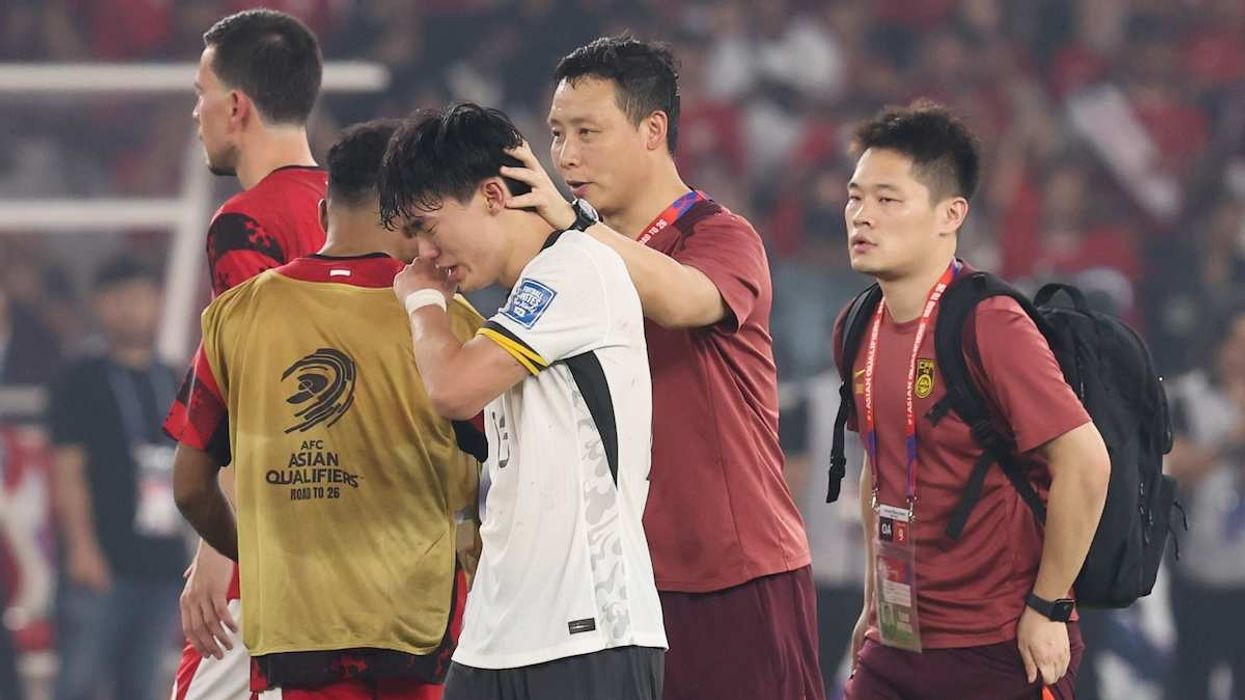
“China has used a state-led approach to develop its infrastructure and tech sectors. But the talent footballistic émerge généralement de façon organique, depuis la base,” explains Mark Dreyer, founder and editor of China Sports Insider.
Football demands collaboration, spontaneity, and creativity—qualities that Dreyer argues are nurtured locally in community clubs and improvised matches, rather than through a centralized government mandate. Furthermore, China's attempts to buy success through the Chinese Super League have been marred by instability. A massive speculative bubble involving real estate conglomerates, combined with match-fixing scandals and strict state regulations on foreign transfers and salaries, has undermined the very foundations intended to support the sport. Currently, the Chinese men's national team sits at 88th in the FIFA rankings.
The Cricket Monopoly
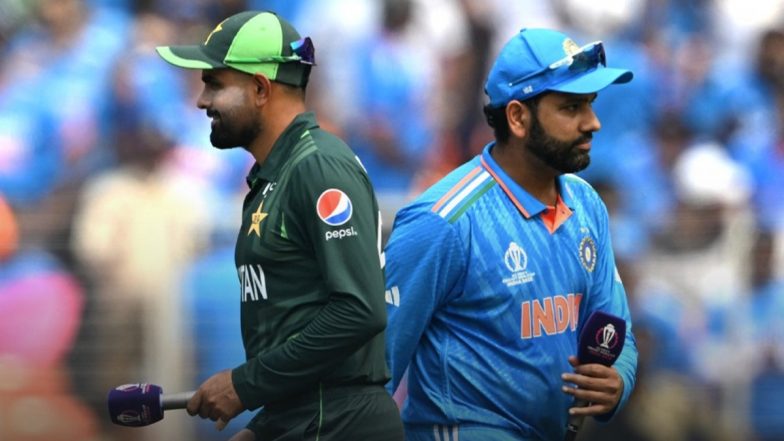
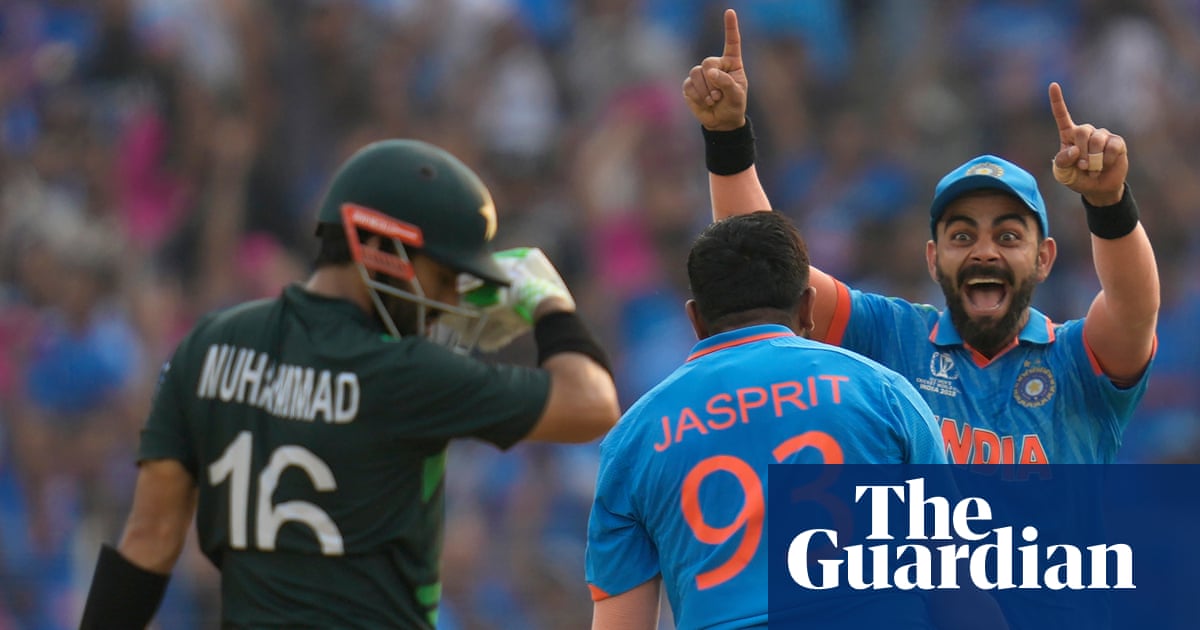
In India, the struggle is less about a failed state mandate and more about a cultural monopoly. While football is the third most-watched sport in the country—drawing 216 million viewers for national league matches in 2016—it exists in the massive shadow of cricket.
The dominance of cricket is not accidental; it is historical and economic. Following the national team's 1983 Cricket World Cup victory, the sport was propelled to a level of investment and obsession that football has struggled to breach.
“There is a real footballing talent in the country. But India is obsessed with cricket,” notes Paul Masefield.
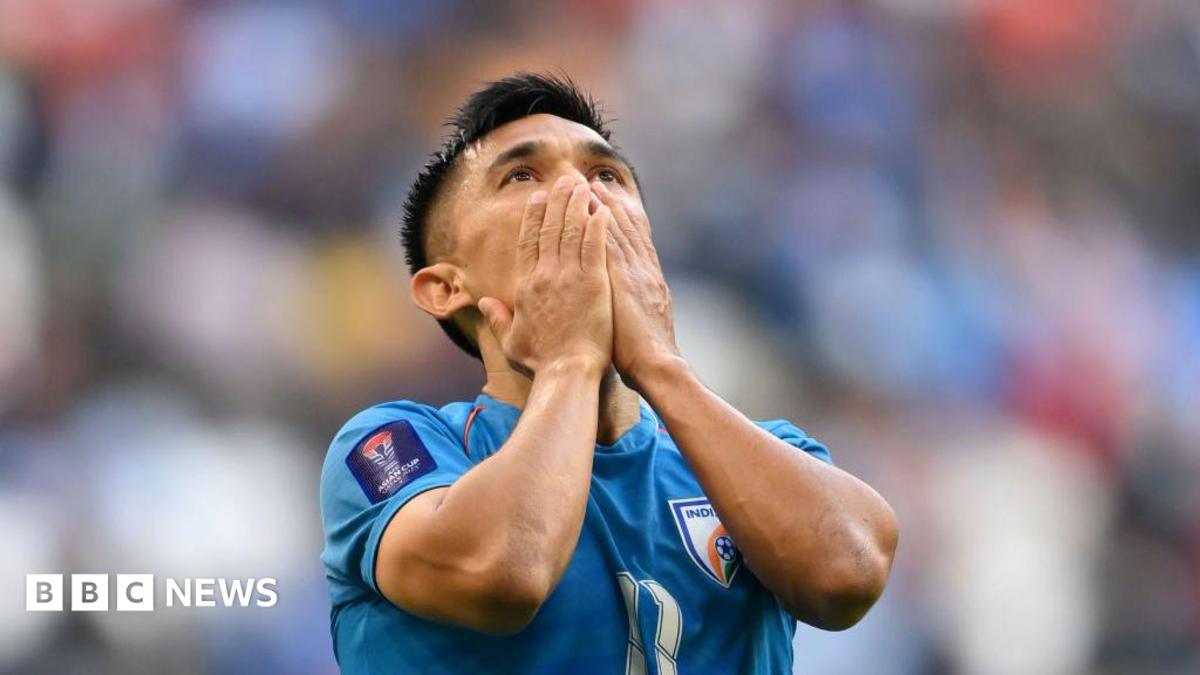
This obsession translates into a massive disparity in resources. While cricket broadcasting rights can reach billions of dollars, the All-India Football Federation (AIFF) remains relatively poor. The financial landscape for Indian football is precarious: the winner of the I-League receives roughly 5 million rupees (approx. €62,000), a figure dwarfed by the €17 million awarded to the winner of France's Ligue 1. While the Indian Super League has successfully attracted international stars like David Trezeguet, Nicolas Anelka, and Robert Pires, these are often players at the end of their careers, rather than the foundation of a long-term development pipeline. India currently sits at 96th in the FIFA rankings.
The Academic Bottleneck
Beyond the pitch and the stadium, a deeper, more pervasive barrier exists in the domestic life of both nations: the education system. In both China and India, the path to social mobility and professional prestige is paved with intensely competitive, high-stakes examinations. For the middle class, success is measured by academic performance and the pursuit of stable, prestigious government or corporate roles.
This creates a self-reinforcing cycle that stifles grassroots participation:
- Time Poverty: The pressure to succeed in exams displaces the leisure time required for consistent athletic practice.
- Financial Prioritization: Parents are more likely to invest in private tutoring than in extracurricular sports.
- Risk Aversion: With few successful professional footballers emerging from these regions, the perceived risk-to-reward ratio of a sporting career remains unattractive to families.
Even the vast diasporas of these nations, which could theoretically act as a bridge to international footballing success, have struggled to make a significant impact in elite European leagues.
An Isolated Ecosystem
The final piece of the puzzle is connectivity. Modern football success is increasingly driven by a globalized network of talent. In Europe, over 72% of World Cup players play for clubs outside their own country, and nearly one in four were born abroad. This constant movement exposes players to diverse tactical styles and high-intensity competition.
China and India remain largely disconnected from these networks. As Masefield points out, Indian players rarely move abroad, which prevents them from learning to compete against different nationalities. While China has attempted to buy expertise by investing in foreign clubs, the fundamental issue remains a lack of organic, international integration at the player level.
To transform from demographic giants into footballing powers, these nations require more than just stadiums and high-priced transfers. They require a fundamental shift in how football is integrated into the social, academic, and economic fabric of the country. As the evidence suggests, a footballing culture cannot be manufactured by decree; it must be grown from the ground up.
Sources
These sources formed the evidence pack for this article. Links open the original publisher; inclusion does not imply endorsement.
- Anaé Rodier original
- Nathalie Belhoste original
- Anaé Rodier original
- Curated by: NewYorkGazette.com Est. 1725 original
- courrierinternational.com original
- Clément Aubry original