There is a specific, hollow silence that follows a massive sporting crescendo. It isn't the quiet of a peaceful conclusion, but the heavy, suffocating stillness that descends when a collective dream evaporates in real-time. For England and their supporters, that silence arrived in Atlanta, following a semi-final that promised a date with history in New York but delivered only a flood of tears.
As the 2026 footballing calendar moves into its next phase, the sentiment across the globe is shifting. Despite the astronomical numbers—23 million fans tuning in to the BBC in the UK, the record-breaking consumption of millions of pints in British boozers—the actual feeling on the ground is less like a triumphant kickoff and more like a slow, exhausting fizzle.
The Anatomy of a Heartbreak
The semi-final between England and Argentina was a microcosm of the tournament's volatility. It was a match of extreme highs and devastating lows, played in an atmosphere described as "extraordinary and febrile" within a magnificent air-conditioned stadium. For a moment, it felt like the pinnacle of the sport.
England, buoyed by a 10,000-strong army of supporters, found the net through Anthony Gordon, momentarily silencing the Argentine contingent. But the momentum was illusory. In the final minutes, two dramatic goals from Lionel Messi’s side shattered the Three Lions' resolve. The visual of England players slumped to the pitch, devastated, became the defining image of a tournament that had brought the nation to a standstill.
The cost of this passion is becoming increasingly evident. From the economic strain on fans—exemplified by a supporter from Swindon noting that a tournament ticket cost "more than a car"—to the physical toll of the event, the sheer scale of the 2026 World Cup is beginning to feel unsustainable. Even the joy is being overshadowed by the logistical and emotional chaos that accompanies such massive gatherings.
Fractures Beneath the Spectacle
While the cameras focus on the 4K UHD precision of the broadcast and the sweat on the players' brows, the structural integrity of the sport appears to be fraying. The "fizzle" isn't a lack of interest; it is a lack of cohesion. The sport is currently caught between the massive commercial engine of FIFA and the mounting resistance of regional bodies.
- Political Friction: The tension between UEFA and FIFA is palpable, with threats of boycotts looming over competitions like the Under-20 Women's World Cup.
- Governance Scandals: Investigations into FIFA leadership, including allegations involving Gianni Infantino and severance payments made to associates, continue to cast a shadow over the presidency.
- On-Field Volatility: Even within the tournament, the passion often veers into dysfunction, as seen when supporters of Argentine clubs Huracan and San Lorenzo turned on each other, leading to police arrests in Atlanta.
This fragmentation suggests that as the tournament concludes, the sport isn't entering a period of unified celebration, but rather a period of intense scrutiny and reorganization.
The Disconnect of the Modern Game
There is a growing gap between the polished, high-tech experience of the spectator and the messy reality of the participants. On one hand, we have the technological evolution of viewing—Sky Sports' move toward larger production spaces and the promise of seeing "every bead of sweat" through advanced UHD HDR technology. On the other, we have a game that feels increasingly disconnected from its roots.
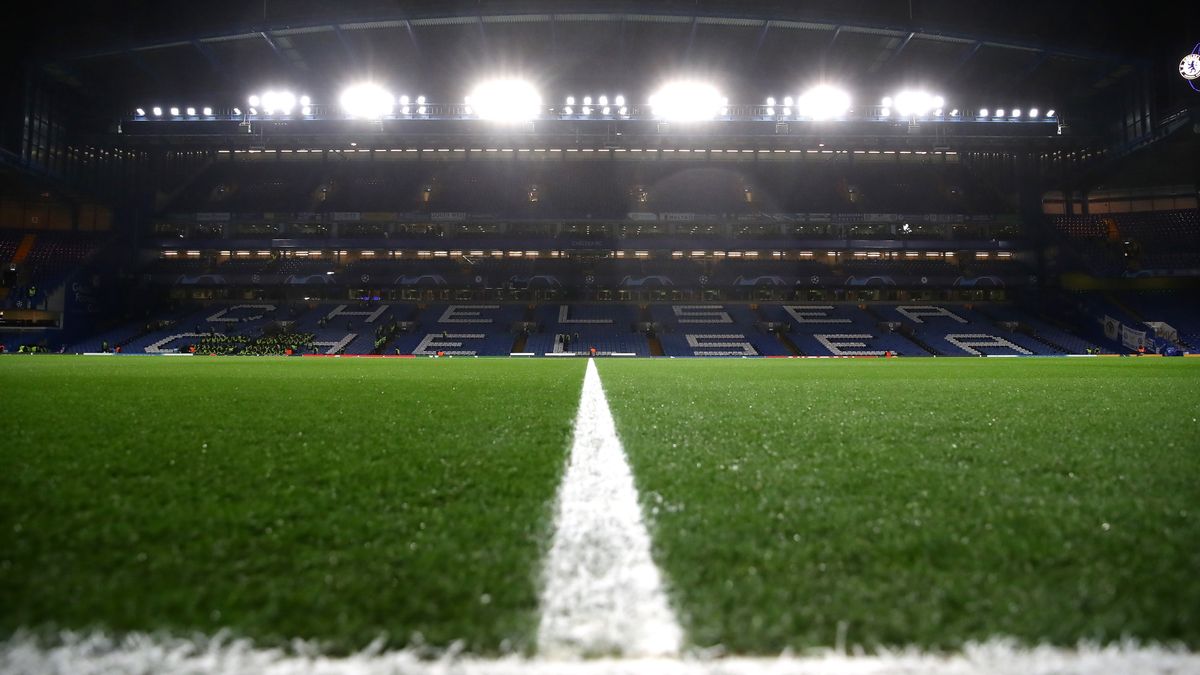
Whether it is the struggle of clubs like Leicester City navigating the gap between the Premier League and League One, or the political maneuvers required to manage a 41-man senior squad at Chelsea, the focus is shifting from the pure joy of the game to the management of its complexities. Even the pundits, like Jamie Carragher and Gary Neville, now operate in a high-pressure environment where production schedules are ripped up and rebuilt minutes before airtime to account for the constant flux of the sport.
"To lose like that is just desperately sad... We may have fallen at the final hurdle but they’ve been brilliant all tournament." — Clive Heathcock, England Super Fan
As the dust settles on the 2026 World Cup, the question for football is whether it can harness this massive, global energy into a coherent future, or if it will continue to be defined by the spectacular, but ultimately hollow, highs of a tournament that leaves everyone feeling a little more exhausted than inspired.
Sources
These sources formed the evidence pack for this article. Links open the original publisher; inclusion does not imply endorsement.
- fliphtml5.com original
- mirror.co.uk original
- techradar.com original
- bbc.com original