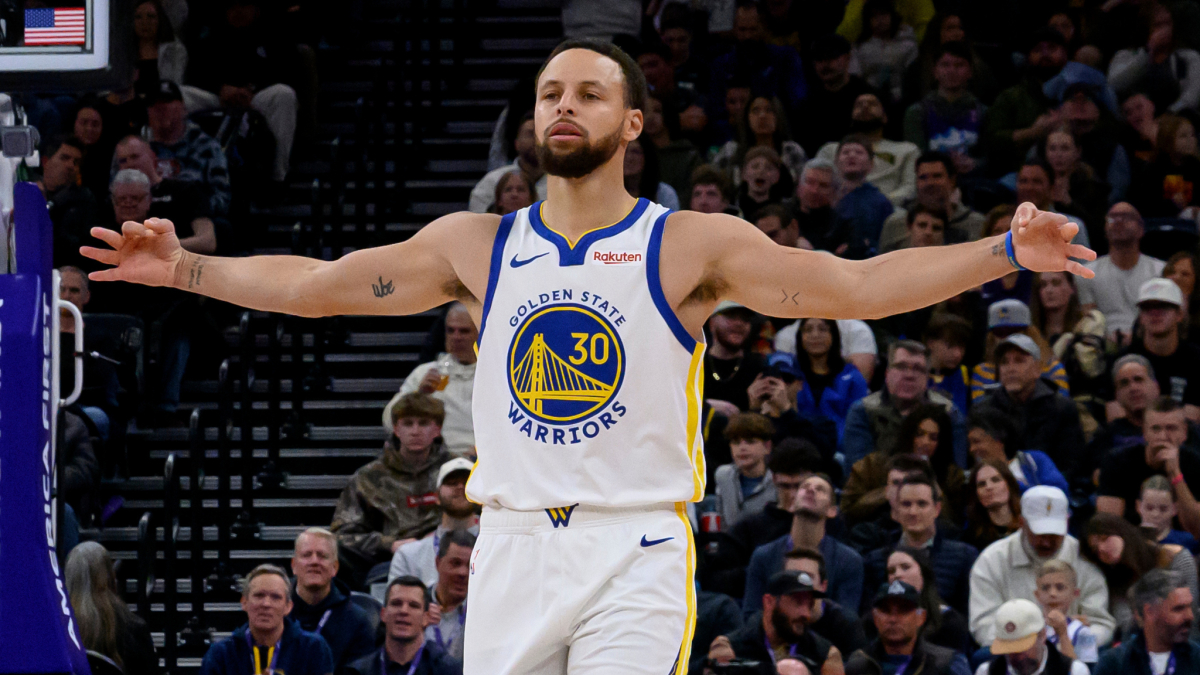
The Golden State Warriors are currently engaged in a delicate, perhaps even contradictory, balancing act. After a disappointing 37-45 campaign that saw them fall short in the Play-In Tournament, the organization has not chosen to sprint toward a quick fix. Instead, they have opted for what has been described as a "gap year"—a calculated period of internal development and financial preservation designed to set the stage for a massive 2027.
But for a franchise whose identity is inextricably linked to a 38-year-old Stephen Curry, this period of strategic idling feels less like a calm transition and more like a countdown.
The Porzingis Pivot: From Superstars to Calculated Risks
The Warriors entered the recent trade deadline with their eyes fixed on a heavyweight prize: Giannis Antetokounmpo. The pursuit of the two-time MVP was intended to be the ultimate exclamation point on Curry’s remaining championship years. However, when Milwaukee made it clear that their cornerstone was not for sale, the Warriors pivoted sharply, executing a trade that caught many by surprise.
In a move that traded away Jonathan Kuminga and Buddy Hield to the Atlanta Hawks, Golden State acquired former All-Star center Kristaps Porzingis. On paper, the move addresses the glaring deficits that haunted their recent struggles: height, rim protection, and floor spacing. Porzingis, a 7-foot-3 presence, offers a unique skill set that Curry himself has already begun to champion.
"I'm excited with what KP can bring," Curry said following a recent comeback victory over the Phoenix Suns. "You saw the fight tonight. We'll learn each other as go."
Yet, the acquisition is wrapped in a layer of significant uncertainty. Porzingis arrives in the Bay Area having appeared in only 17 contests this season, carrying a history of durability concerns that include a 13-game absence prior to the trade. Furthermore, his expiring $30.7 million contract suggests that while the Warriors are adding talent, they are also aggressively protecting their ability to maneuver in the 2027 offseason. This aligns with the broader organizational philosophy of preserving flexibility, even if it means bypassing the immediate gratification of a blockbuster star.
The Management Paradox: Honor vs. Efficiency
The tension within the organization is perhaps most visible in the rhetoric coming from the front office. General Manager Mike Dunleavy Jr. has attempted to navigate a middle path, stating that the team would honor any trade request from Curry because the guard has "earned that right." It was an attempt to signal respect for a player who has surpassed 26,000 career points and secured four NBA titles.
However, the messaging has felt disjointed to observers. The dual narrative—that the Warriors want Curry to stay "forever" while simultaneously acknowledging the need to "manage" his age and lingering knee injuries—has raised eyebrows. When a front office begins discussing the "management" of a superstar’s physical decline, it inadvertently signals that they are preparing for a post-Curry reality.
This has led to pointed critiques regarding the team's direction. Analyst Kendrick Perkins expressed skepticism about the Porzingis trade, suggesting it might be more about cap space than competitive impact, while radio host Mark Willard characterized the conflicting management statements as "clumsy P.R. malpractice." The core of the criticism is simple: if the Warriors are planning for 2027, are they actually helping Curry win in 2026?
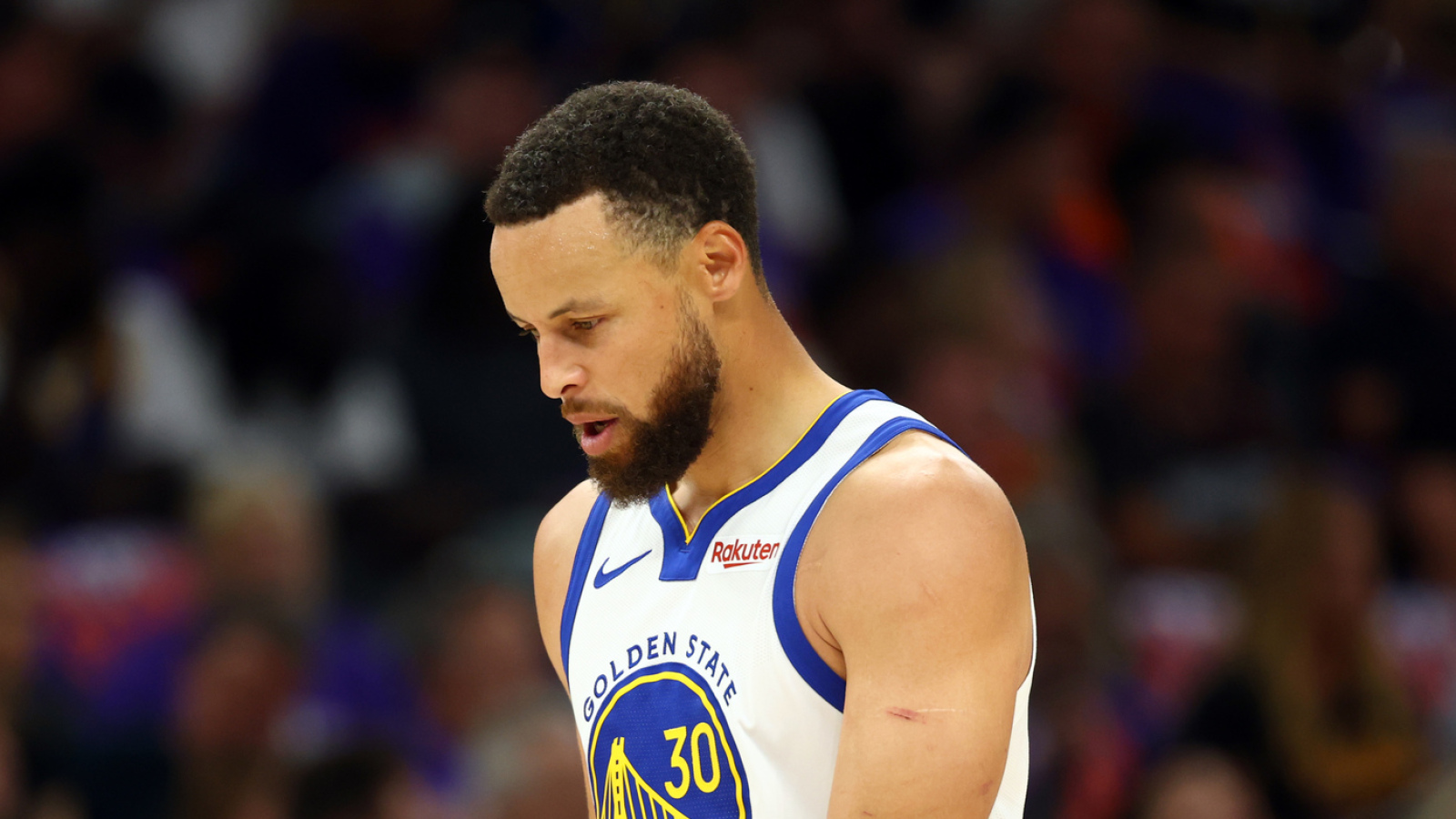
Two Timelines and a Shrinking Window
The Warriors are currently operating under a "two timelines" framework—an attempt to develop young talent, such as the No. 11 overall pick Yaxel Lendeborg, while maintaining a championship-caliber core around Curry. It is a strategy that has been attempted before, most notably during the transitional period following the 2019-20 season.
The difference this time is the mathematical reality of time. While the front office is looking toward the cap space of 2027, Curry is approaching his 38th season. The decision to resist major additions this summer in favor of continuity is a gamble that the team’s existing core can remain competitive enough to keep Curry engaged, without sacrificing the assets needed to make a truly transformative move in the future.
Whether this "gap year" results in a revitalized contender or a missed opportunity depends entirely on one variable: health. If Porzingis can provide consistent elite presence and Curry can defy the biological expectations of a 38-year-old veteran, the Warriors' patient approach may be vindicated. If not, the franchise may find that in their attempt to save the future, they let the present slip through their fingers.
Evidence-Led Forecast
Tactical Pattern: Expect the Warriors to utilize Porzingis as a high-post facilitator and rim protector to create more room for Curry's off-ball movement, attempting to replicate the spacing advantages seen during his championship runs.
Decisive Matchup: The effectiveness of the Warriors' new rotation will hinge on Porzingis's ability to maintain availability. His ability to stay on the floor during high-intensity stretches will dictate whether Golden State can compete with the league's elite.
Strongest Counter-Case: If the 2026-27 season sees a decline in Curry's mobility due to knee management, the "gap year" strategy could backfire, leaving the team in a middle-ground purgatory: too old to compete with the top tier, yet too focused on the future to rebuild effectively.
Sources
These sources formed the evidence pack for this article. Links open the original publisher; inclusion does not imply endorsement.
- marca.com original
- warriorsbrasil.com original
- ibtimes.co.uk original
- yardbarker.com original

