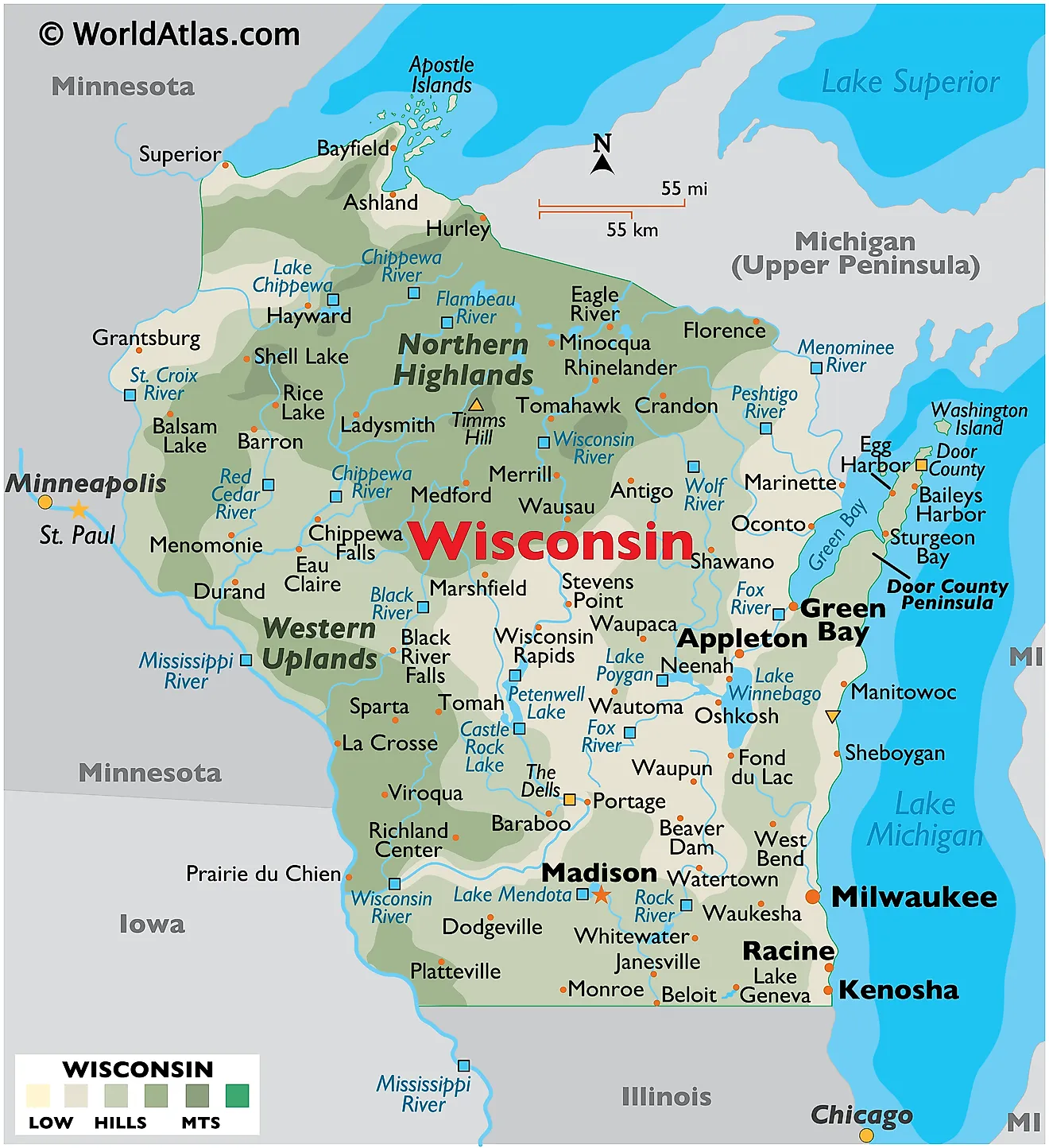
The landscape of collegiate athletics is often defined by the tension between tradition and innovation. In Wisconsin, that tension is manifesting through the "Travel Wisconsin Frozen Tundra Faceoff," a high-profile event that brings the intense rivalry of programs like Michigan and Ohio State into the rugged, storied context of the Green Bay region. This is not just a series of matchups; it is a calculated immersion into the unique identity of the Badger State, where the grit of Midwestern winter meets the precision of elite hockey.
The Convergence of Collegiate Giants
The Faceoff represents more than a standard non-conference schedule. By involving powerhouses like Michigan and Ohio State alongside Wisconsin, the event elevates the stakes of the collegiate hockey season. The strategic scheduling of such matchups suggests an attempt to capture the same atmospheric energy that defines the region’s football culture, leveraging the historical weight of the "Frozen Tundra" to frame these athletic contests.
While the specific logistical details of the tournament continue to evolve, the focus remains on the competitive intersection of these three programs. For the players, the challenge is dual-layered: they must navigate the tactical complexities of high-level collegiate play while contending with an environment that is fundamentally different from the climate-controlled confines of a standard arena.
The intersection of ice and iron is rarely this literal. Moving these programs into the orbit of Green Bay’s sporting legacy changes the scale of the competition.
The Meteorological Crucible
To understand the true difficulty of competing in this region, one must look at the atmospheric variables inherent to Wisconsin. The state operates under a humid continental climate, a system that offers little reprieve during the winter months. The meteorological data reveals a landscape that is as unforgiving as it is iconic.
| Metric | Value / Condition |
|---|---|
| January Average Temperature | Approximately 15°F (-10°C) |
| Standard Annual Snowfall | 40 to 50 inches |
| Snowbelt Peak Snowfall | Up to 125 inches |
| Climate Type | Humid Continental |
The thermal reality of a Wisconsin winter is a decisive factor. With January temperatures hovering around a biting 15°F, the potential for blizzards and severe weather is a constant presence. Furthermore, the state’s unique geography—bordered by Lake Michigan and Lake Superior—creates specific snowbelts where annual snowfall can reach staggering heights of 125 inches. For athletes, this means that environmental variables like wind chill and sudden temperature drops are not merely background noise; they are active participants in the game.
The Infrastructure of the Game Day Experience
The appeal of the Faceoff extends beyond the puck drop, tapping into the robust hospitality ecosystem that surrounds Green Bay. The region is highly calibrated for massive sporting weekends, with an infrastructure that spans from the professional atmosphere of the Titletown District to the local hospitality of the Resch Center. For fans, the experience is designed around the proximity to the action.
The local lodging market reflects this sporting fervor. Many accommodations within walking distance of Lambeau Field and the Titletown area are specifically themed to cater to the "Packers weekend" energy, featuring amenities like views of the stadium jumbotron and interiors designed for large groups. This ecosystem—comprising specialized rental properties, local sports bars, and the nearby Resch Center—ensures that the energy of the "Go Pack Go" culture bleeds into the hockey experience.
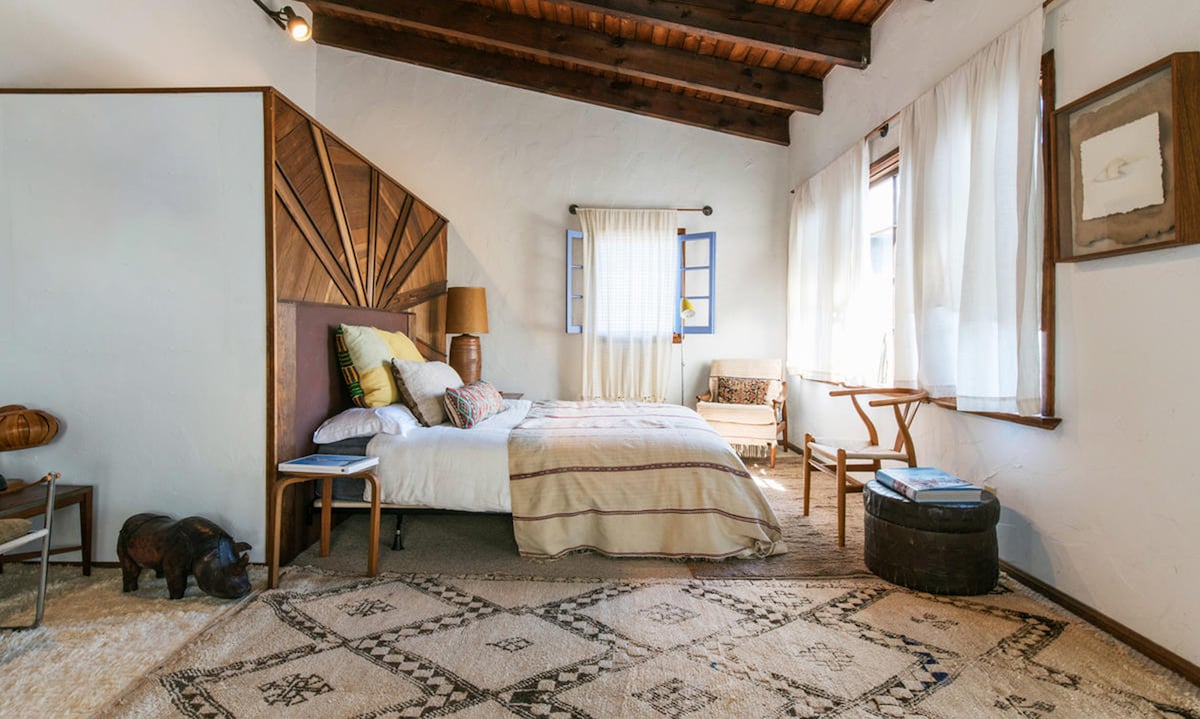
Whether fans are navigating the streets near the stadium or utilizing the local amenities, the logistical blueprint is centered on accessibility and atmosphere. The combination of high-speed connectivity in modern rentals and the proximity to historic sites like the Packers Hall of Fame creates a multi-dimensional weekend that transcends the ice itself.
The Regional Identity
Ultimately, the Faceoff is an exercise in branding the Badger State's resilience. From the diverse terrain of the Northern Highland to the bustling economic centers of Milwaukee and Madison, Wisconsin’s identity is rooted in its ability to thrive in challenging conditions. By bringing elite hockey to this environment, the event reinforces a connection between the state's rugged natural beauty and its status as a premier destination for high-stakes sporting spectacles.
Sources
These sources formed the evidence pack for this article. Links open the original publisher; inclusion does not imply endorsement.
- worldatlas.com original
- sportstraveler.net original
- airbnb.cz original
- uwbadgers.com original


