The End of the Bridesmaid Era
The wait that defined a generation has finally reached its crescendo. For twenty-two long years, Arsenal occupied the uncomfortable role of the Premier League’s perpetual bridesmaids, enduring the mockery of being 'second again.' That era of frustration ended on a Tuesday night when Manchester City’s draw with Bournemouth mathematically handed the English title back to North London.
It was a moment of profound catharsis for a club that had not tasted top-flight glory since the unbeaten era of Thierry Henry and his contemporaries in 2004. The celebration has spilled from the Emirates into the political sphere, with Prime Minister Sir Keir Starmer—an avid supporter—congratulating the side on social media, noting that the champions are finally "back where we belong." As the squad prepares to officially lift the trophy this Sunday at Crystal Palace, the narrative of the club has fundamentally shifted from one of near-misses to one of dominance.
Yet, as the trophy ceremony approaches, the landscape of the league is already shifting beneath the feet of the champions. The arrival of new managerial regimes and a flurry of high-stakes transfers suggests that while Arsenal have conquered the past, the battle for the future is being fought on a much more complex front.
The Managerial Pivot: New Identities in Transition
The early weeks of this campaign have highlighted how quickly tactical identities can pivot under new leadership. At Chelsea, Xabi Alonso’s tenure has begun with a statement of intent. A 3-2 victory over Fulham at Craven Cottage saw the Spaniard's side display the "responsibility, maturity and freedom" he has sought to instill. Central to this is Cole Palmer; the playmaker’s goal and assist were decisive, prompting Alonso to insist that while the squad can achieve "special things," the team's ceiling is intrinsically linked to Palmer's individual brilliance.
Contrast this with the frantic energy at Manchester City. Under the direction of Maresca, the reigning titans are already navigating the complexities of a new era. Their dramatic comeback against Bournemouth served as a reminder of their resilience, but it also underscored a period of transition. While Maresca has praised the team’s performance, the underlying data suggests a league in flux. Manchester United, by comparison, looked a shadow of their former selves in a shock defeat to Hull, with Alan Shearer noting the squad appeared to lack basic fitness levels.
The Tactical Landscape: A Snapshot
- Chelsea: High-reliance on playmaker Cole Palmer under Xabi Alonso.
- Manchester City: Transitioning into the Maresca era through high-intensity comebacks.
- Aston Villa: Struggling with consistency, evidenced by a "woeful" collapse against Brighton.
- Newcastle: Displaying "energy, pace, and passion" in their Carabao Cup success.
The Recruitment Paradox: Builders vs. Buyers
Despite the astronomical spending that defines the Premier League—with players like Declan Rice, Moises Caicedo, and Jack Grealish commanding fees exceeding £100m—an analytical gap remains between the English top flight and the traditional European giants. The Premier League has mastered the art of the "talent factory," but it remains a secondary destination for players at their absolute, established peak.
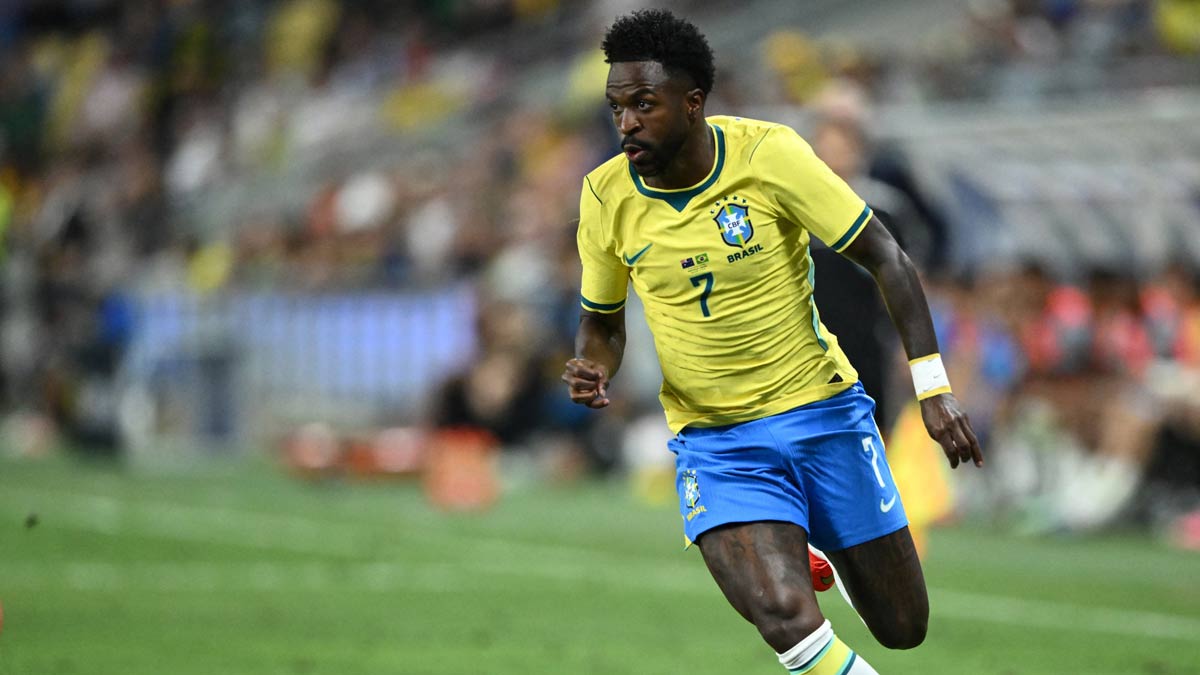
The recent near-miss involving Vinicius Jr. serves as a perfect case-study. Arsenal were prepared to make the 26-year-old Brazilian their primary target, a move that would have seen a genuine global superstar move to England at the height of his powers. Instead, Vinicius committed his future to Real Madrid until 2032. This highlights a recurring difficulty: while the Premier League attracts elite center-backs and goalkeepers with ease, the scarcity of Ballon d'Or-level attackers remains palpable.
Since 1992, only three players have won the Ballon d'Or while playing in England: Michael Owen (2001), Cristiano Ronaldo (2008), and Rodri (2024). The league’s true strength lies in its ability to act as a springboard. Players like Erling Haaland arrived at Manchester City as highly coveted prospects from Borussia Dortmund and developed into the world's most feared forwards once they entered the English environment. Similarly, the league provided the stage for the transformations of Dennis Bergkamp, Eric Cantona, and Thierry Henry.
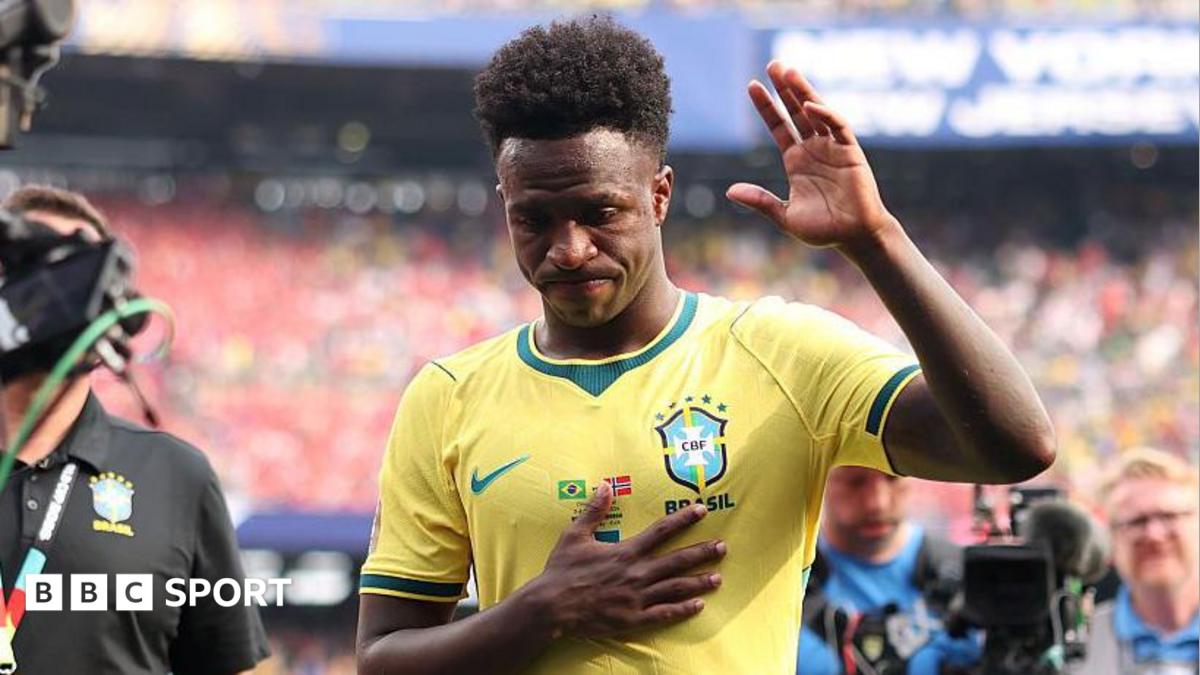
The model is less about importing one 'Galactico' and more about assembling 18-22 elite players capable of surviving a demanding season.
This distinction is crucial. Where Real Madrid and Barcelona function as destination clubs for established legends, the Premier League operates on a model of high-volume, high-quality assembly. We see this in the way clubs like Liverpool integrate players like Florian Wirtz—reputations that are massive, but whose absolute peak is still being engineered on English soil.
The Gravitational Pull of the Bernabéu
For the Premier League's brightest stars, the allure of Spain is not merely about the climate or lifestyle; it is about the institutional weight of the destination clubs. Jude Bellingham's trajectory from Birmingham City to Real Madrid serves as a reminder that even domestic English talents often look toward Madrid to complete their ascent. Even Erling Haaland, despite his dominance in Manchester, remains subject to the gravitational pull of the Spanish capital; his father, Alfie Haaland, noted during the 2026 World Cup that "any player wants to play for Real Madrid."
As the season progresses, the tension will remain: can the Premier League's financial might and developmental prowess eventually bridge the gap, or will it always remain the world's greatest proving ground rather than its ultimate showroom?
Sources
These sources formed the evidence pack for this article. Links open the original publisher; inclusion does not imply endorsement.
- bbc.com original
- bbc.co.uk original
- dailymail.com original
- livescore.com original