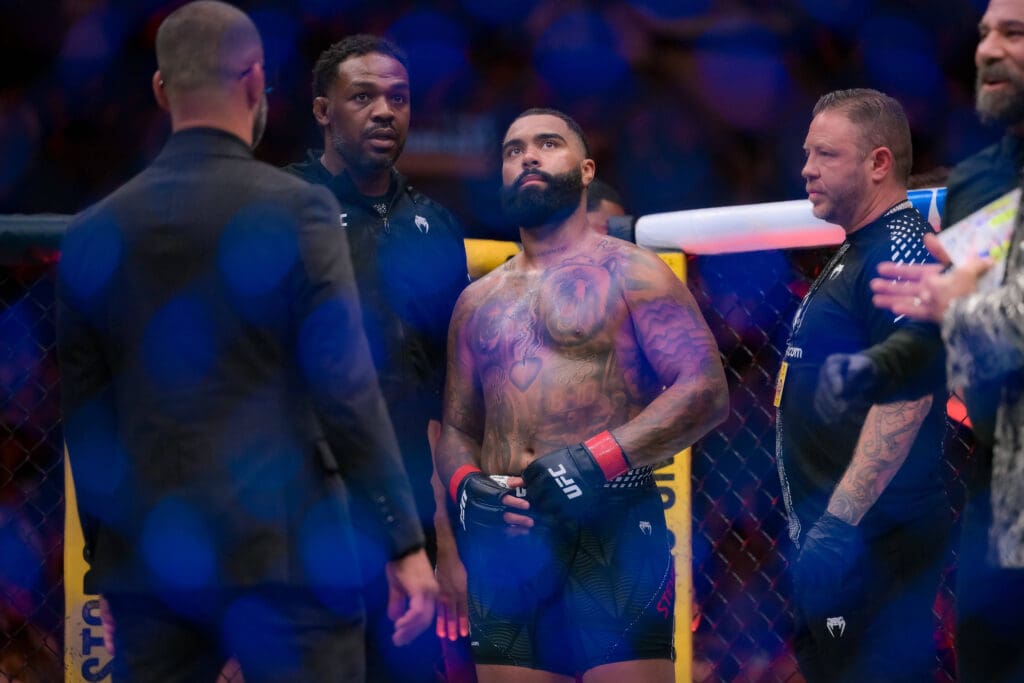
For decades, the combat sports experience was defined by the binary tension of a fight: two athletes, one winner, and a waiting game between events. Today, that model is effectively obsolete. The rise of Daily Fantasy Sports (DFS) and integrated fantasy platforms has shifted the paradigm, turning the Octagon and the SmartCage into high-frequency data playgrounds where fans are as focused on strike volume as they are on the final hand-raise.
The Mathematical Evolution of the Fan
Fantasy MMA has evolved from a niche curiosity into a formidable ecosystem. Where traditional betting offers a direct stake in a result, fantasy platforms provide a granular layer of interaction. According to industry analysis, the sport’s inherent unpredictability—combined with clearly defined performance metrics like significant strikes, takedowns, and submission attempts—makes it a natural candidate for gamification. Participants are no longer just fans; they are analysts processing injury reports, stylistic matchups, and recovery data to build lineups that optimize point yields under a salary cap.

The Dual-Track Market
The current landscape is defined by two primary styles of engagement: the traditional salary-cap model and the increasingly popular Pick’Em format. Traditional DFS platforms, pioneered by entities like DraftKings as early as 2015, rely on participants building a roster of fighters within a fixed budget. Success here requires deep, specialized knowledge of fighter output across an entire card.
Conversely, the Pick’Em style—championed by newer entrants such as Underdog Fantasy and ParlayPlay—mirrors the logic of prop betting parlays. This format bypasses the complexity of a salary cap, asking users to forecast over/under outcomes on specific statistical projections. It is a streamlined approach that lowers the barrier to entry, arguably catering to a broader, more casual audience that prioritizes immediate engagement over long-form roster construction.
Beyond the Bet: The Strategic Shift
The integration of these platforms has fundamentally altered the economics of fan attention. The Professional Fighters League (PFL), for instance, has embraced this shift through partnerships with platforms like FanUp, integrating gamified contests directly into the Bellator Champions Series. This isn’t merely about volume; it is about infrastructure. With branding featured inside the PFL SmartCage and fighters serving as ambassadors, the goal is to bridge the gap between the live action and the digital lobby.

The shift is also structural. The demand for winning data has created a secondary industry of content creators—podcasters, analysts, and YouTube researchers—who monetize the need for tactical insight. Fans now consume pre-fight analysis not just to know who will win, but to understand if a fighter is a "safe" points-scorer based on their historical volume of attempts.
The New Reality of Engagement
While the proliferation of these games offers a substitute for traditional sportsbooks in restricted regions, it also demands a new level of literacy from the consumer. Success in the current DFS climate requires more than a casual interest in a fighter's reputation. It necessitates a cold look at the numbers. As the technology behind these apps becomes more seamless—featuring mobile-first designs and real-time tracking—the distinction between "watching the fight" and "playing the card" continues to blur.
For the combat sports organization, the outcome is clear: the rise of fantasy MMA has effectively transformed the fan base from a passive audience into active participants. Whether this leads to a more sophisticated understanding of the sport or merely a higher volume of engagement, the digital, gamified nature of combat sports is now its most permanent feature.
Sources
These sources formed the evidence pack for this article. Links open the original publisher; inclusion does not imply endorsement.
- props.com original
- Combat Press original
- Professional Fighters League (PFL) original
- ufc.com original
- Kalle Beck original