Related coverage
In the ring, the difference between a master technician and a brawler often comes down to spacing—the ability to control distance and timing. In Sheldon Candis’ They Fight, currently streaming on Hulu and Disney+, that fundamental discipline is exactly what the film lacks. It is a work that possesses the raw material of a classic—a powerhouse performance from André Holland and a compelling, if familiar, premise—but it ultimately falters by trying to occupy too many narrative weight classes at once.
At its core, They Fight is a story of rehabilitation, based on the 2018 documentary of the same name. André Holland stars as Walt Manigan, a man emerging from prison with a haunting, quiet intensity. The opening scenes, which depict Walt’s desperate bid for parole and his initial, bruising attempts to rejoin society in Southeast Washington, D.C., are the film’s strongest. Holland plays Walt with a palpable, internal friction; he wears his regret like a physical weight, his performance offering a masterclass in subtlety that the script, unfortunately, is rarely interested in matching.
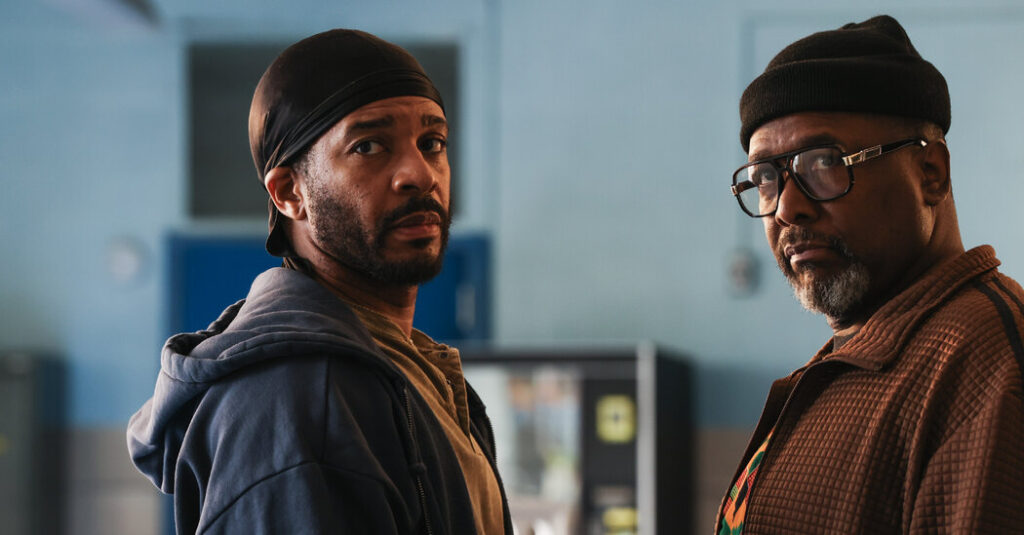
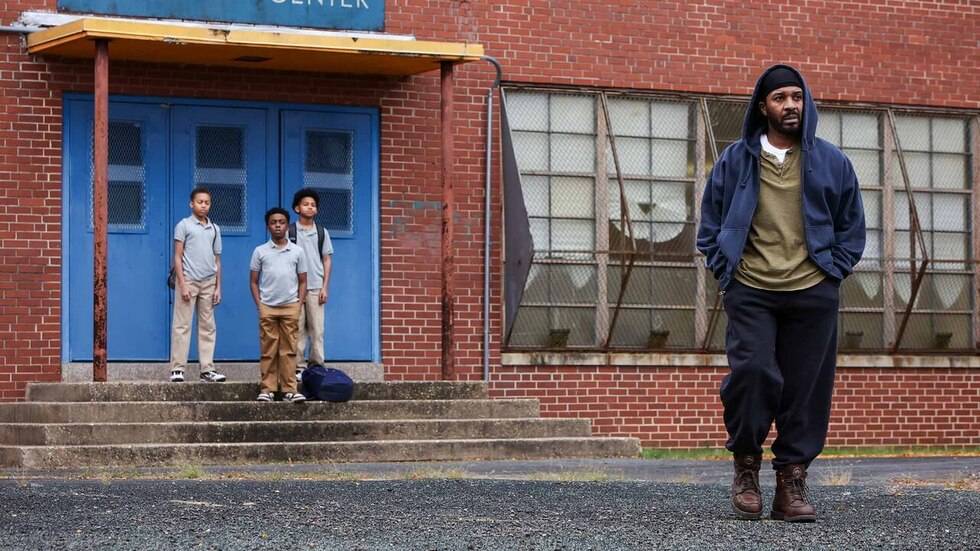
The film’s central conflict is twofold: Walt’s personal quest to reconcile with his ex-partner, Ketta (a sharp, weary Samira Wiley), and his reluctant mentorship of young boxers at a community center run by the equally steadfast Wendell Pierce. As Slim, the gym’s proprietor, Pierce provides a grounding, stoic counterpoint to Walt’s volatility. However, the film frequently hits a wall when it shifts its focus from these adult reckonings to the younger generation—Peanut (Anthony B. Jenkins) and Quincey (Toussaint Francois Battiste). While the young actors are endearing, their arcs—and the inevitable march toward a climactic, quasi-epic boxing tournament—feel like they have been pulled from a completely different, far more generic sports movie.

This structural dissonance is the film's undoing. Candis and his co-writer, Andrew Renzi, seem unable to decide whether they are making a gritty, indie-style character study or an inspirational, crowd-pleasing underdog tale. As the film progresses, the quiet, observational moments that give it life are increasingly suffocated by a "cavalcade of shallow subplots," including health crises and the threat of drug relapse, all crammed into a runtime that barely exceeds 90 minutes. The result is a work that feels perpetually rushed, leaving little room for its characters’ struggles—or their triumphs—to breathe.
The film’s heavy-handed stylistic choices further complicate its message. Whenever Holland begins to truly tap into the soul of his character, the film too often interjects with an aggressive, manipulative score or a jarring training montage, effectively breaking the viewer's immersion. There is an irony here: the film is about boxing, yet it spends much of its time fighting against its own best instincts. Even the final, climactic bouts suffer from inconsistent choreography and a lack of emotional weight, making it difficult to fully invest in the outcome.
Ultimately, They Fight is a reminder that sincerity, while admirable, is not a substitute for narrative cohesion. While the film is a testament to the immense skill of André Holland—who manages to convey more depth in a single glance than the script provides in pages of dialogue—he is ultimately left to carry a burden that the film’s disjointed structure refuses to share. It is a watchable effort, occasionally beautiful in its small, human moments, but it falls short of the impact of the true story that inspired it. For those looking for the real heart of these characters, the evidence suggests that the 2018 documentary remains the superior, more honest portrait of their struggle.
Sources
These sources formed the evidence pack for this article. Links open the original publisher; inclusion does not imply endorsement.
- Dan Bayer original
- Lerer original
- William Bibbiani original
- Josh Bate original
- Robert Kojder original
- rogerebert.com original
- dnyuz.com original