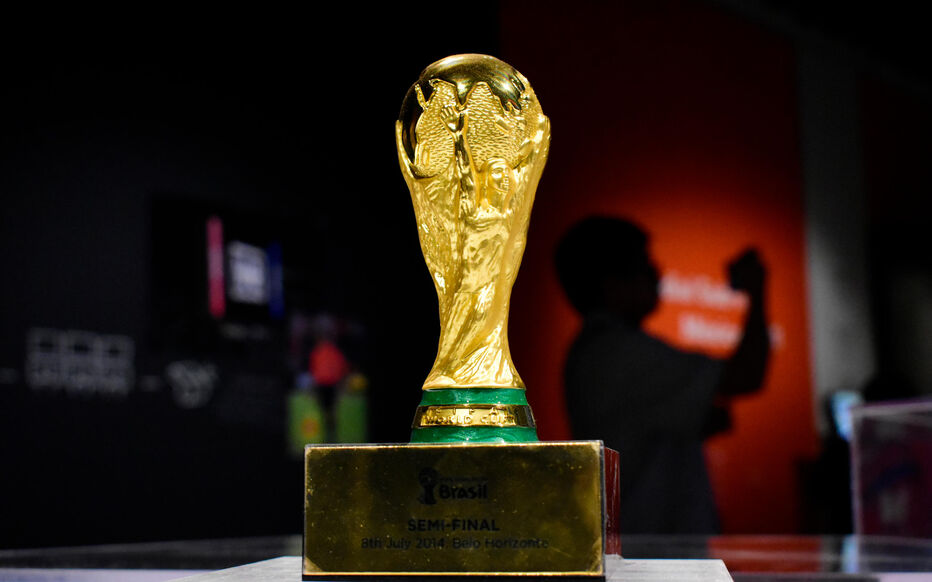
When FIFA President Gianni Infantino handed Donald Trump the inaugural FIFA Peace Prize—complete with jerseys, balls, red and yellow cards, and a medal—the transactional nature of modern sports diplomacy was laid bare. As political scientist Jules Boykoff observes, Infantino has showered the US President with football paraphernalia not out of mutual peer homage, but in a display of calculated courtship. While Trump towers over the FIFA chief physically by eight centimeters, the geopolitical and domestic staging of the tournament dwarfs the governing body's traditional veneer of political neutrality.
Yet this symbiosis operates on distinct power dynamics. Sports economist Stefan Szymanski notes that while Trump leverages the world's most-watched sporting event as a nationalist propaganda machine and a populist distraction, Infantino commands the financial ledger. FIFA expects record revenues reaching up to 11 billion dollars from the North American World Cup hosted across Canada, Mexico, and the United States. Infantino relies on Trump to secure smooth operational delivery and infrastructure backing, utilizing those massive incoming revenues to distribute funds across global member associations and cement his autocratic hold on power.
Behind the glossy photo-ops in the Oval Office and shared tournament suites, however, a systemic stress test is fracturing the global game. The fault lines widened dramatically during the tournament amid the explosive "Balogun case." Following a reported phone call from Trump regarding US striker Folarin Balogun's eligibility to play in the knockout match against Belgium, a disciplinary reversal triggered immediate fury. The decision prompted a scathing rebuke from UEFA, which accused FIFA of crossing a definitive red line—a move the Guardian characterized as a virtual declaration of war.
The institutional friction extends far beyond a single roster dispute. Human rights and governance watchdogs, including FairSquare, filed formal complaints with FIFA's internal ethics committee over Infantino's overt political pandering and the dubious criteria behind the newly minted Peace Prize. According to FIFA's own ethics code, the head of the global governing body is strictly bound to political neutrality. Yet Infantino appeared entirely comfortable leaning into partisan theater, famously handing Trump a red card during a White House visit and joking about kicking out journalists, prompting Trump to eagerly wave the card toward the assembled press corps.
Despite the intensifying chorus of European condemnation—including sharp demands for his resignation from outlets like the Telegraph—Infantino's grip on the presidency remains structurally secure for now. Having engineered statute changes that could keep him in power until 2031, and backed by loyal confederations across South America, Africa, and Asia who rely on his financial distributions, Infantino's coalition outside Europe remains intact. Whether this brazen consolidation of political and financial capital can withstand an increasingly hostile UEFA opposition will define the true cost of the Trump effect on world football.
Sources
These sources formed the evidence pack for this article. Links open the original publisher; inclusion does not imply endorsement.
- faz.net original
- srf.ch original
- n-tv NACHRICHTEN original