Related coverage
View the Instagram post
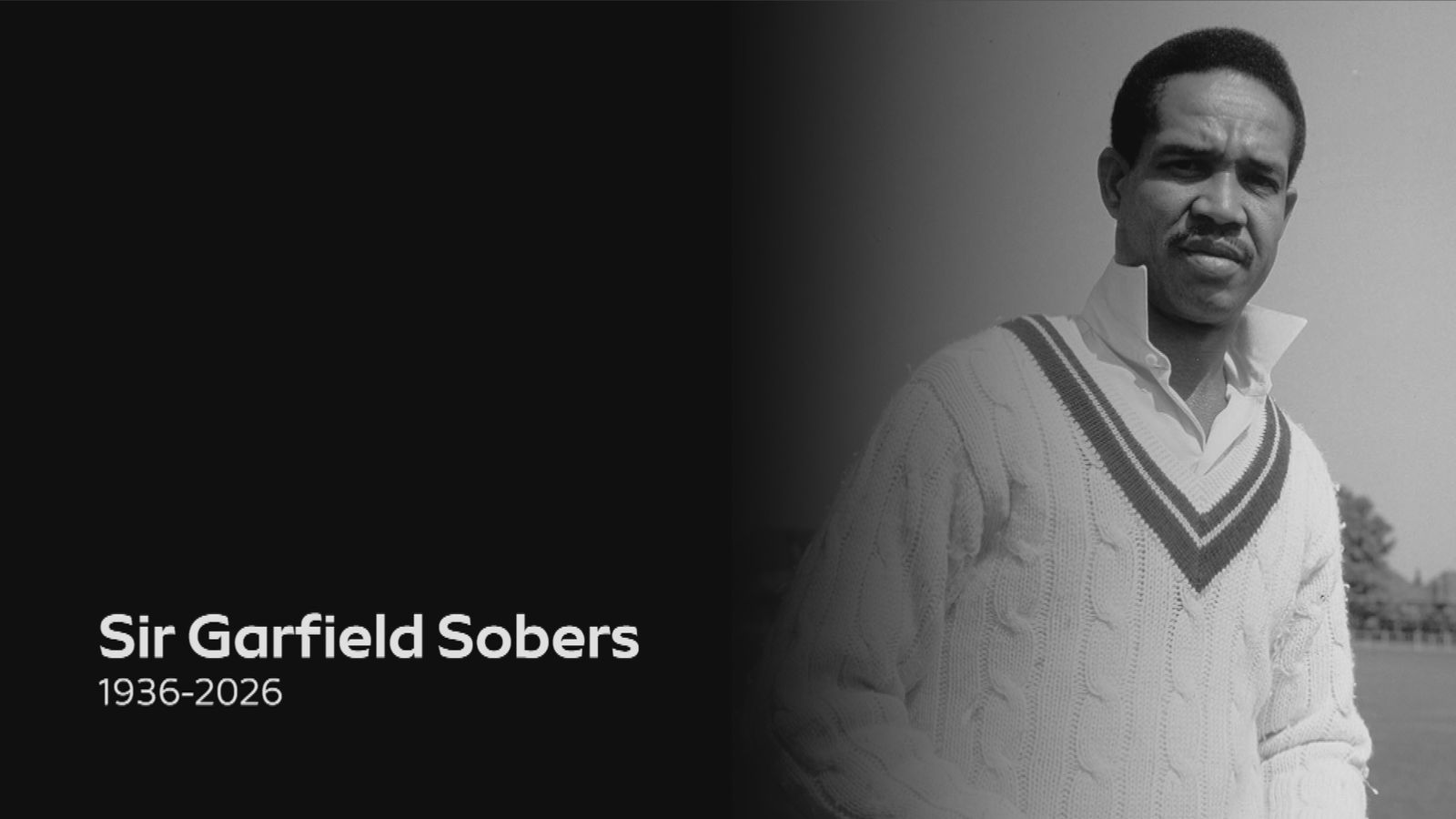
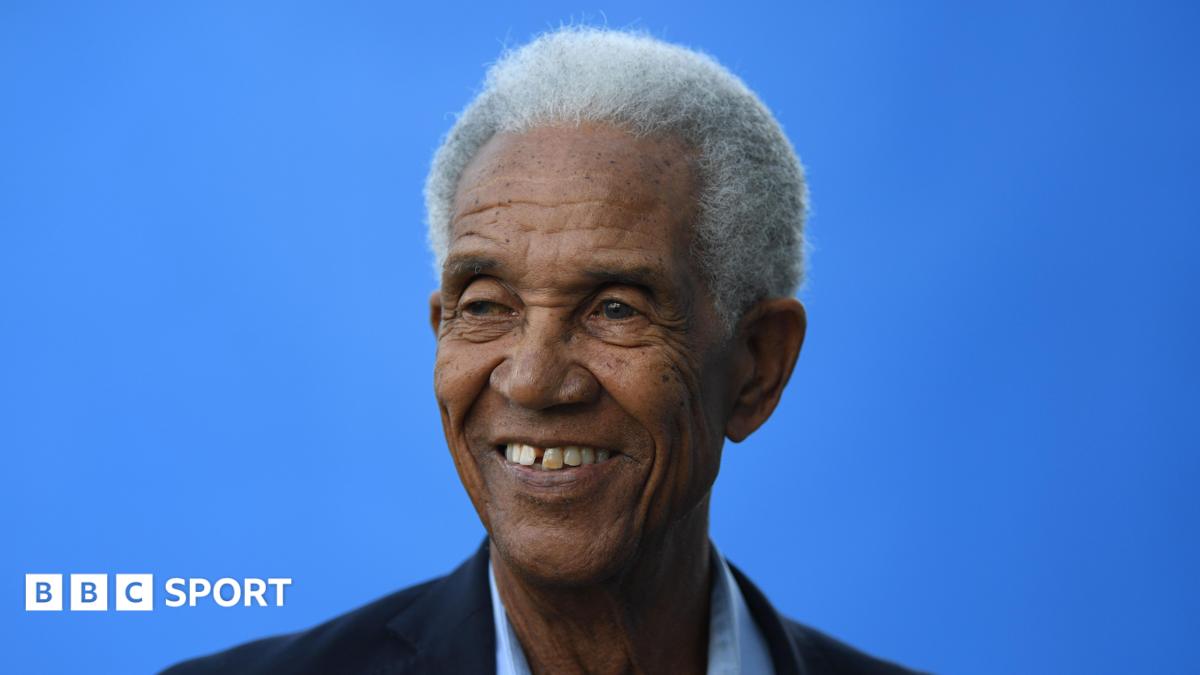
Cricket has lost its most complete practitioner. The news that Sir Garfield 'Garry' Sobers has passed away at the age of 89 has sent a shockwave through the sporting world, marking the end of an era that defined the very essence of West Indian dominance and individual brilliance.
Sobers was not merely a player; he was a tactical anomaly. In an era before the hyper-specialization of modern cricket, he existed as a singular force capable of mastering every facet of the game. He was a left-handed batter of poetic grace, a bowler who could pivot between seam, orthodox spin, and wrist spin with seamless ease, and an athlete whose fielding prowess was decades ahead of its time.
The Statistical Rarity of a Master
To understand the magnitude of this loss, one must look beyond the sentiment and into the cold, hard data of a career that remains almost untouchable. Between 1954 and 1974, Sobers represented the West Indies in 93 Test matches, a tenure that saw him accumulate 8,032 runs at a staggering average of 57.78. But his contribution did not end with the bat.
He claimed 235 Test wickets at an average of 34.03, placing him in an elite fraternity. He is one of only five all-rounders in Test history to have scored more than 5,000 runs while claiming over 200 wickets—a club that includes the likes of Jacques Kallis and Ian Botham. His ability to influence a match was total; he even contributed 109 catches to his legacy, proving that his presence on the field was felt in every department.
A Career Defined by Landmarks
Sobers’ career was punctuated by feats that transitioned from mere statistics into sporting folklore. Two specific milestones stand as the pillars of his legend:
- The 365 Not Out: In 1958, at the age of 23, Sobers struck an unbeaten 365 against Pakistan at Sabina Park. This maiden Test century rewrote the record books, standing as the highest individual score in Test history for 36 years until it was finally surpassed by fellow West Indian Brian Lara in 1994.
- The Six-Sixes Over: In August 1968, while playing for Nottinghamshire in the County Championship, Sobers became the first player to hit six sixes in a single over of six consecutive balls. The feat, achieved against Malcolm Nash of Glamorgan at Swansea, remains one of the most storied moments in first-class history.
Analysis: While modern data-driven cricket often prioritizes strike rates and specialized roles, Sobers represents the ultimate counter-argument. His ability to adjust his bowling style based on the pitch or the immediate requirements of the match suggests a level of intuitive tactical intelligence that is rarely seen in the modern specialist era.
The Global Mourning: "The Greatest"
The reaction from the cricket fraternity has been a chorus of reverence. The tributes are not merely polite gestures; they are acknowledgments of a shared loss of greatness. For many, Sobers was the yardstick by which all other talent was measured.
"This is probably the saddest day for the game of cricket. The greatest cricketer to walk the earth has left us." — Sunil Gavaskar
Brian Lara, the man who eventually broke Sobers' long-standing batting record, offered a poignant reflection on the connection between two of the game's greatest titans. Expressing his condolences via Instagram, Lara noted the profound impact Sobers had on the West Indies and the sport at large.
"Our greatest player has left us. My deepest condolences to every member of his family who stood by him and gave him the strength he needed when he needed it most. Rest easy, legend. Your legacy will never be forgotten." — Brian Lara
Virender Sehwag echoed this sentiment, suggesting that the term "all-rounder" was practically tailor-made for the man. He noted that Sobers was "way ahead of his times" and remarked that in the modern IPL era, his multifaceted skill set would have made him the most expensive player in the world without a doubt.
From Barbados to the World Stage
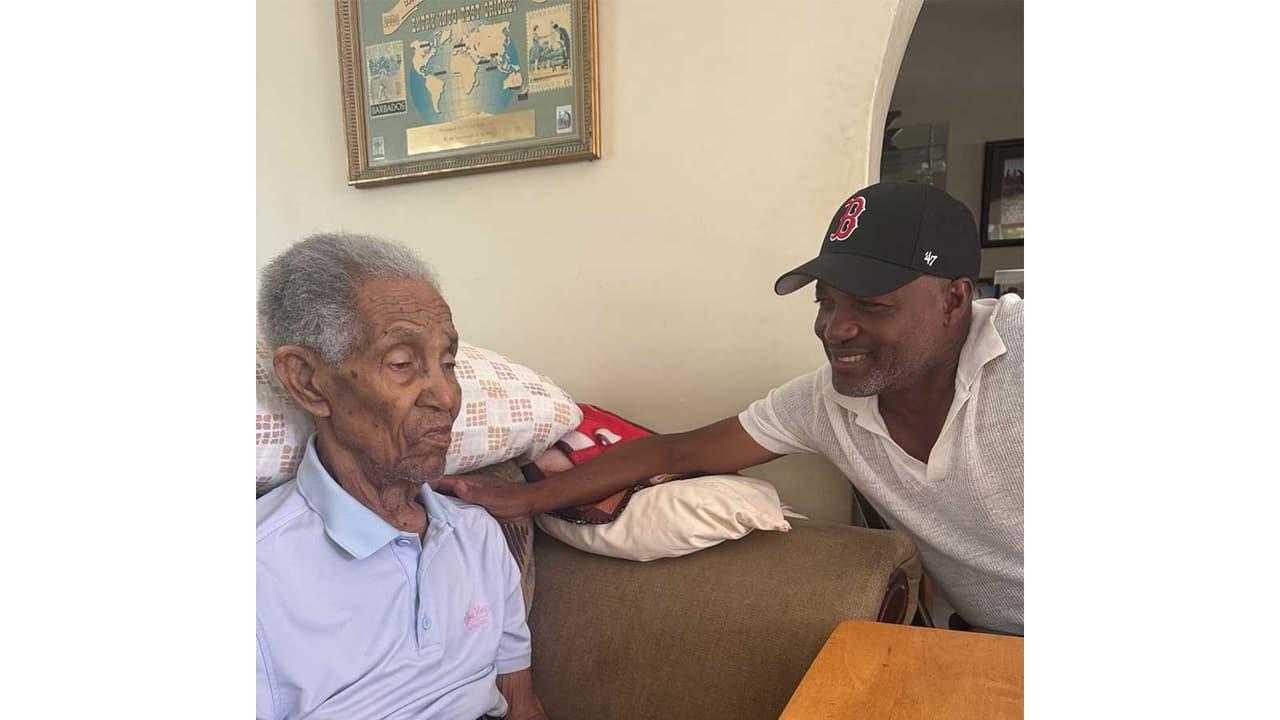
Born in Bridgetown on July 28, 1936, Sobers' journey was one of resilience. The loss of his father during the Second World War when he was just five years old did not dampen the ascent of a boy who would eventually be named a National Hero of Barbados. Even the physical anomaly of being born with an extra finger on each hand—later removed—could not impede the dexterity that would define his batting.
His rise was meteoric. Making his first-class debut for Barbados at 16 as a spinner, he was a seven-wicket match haul success before being called up to the West Indies Test side in 1954. He would go on to captain the West Indies for seven years between 1965 and 1972, a period that cemented his status as "King Cricket."
His impact extended to the English domestic circuit as well. At Nottinghamshire, he was a transformative figure, lifting the club from 15th to fourth place in his first summer as captain. He amassed 7,041 first-class runs for the club, including 18 centuries, and took 281 wickets.
The Eternal Legacy
The honors bestowed upon him reflect a lifetime of service. Knighted by Queen Elizabeth II in 1975 and named one of Wisden's five cricketers of the twentieth century, his name remains etched into the very structure of the game. The ICC’s annual award for the leading men's player of the year, the Sir Garfield Sobers Trophy, ensures that every time the world's best player is honored, his name is spoken.
As the cricketing world settles into mourning, it is clear that while the man has passed, the standard he set—a standard of complete, unadulterated mastery—remains the ultimate goal for every child who picks up a bat or a ball.
Sources
These sources formed the evidence pack for this article. Links open the original publisher; inclusion does not imply endorsement.
- Soham Mukherjee Sat, July 18, 2026 at 4:29 AM UTC · 6 min read original
- Arunabha Sengupta original
- skysports.com original
- newsable.asianetnews.com original
- lokmattimes.com original
- Patrick Austen-Hardy original
- indianeconomicobserver.com original