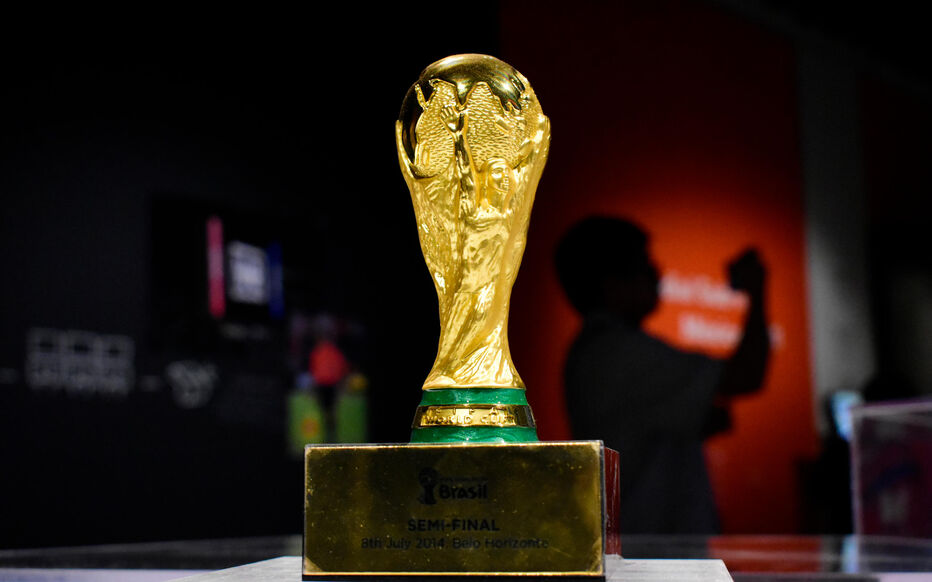
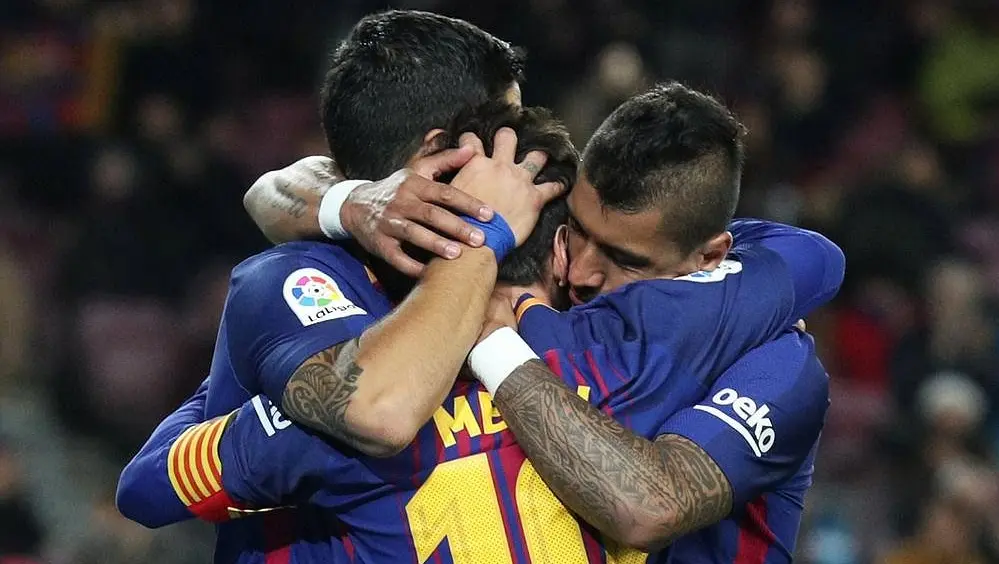
When Didier Deschamps leads the French national team out for the final time against England at the Hard Rock Stadium in Miami, an eighteen-year chapter of tactical pragmatism draws to a close. Over 185 matches across fourteen years, Deschamps anchored his managerial identity in defensive resilience, a compact block, and vertical transitions. Yet, the manner of France's exit in the World Cup semi-finals against Spain—marked by a stark lack of attacking output and structural rigidity in midfield—exposed the ceiling of that survivalist framework. As the dust settles on North America, the French Football Federation (FFF) under Philippe Diallo is not merely replacing a coach; they are orchestrating a complete spatial and operational reset under Zinédine Zidane.
The Regulatory Calendar and the July 21 Deadline
While the open secret of Zidane's appointment has circulated through French media for months, the mechanical execution of the contract has been governed by rigid institutional timelines. FFF president Philippe Diallo navigated a delicate balancing act, refusing to destabilize Deschamps’ final tournament preparation while quietly locking down terms with Zidane’s historical agent, Alain Migliaccio. Crucially, the Federation moved to secure the paperwork ahead of an incoming shift in French football governance.
The urgency to finalize the agreement before July 21 was driven by the adoption of a new governance law for French football by the assembly. Securing the signature prior to this date bypasses mandatory ministerial validation under the new texts, though sports minister Marina Ferrari had already signaled approval regarding Zidane's financial terms. Furthermore, because this transition bypasses the need for an exhaustive Executive Committee (Comex) review—none of which were scheduled until September 10—Diallo retained the agility to push the announcement through immediately following the conclusion of the tournament.
Rebuilding the Machine: Staff Expansion and Data Deployment
Observable data from Zidane’s tenure at Real Madrid highlighted a reliance on tight technical coordination and fluid player relationships. However, his deployment at the helm of Les Bleus introduces a significantly enlarged operational footprint. Unlike Deschamps' entirely male, tightly knit group, Zidane’s blueprint involves a staff projected to scale past 25 individuals. This expansive structure features a notable pivot toward functional departmentalization, incorporating a strong emphasis on data analysis and a deliberate feminization of support roles.
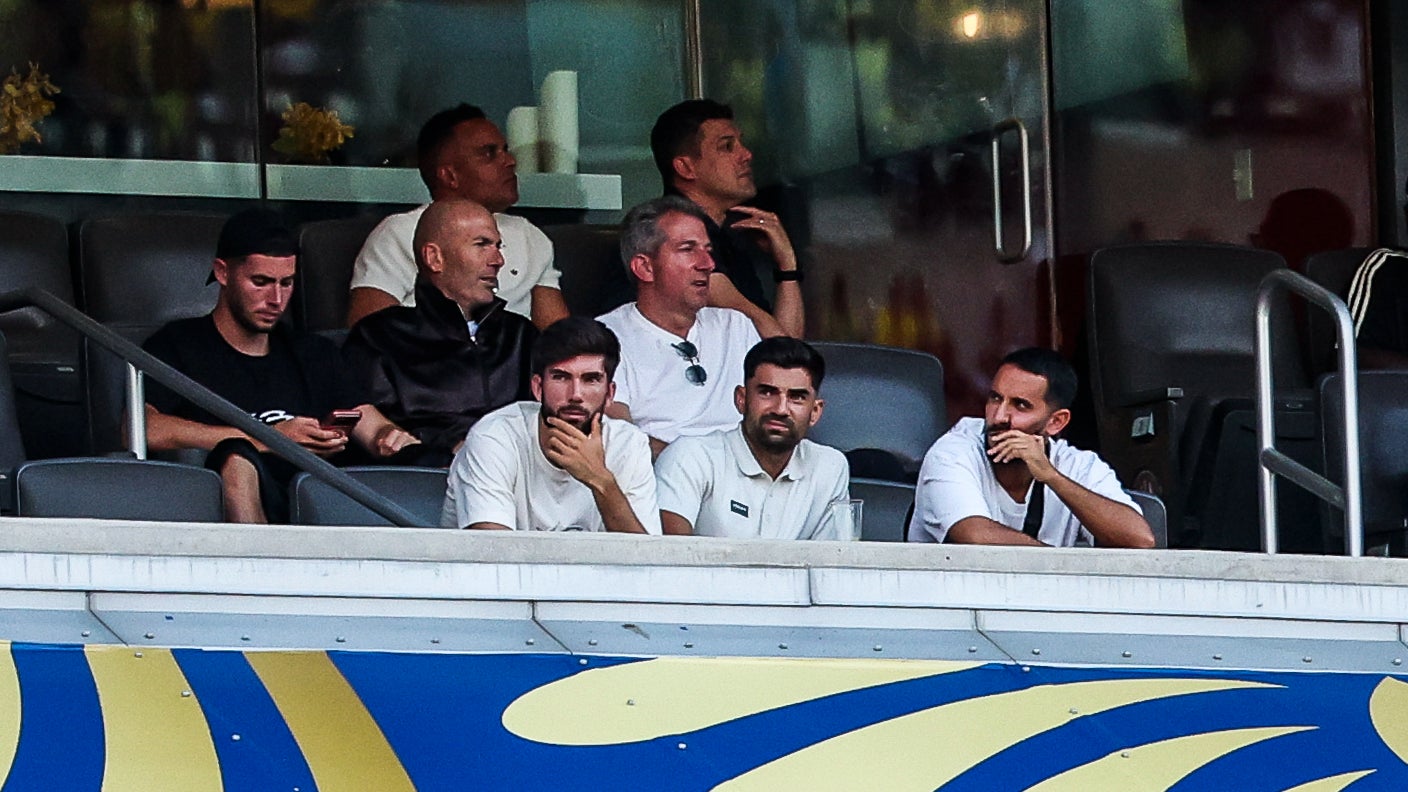
The core vertebral column of his staff relies on trusted lieutenants from his Madrid days, including long-time assistants David Bettoni and Hamidou Msaidie, alongside discussions to integrate Fabien Barthez into a specialized goalkeeping coaching role. By embedding dedicated analytical units, Zidane aims to bridge the tactical gap that modern international powerhouses like Spain exposed during the summer showcase.
The Tactical Inheritance and Spatial Rebuilding
Zidane inherits an elite talent pool containing a 2018 World Cup title, a 2022 final appearance, and a 2021 UEFA Nations League crown, but the pitch mechanics require urgent structural repair. The central midfield—critically exposed during the tournament against Spanish possession structures—lacks a top-tier defensive anchor capable of dictating tempo. With profiles like Ayyoub Bouaddi opting for Morocco and established figures showing physical limits, Zidane faces an immediate personnel puzzle.
- The Core Axis: Zidane has traditionally favored utilizing a true number ten, making the technical synergy between Kylian Mbappé and Michael Olise the presumptive cornerstone of his attacking architecture.
- The Defensive Flanks: Fullback areas require immediate tactical intervention following structural breakdowns in North America, demanding high-functioning wide defenders who can contribute effectively to both build-up play and counter-pressing.
- The Operating Horizon: With official documentation pointing to an effective start date of September 1, 2026, the new manager faces a compressed runway.
The calendar leaves no room for an extended settling-in period. Les Bleus return to competitive action on September 25 against Turkey, followed by a demanding Nations League block that includes matches against Belgium on September 28, Italy on October 2, and the return fixture against Belgium on October 5. For Zidane, the transition from rumor to reality ends in the boardrooms of the FFF, but the true test of his tactical deployment begins the moment he names his first squad for the autumn fixtures.
Sources
These sources formed the evidence pack for this article. Links open the original publisher; inclusion does not imply endorsement.
- lequipe.fr original
- Loïc Grasset original
- madeinfoot.ouest-france.fr original
- Le10Sport.com original
- La Rédaction Closer original
- rmcsport.bfmtv.com original
- fr.news.yahoo.com original