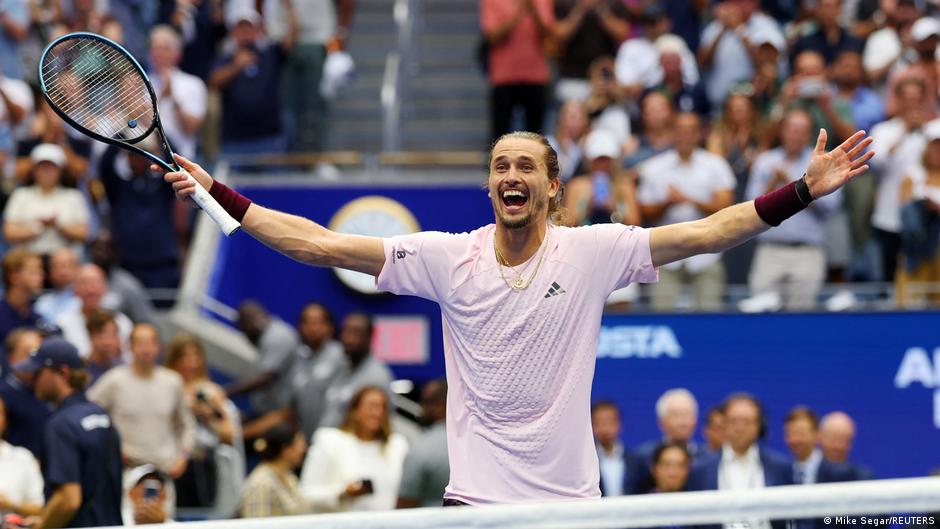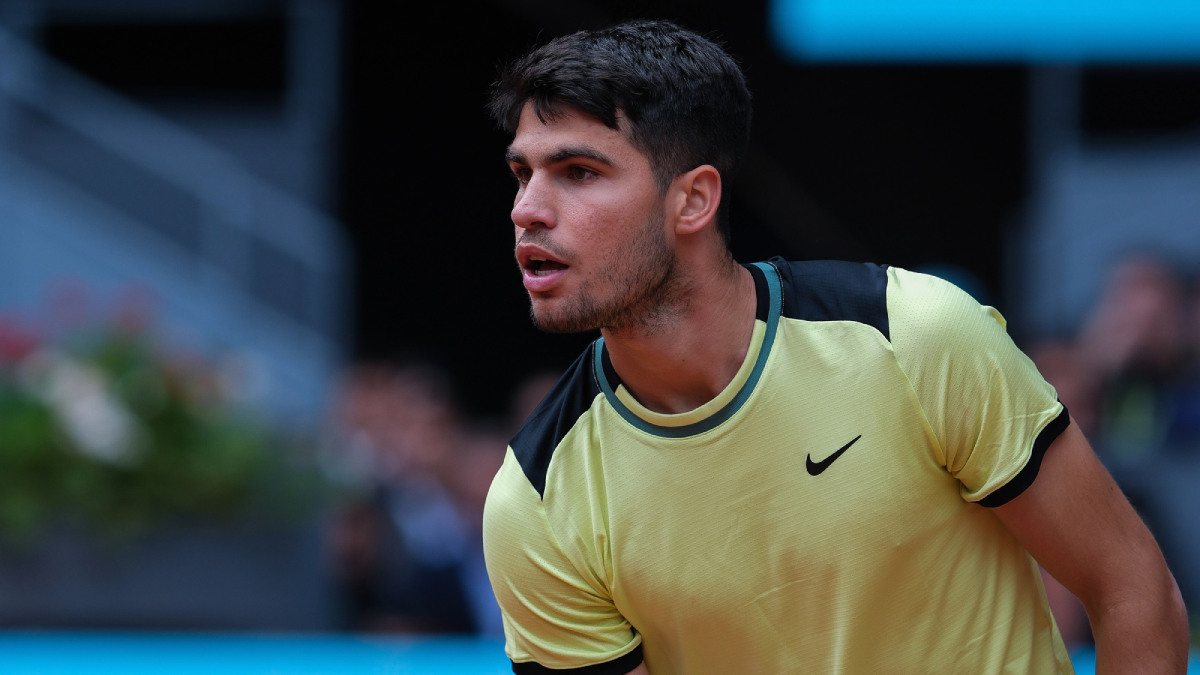
Symbolic choreography at the Met Gala in New York saw Serena Williams, Naomi Osaka, and Emma Raducanu trade places on the red carpet in fairytale gowns shortly after the US Open. Yet behind the glamour lies an unforgiving mechanical reality of the modern tour. As veteran agent Max Eisenbud noted regarding generational transition, the blueprint for marketing transcendent young talent relies on a potent mix of background, marketability, and raw capability. But turning early major success into sustainable longevity remains the ultimate sporting tightrope walk.
When Emma Raducanu navigated the treacherous waters of the 2021 US Open qualifying rounds, she shattered an unyielding historical precedent. Prior to the 18-year-old Briton, no player in the Open Era—male or female—had ever marched through the grueling preliminary rounds to capture a Grand Slam singles crown. Winning ten consecutive matches without dropping a single set on the slick New York hard courts, Raducanu bypassed the physical and mental fatigue that traditionally sidelines qualifiers by the third week. Legend Martina Navratilova captured the collective astonishment of the punditry on Twitter, declaring Ein Star ist geboren
and noting that the teenager's game possessed virtually no structural gaps—an extraordinary assessment for a player making her tour-level breakthrough.
That pattern of improbable, qualifier-driven destiny resurfaced emphatically at Roland Garros. Poland's Maja Chwalinska engineered her own clay-court fairytale by reaching the French Open final, defeating Diana Schnaider 7:6 (7:4), 6:4. In doing so, the 24-year-old joined rare air as only the second qualifier in tennis history to contest a major championship match. TV analyst Boris Becker echoed the historic echo from New York five years prior, declaring Ein Star ist geboren. Wer vor ein paar Wochen dieses Finale getippt hätte, hat jetzt einen Sechser im Lotto
on Eurosport. Chwalinska navigated nine consecutive victories in Paris, balancing an internal storm of nerves with external tactical variety.
The Economic Engine and the Burden of the Brand
The financial architecture surrounding these sudden arrivals has evolved far beyond the eras when Boris Becker or even Maria Sharapova scaled the summit. Raducanu's maiden major title instantly multiplied her career earnings with a 2.5 million dollar winner's check, while commercial projections whispered of unprecedented nine-figure branding potentials. Having registered her own name as a trademark to capitalize on apparel and merchandising ventures, Raducanu stepped into a commercial slipstream previously dominated by Naomi Osaka.
However, commercial hyper-visibility carries distinct psychological hazards. Reflecting on the intense scrutiny that followed her three Grand Slam titles, Osaka's struggles served as a cautionary tale across the locker room. Raducanu herself experienced the suffocating weight of domestic expectation during her Wimbledon main-draw debut, where she was forced to retire in the fourth round due to dizziness and shortness of breath brought on by sudden, overwhelming national pressure. Navigating the paster-coaster of public adoration and fierce critique requires an internal resilience rooted as much in familial discipline as athletic prowess.
Comparative Trajectories of Teenage Breakthroughs
The phenomenon of the teenage phenom is defined by contrasting paths of preparation and mental fortification. The following overview highlights how modern prodigies have disrupted traditional tour hierarchies:
| Player | Tournament & Year | Defining Milestone | Key Catalyst |
|---|---|---|---|
| Emma Raducanu | US Open 2021First qualifier in history to win a Grand Slam title | Flawless ten-match run without dropping a set | |
| Second qualifier ever to reach a major final | Variant clay-court play and nine-match winning streak | ||
| Amanda Anisimova | French Open 2019First player born in 2000 to reach a major semifinal | Defending champion upset over Simona Halep |
Behind these statistical milestones lies a rigorous psychological makeup. Raducanu frequently credits her mathematical background and her parents' rigorous financial industry work ethic for instilling a logical approach to problem-solving on the court. Her mother imparted a foundational resilience, while her father fostered methodical analytical structures. This distinct combination of multicultural discipline allowed her to compartmentalize the immense external noise, treating the tour not merely as a pressurized crucible, but as a series of tactical puzzles to be solved.
Forward Implications for the Tour Landscape
As veteran icons like Serena Williams navigate the demanding anti-doping testing pools and contemplate the twilight of their historic careers—complaining candidly of the rigid whereabouts rules that complicate daily parenting and professional life—the sport's gravitational pull shifts decisively toward the younger cohorts. The emergence of unseeded teenagers and deep-run qualifiers in successive majors signals that the traditional gatekeepers of the tour face an increasingly fearless generation.
Ultimately, the transition from an overnight sensation to an enduring fixture of the sport demands the exact balance that Raducanu, Chwalinska, and their contemporaries strive to maintain: insulating oneself from the external hype machine while treating every tactical exchange on the court with absolute autonomy. Whether these modern fairytales harden into enduring dynasties will depend entirely on their capacity to weather the inevitable turbulence of the professional circuit.
Sources
These sources formed the evidence pack for this article. Links open the original publisher; inclusion does not imply endorsement.
- Annegret Handel-Kempf original
- newsroom.porsche.com original
- Moritz Leihkamm, WELT original
- sport1.de original
- sportnews.bz original
- Daniel Sobolewski original
- koha.net original