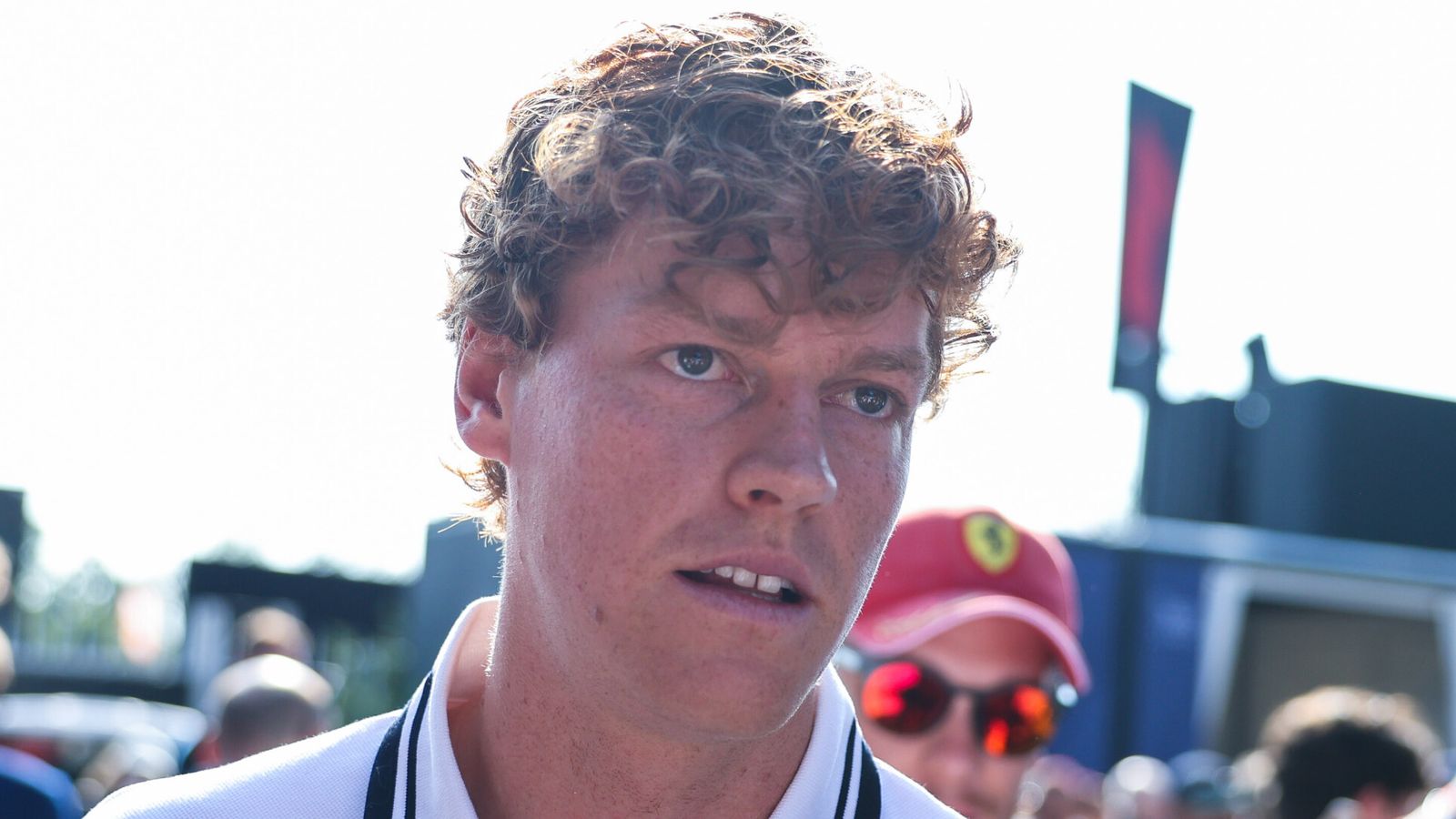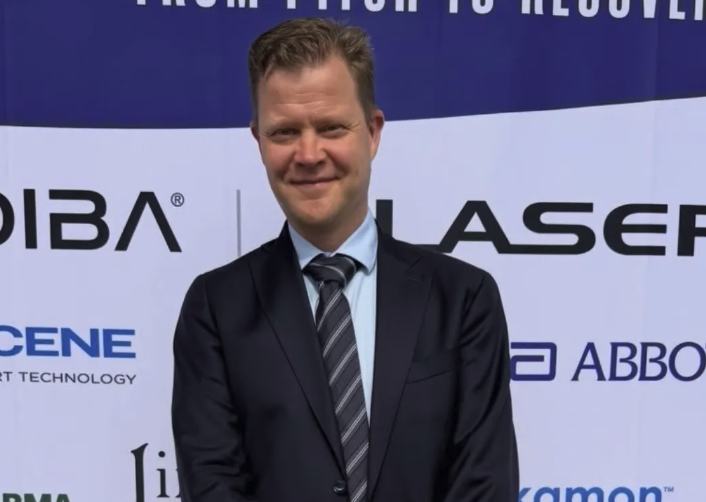
The scalpel has settled what months of conservative management could not. Jannik Sinner underwent successful right knee surgery Monday in Turku, Finland, where Professor Lasse Lempainen performed an iliotibial band lengthening procedure on the World No. 2. The operation went according to plan, according to team physician Herbert Schönhuber, who accompanied Sinner from Bolzano to Finland.
Yet the successful outcome carries a definitive calendar consequence: the three-to-four-month recovery window eliminates Sinner from the Australian Open starting January 19, and makes Indian Wells (March 3) an aggressive target at best. Miami (March 17) emerges as the more realistic comeback marker, with Monte Carlo (April 4) as the next clay-court milestone.
The Medical Trail: From Grass Slip to Finnish Operating Room
The pathology traces to the aftermath of Wimbledon. Since his July 12 triumph on grass, Sinner has not competed, the lateral knee pain diagnosed as chronic iliotibial band syndrome — commonly known as "runner's knee." The iliotibial band, a thick connective tissue running down the outer thigh to the knee, had been rubbing against the lateral femoral condyle, creating persistent inflammation that resisted months of non-surgical treatment.
October brought a pivotal evaluation at Milan's La Madonnina clinic, which collaborates with Lempainen's Turku facility. Lempainen, a former student of legendary sports surgeon Sakari Orava (whose patients included Marco van Basten, David Beckham, and Pep Guardiola), examined Sinner in Milan last weekend before finalizing the surgical plan. His résumé includes Juventus defender Pierre Kalulu and former Milan man Alessandro Florenzi.
Why Lengthening Over Release?
Lempainen chose the less invasive option: lengthening the band rather than a full release. As Schönhuber explained to Rai Südtirol, this approach reduces tension on the lateral knee while preserving structural integrity — "the least invasive and least traumatic solution to resolve the problem definitively." The procedure typically requires three months before resuming training, followed by progressive strengthening of hips and glutes before unrestricted ball-striking.
ATP Italy medical chief Giovanni Di Giacomo endorsed the specialist choice: "Lempainen is not just a knee specialist, but specifically of tendinopathies." Di Giacomo noted a biomechanical chain linking Sinner's hip issues to the knee overload — "the defect of one part can be compensated by another movement that eventually creates a problem" — and observed that "pathology from overload has a relationship with height" at elite tournament volumes.
Ranking Math and the Zverev Window
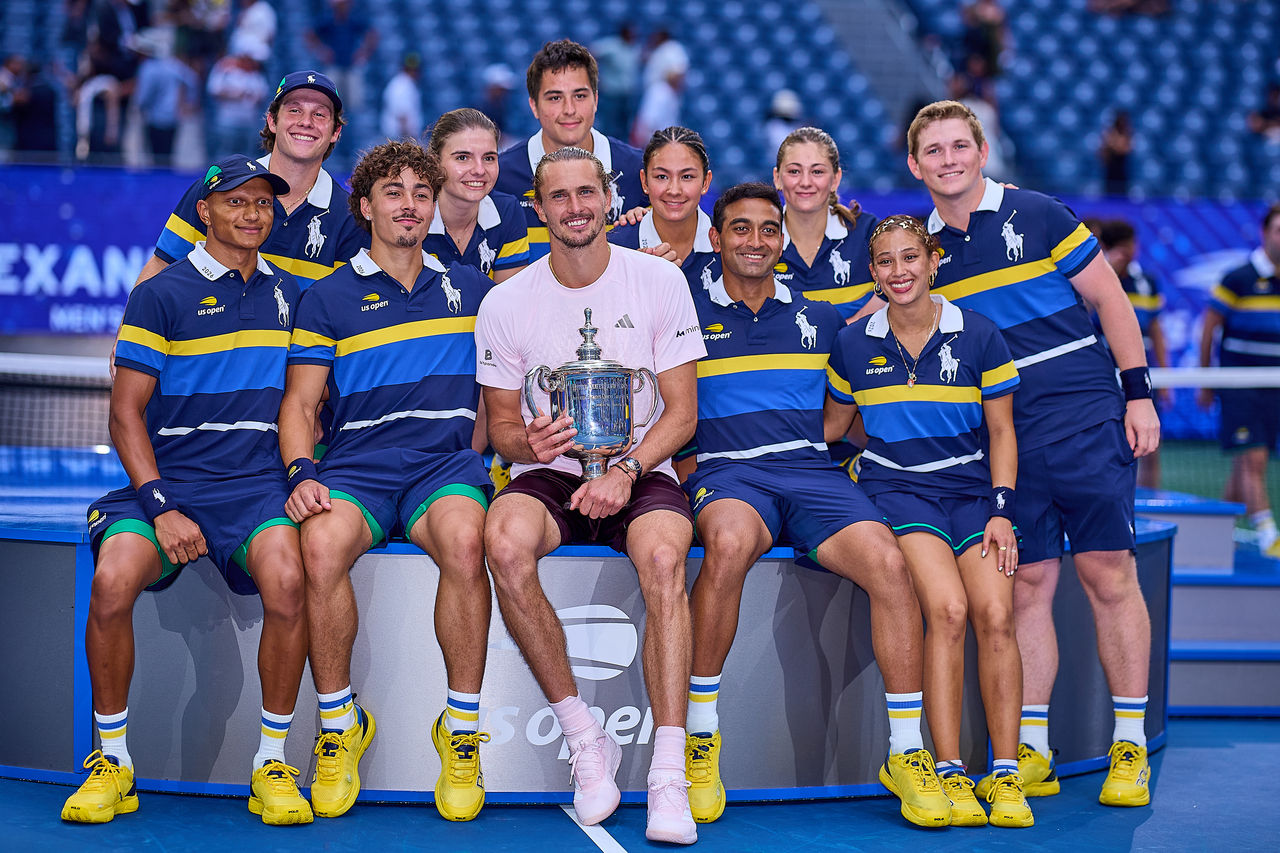
Sinner's absence hands Alexander Zverev a clear runway at World No. 1. The German, currently No. 2, can cement the top spot through the Australian swing without facing his primary rival. Sinner's 2025 Australian Open final points (1,200) drop off in January, while Zverev defends only a quarterfinal showing (360). The arithmetic favors Zverev regardless of his Melbourne result.
Davis Cup Context and Veteran Counsel
From Bologna, where Italy opens its Davis Cup Final Eight campaign against South Korea, captain Filippo Volandri revealed Sinner assured him "he will return" and remains engaged via the team chat. Matteo Berrettini, no stranger to injury layoffs, offered the veteran's mantra: "The secret now is not to rush and come back at 100%." Flavio Cobolli called Sinner's absence "a loss for the whole Italian movement," while Lorenzo Musetti labeled him "the engine of Italian tennis."
The Rehabilitation Reality
Three months brings the calendar to late February — theoretically allowing Indian Wells preparation. But "theoretical" and "tournament-ready" occupy different zip codes in tendinopathy rehab. The strengthening phase, particularly hip and glute work to address the kinetic chain Di Giacomo described, often dictates the true return date. Miami's second-week start offers two extra weeks of cushion. Monte Carlo's April launch provides a full month more.
Sinner turns 25 in August. Di Giacomo's observation resonates: "After 30 you learn to manage yourself, look at Federer." The challenge now is whether a 25-year-old at peak physical demand can master that management before the body forces it.
Sources
These sources formed the evidence pack for this article. Links open the original publisher; inclusion does not imply endorsement.
- ilcorrieredelgiorno.it original
- oasport.it original
- rainews.it original
- dire.it original