When international tournaments reach their boiling point, the gap between structural discipline and individual brilliance becomes an unbridgeable chasm. Across a turbulent window of World Cup knockout action, pre-tournament favorites were humbled not merely by superior scorelines, but by tactical masterclasses that exposed the fragility of star-studded rosters and political distractions alike.
Spain's Midfield Stranglehold Blindsides Les Bleus
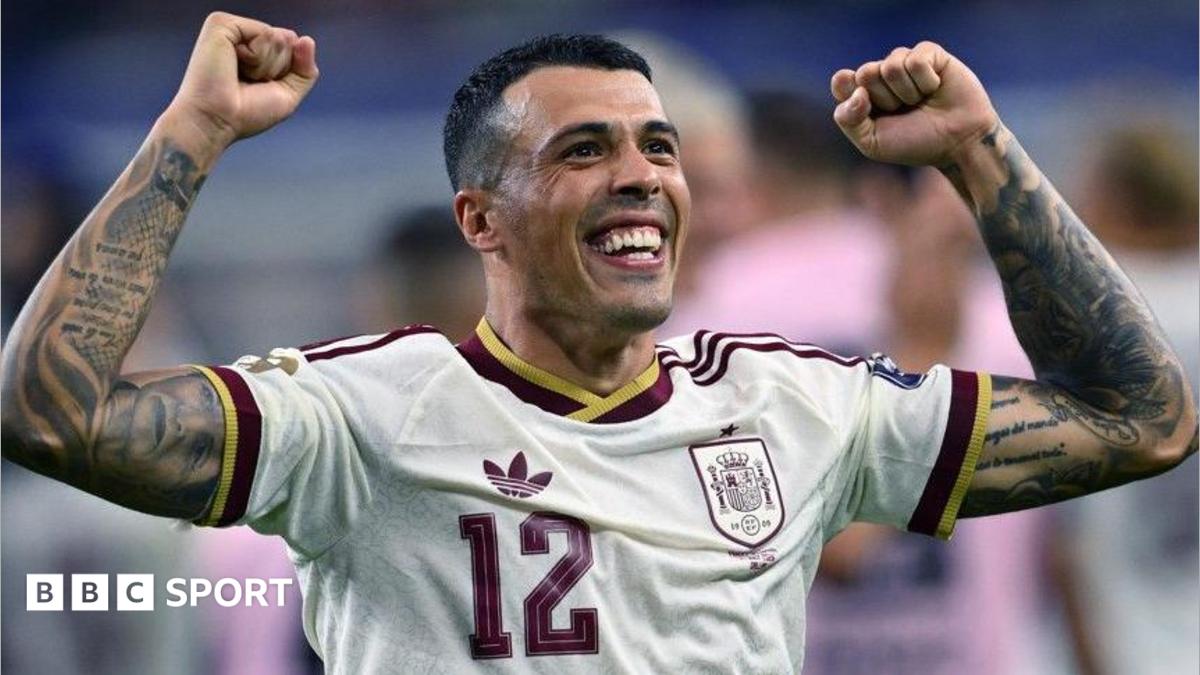
Going into their high-profile semi-final, Les Bleus carried the weight of overwhelming favoritism. Cruising through the tournament with attacking powerhouses like Kylian Mbappe, Ousmane Dembele, and Michael Olise, France looked virtually untouchable. Yet Luis de la Fuente’s Spain dismantled that aura entirely, securing a 2-0 victory that felt far more lopsided than the scoreline suggests.
Spain suffocated France by neutralizing Michael Olise and exploiting a passive 4-4-1-1 French defensive block that defended zonally rather than tracking individual runners. Dani Olmo orchestrated the tactical chaos as a roaming number 10, repeatedly dropping deep to create a numerical 3-v-2 advantage in midfield. As former Arsenal defender Ian Wright observed, it was a clear victory of structure over individuality.
Key metrics underline the sheer dominance of De la Fuente's side:
- Unbeaten Run: Spain equalled Italy's record for the longest unbeaten run in international football at 37 matches.
- Defensive Fortitude: Spain became the first team in World Cup history to keep six clean sheets at a single edition.
- Stifling Press: The 0.3 expected goals (xG) figure faced against France was the lowest by any nation in a World Cup semi-final since Sweden faced Brazil in 1994.
With Mikel Oyarzabal converting a penalty and Pedro Porro finishing a brilliantly worked team move, Spain booked their spot in the final, leaving French World Cup winner Patrick Vieira to concede that Spain had dominated every single aspect.
The US Dream Fizzles Amid the Balogun Saga
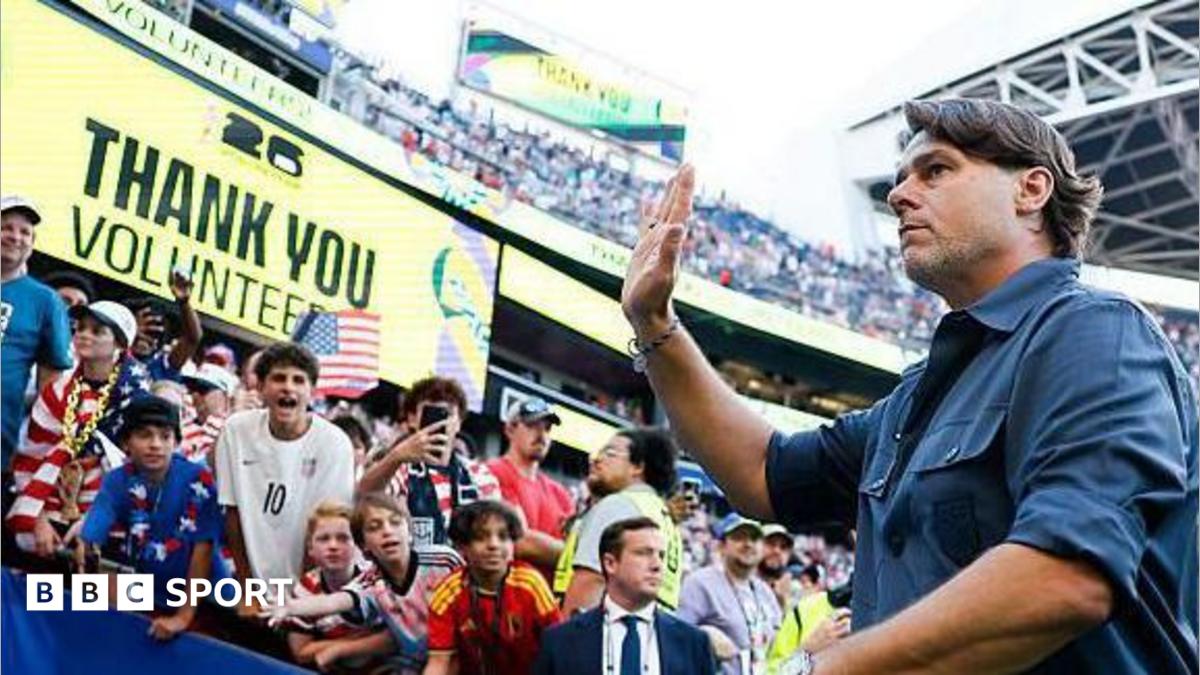
Co-hosting the tournament alongside Canada and Mexico, the United States entered their last-16 clash against Belgium riding a wave of patriotic fervor and an attacking swagger instilled by manager Mauricio Pochettino. But that momentum evaporated in a 4-1 rout at Seattle Stadium—the heaviest US defeat since 1990.
The build-up was entirely overshadowed by controversy surrounding Folarin Balogun. After receiving a straight red card in the previous round against Bosnia-Herzegovina, FIFA made the shock decision to suspend his automatic one-match ban for 12 months, allowing him to start. The intervention drew widespread criticism from UEFA, Belgium, and England boss Thomas Tuchel, alongside high-profile commentary from US President Donald Trump, who publicly asked FIFA to review the foul.
While Pochettino insisted the circus did not affect his team's performance, defensive frailties laid the US bare. Charles De Ketelaere was left unmarked to tap in the opener, and later punished hesitant goalkeeping by Matt Freese to spark a devastating Belgian onslaught that silenced the partisan crowd long before Romelu Lukaku added a fourth in injury time.
The Grassroots Engine: Flag Football's Olympic Horizon
Away from the senior FIFA stages, the sport of football continues to expand through entirely different structural pipelines. Amid findings from GEYOUth Insights showing that only 1 in 4 kids achieve recommended daily physical activity—hindered by lack of time, energy, and confidence—programs like NFL FLAG-In-School are widening the playing field.
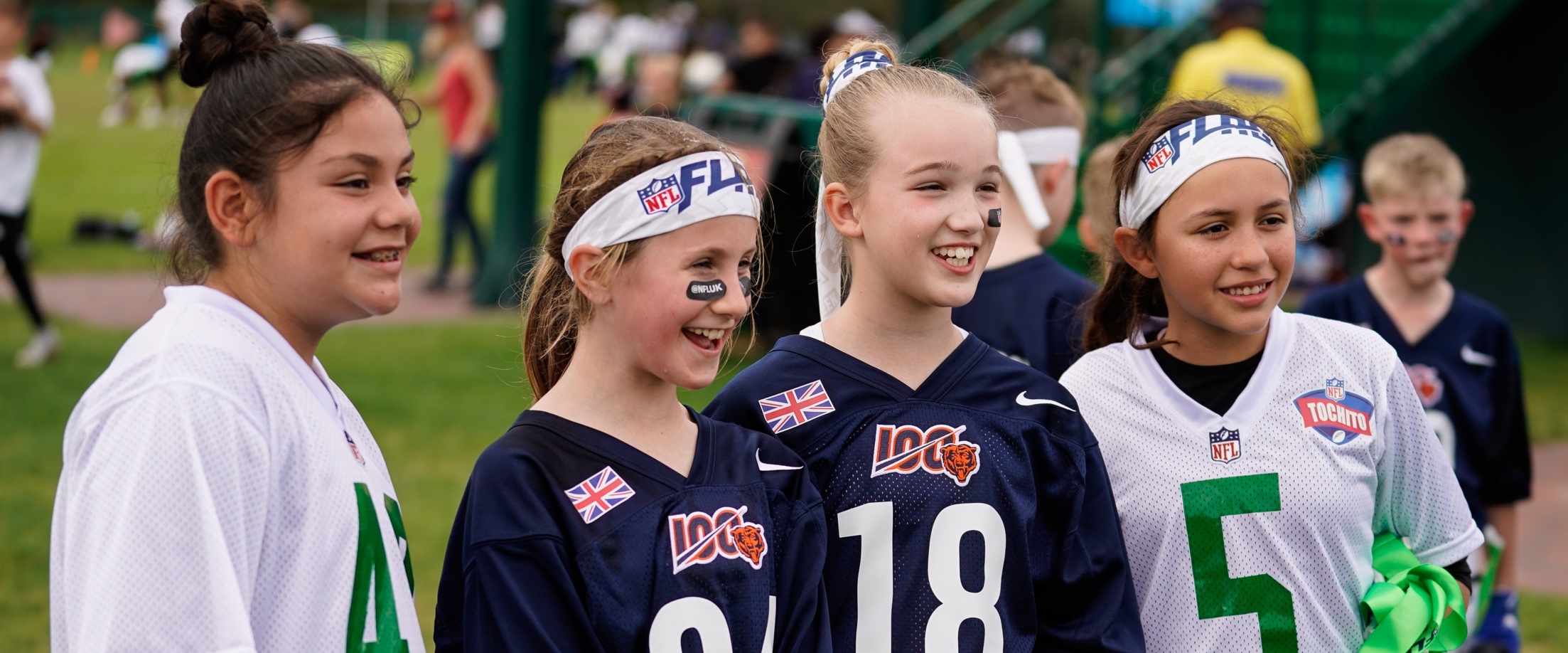
Providing turnkey solutions of 50 flags, age-appropriate footballs, and holistic wellness curricula to educators across the United States, the initiative has helped turn flag football into one of the nation's fastest-growing team sports. That grassroots momentum culminates in its upcoming debut as a featured Olympic sport at the 2028 Games in Los Angeles, proving that the sport's global footprint is expanding from both the top-down masterclasses of Madrid and the bottom-up integration of school gymnasiums.
Sources
These sources formed the evidence pack for this article. Links open the original publisher; inclusion does not imply endorsement.
- bbc.com original
- bbc.co.uk original
- genyouthnow.org original