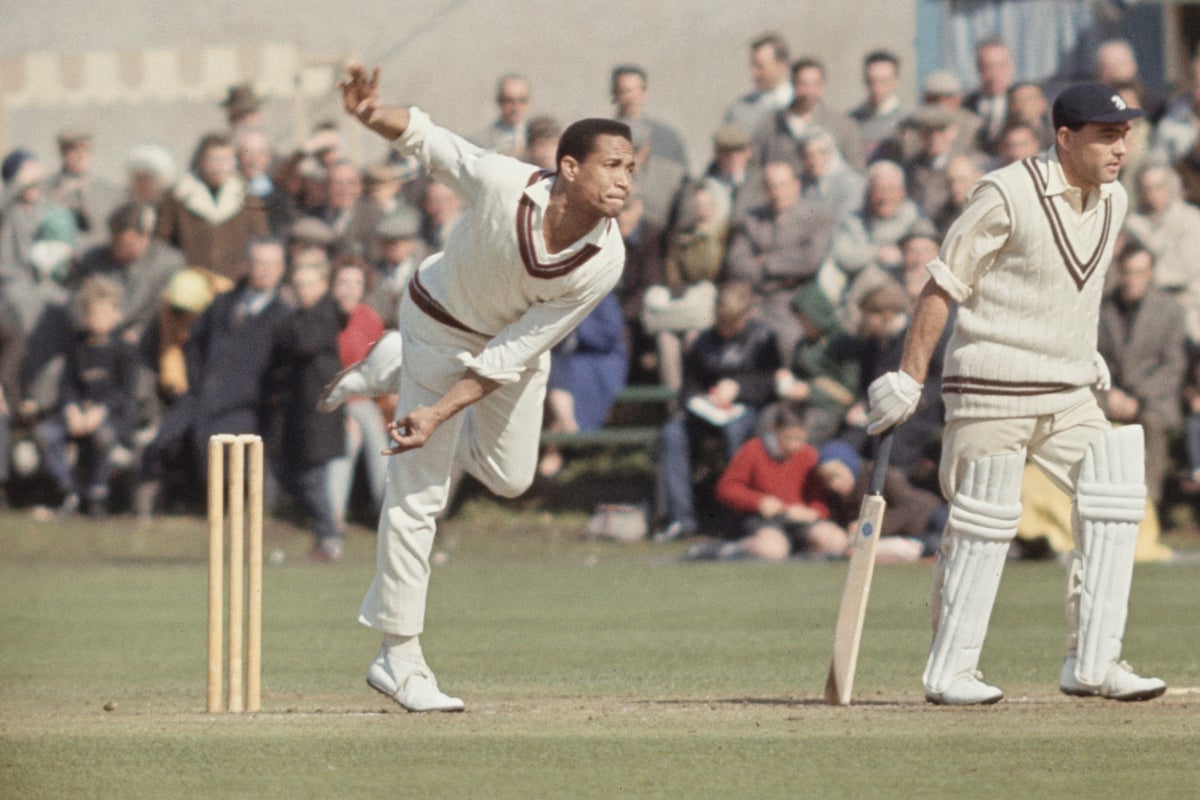
Cricket has lost its most complete practitioner. Sir Garfield St Aubrun Sobers, the West Indies legend whose mastery of bat and ball effectively invented the modern template for the all-rounder, died on Friday at age 89. His passing leaves a void in the sport that transcends mere statistics, closing the chapter on a life that moved from the impoverished streets of St Michael, Barbados, to the absolute zenith of international acclaim.
Born in 1936, Sobers was, as he often noted with his characteristic humility, forged in the heat of a childhood defined by struggle. The son of a merchant seaman who lost his life in the Second World War, the young Sobers played a small-sided game often referred to as 'Lilliputian cricket,' using bats fashioned from coconut branches and balls made of rags and tar. It was a humble beginning for a man who would go on to be named one of the five leading cricketers of the 20th century by Wisden.
The breadth of his talent remains the stuff of sport’s most enduring folklore. As a batsman, he was both destructive and graceful, setting a world record in 1958 by scoring 365 not out against Pakistan—a benchmark for individual Test innings that stood for 36 years. Yet, it was his tactical versatility that baffled opponents. Sobers was a one-man bowling attack, capable of switching seamlessly from left-arm pace to wrist spin or finger spin depending on the requirement. Add to this a prowess in the field—particularly in dangerous close-to-the-wicket positions—and one begins to understand why the legendary Don Bradman once remarked, I've got no hesitation at all in saying that Garry Sobers is the greatest all-round cricketer I ever saw.
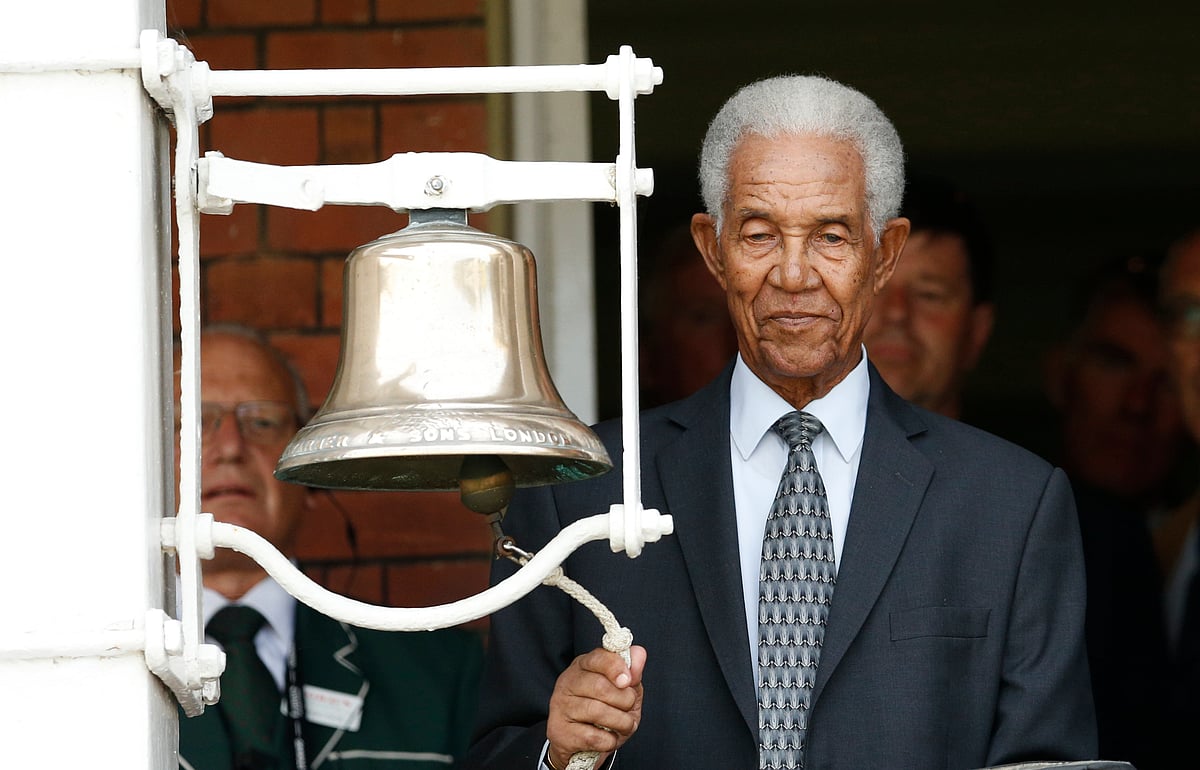
His career was not without its turbulent currents. His 1970 decision to play in apartheid-era Rhodesia sparked an international firestorm and brought him to the brink of losing his West Indies captaincy—a controversy he later acknowledged was born of a lack of political foresight. There were deep personal trials, including a road accident that claimed the life of his roommate and teammate, Collie Smith. However, Sobers’ stature only grew with time. Knighted in 1975, he became a symbol of post-colonial pride in the Caribbean, eventually being named one of the 10 National Heroes of Barbados.
Perhaps his most iconic singular moment occurred in 1968 at Swansea, where he became the first batsman to strike six sixes in a single first-class over. Bowler Malcolm Nash was the victim of that relentless ambition. Even in that moment of unparalleled dominance, Sobers remained characteristically pragmatic, stating, Six sixes are not good cricket. It was an occasion where we were looking for quick runs.

In retirement, Sobers remained a sage of the game. As Eric Brown noted, the legend was often found to be unexpectedly accessible, showing patience and consideration to journalists long after his playing days concluded. Whether navigating the complexities of his own legendary status or reflecting on his early days playing for scraps in the road, he consistently rebuffed the label of 'genius.' I do believe that what I achieved was not just because of the ability that I was born with but also because I worked hard,
he insisted late in his life.
As the cricket world pays tribute to the 'King,' the legacy left behind is not just a collection of 8,032 Test runs or 235 wickets. It is the memory of a player who turned every match into an event—a man who, as Dennis Lillee once put it, could be described as the superman of cricket. The game will move forward, but the standard Sobers established for the perfect all-rounder remains as solitary as it was when he first walked out to bat.
Sources
These sources formed the evidence pack for this article. Links open the original publisher; inclusion does not imply endorsement.
- independent.co.uk original
- Jon Holmes original
- Reuters original
- onthisday.com original
- Balakrishna original
- britannica.com original