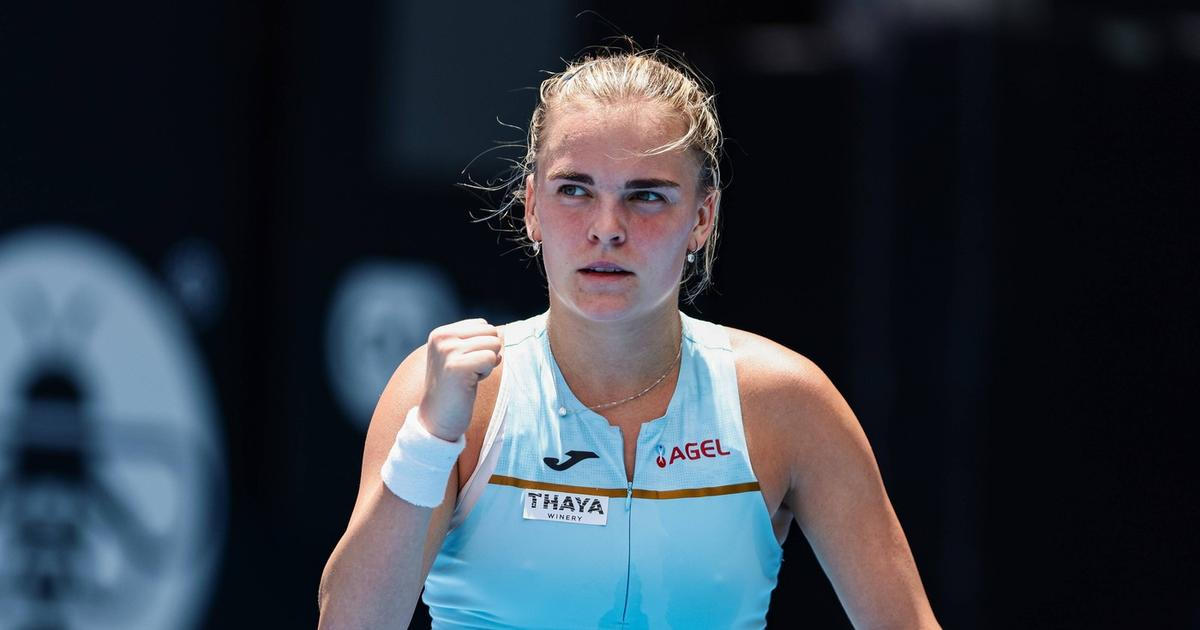
When twenty-year-old Sára Bejlek walked off the court after two hours and thirty-seven minutes of exhausting tennis at the Cincinnati Open, she had carved her name into a new tier of the sport. Having already stunned world number one Aryna Sabalenka in the previous round, the Czech left-hander dug deep into her physical and emotional reserves to defeat last year’s Australian Open champion, Madison Keys, 3:6, 6:4, 7:6(5). The victory propels her into her maiden career WTA 1000 semi-final and lifts her to a career-high 29th in the live WTA rankings.
The path to the final four was anything but routine. Keys came out firing with maximum aggression, pinning Bejlek deep behind the baseline and capitalizing on shorter deliveries. The first set slipped away in 42 minutes, and when Keys seized a 3:1 lead in the second, the match threatened to slip out of reach. Yet, a tactical recalibration ordered by coach Jakub Kahoun—urging more heavy, high-arriving topspin into Keys' backhand and mixing in tactical slices—ignited the turnaround.
Bejlek explained her mindset shift after the victory: Hrála jsem zkrátka, jak jsem cítila. Moc jsem nepřemýšlela nad tím, co jsem měla dělat, ani nad tím, co mi kouč před utkáním říkal. To jsem vše zapomněla v okamžiku, když jsem vešla na kurt. Hrála jsem podle pocitu a to byl asi hlavní klíč,
as noted by sport.aktualne.cz.
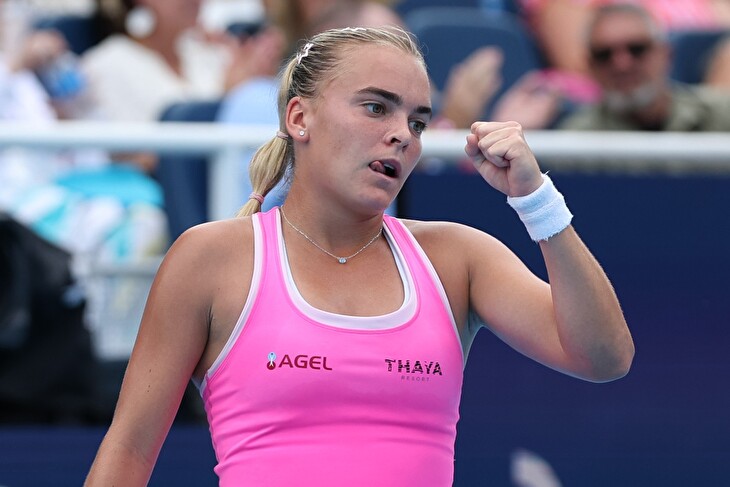
That intuition carried her through a turbulent deciding set. After surging ahead 4:1, Bejlek watched a commanding lead evaporate as Keys clawed back to level at 5:5, eventually pushing the set to a tie-break. Physically spent to the point of sitting on the court out of exhaustion during a changeover, Bejlek refused to fold. Trailing 4:5 in the tie-break, she snatched the final three points, capitalizing on a costly sixth double fault from Keys to convert her first match point.
The Statistical Shift and Tactical Reality
While Keys dictated much of the early proceedings with her booming forehand, the American’s aggression ultimately proved her undoing. Keys accumulated 47 unforced errors alongside six double faults, offsetting her heavy baseline pressure. In contrast, Bejlek relied on 21 clean winners, exceptional court coverage, and sheer defensive tenacity to weather the storm.
The triumph builds directly upon Bejlek's breakthrough earlier in the season when she claimed the WTA 500 title in Abu Dhabi. Kdybych měla tyto dva turnaje porovnat, tak jsou mi emocionálně hodně blízké. Nechávám tu na kurtech i mimo ně hodně emocí. Cítím se velice dobře,
Bejlek reflected, pointing out how the confidence gained in Abu Dhabi has translated directly to the North American hard courts.
The Semifinal Horizon: Facing Coco Gauff
Standing between Bejlek and a place in the championship match is home favorite Coco Gauff. The American world number four dispatched Ukraine's Marta Kostyuk in a brisk one hour and eleven minutes, winning 6:2, 6:2. Gauff enters the fixture carrying her own tactical evolution, having integrated advice from tennis legend Chris Evert to transition forward and finish points at the net with greater frequency.

For the 163-centimeter-tall Czech, the upcoming clash represents an entirely new tactical puzzle. Having never faced Gauff before, Bejlek is embracing the challenge without physical reservations: Fyzicky se na kurtu cítím výborně. Nic mě zdravotně netrápí a jsem za to ráda. Myslím, že já i celý zbytek týmu odvádíme teď výbornou práci,
she noted.
Evidence-Led Forecast
Tactical Pattern: Expect Gauff to test Bejlek’s endurance by using her explosive baseline mobility and deep redirection to prevent the Czech player from dictating tempo. Bejlek will need to replicate her resilient court coverage and deploy the heavy, high-bouncing topspin that neutralized Keys' backhand.
Decisive Matchup: The battle in transition. Gauff’s growing confidence at the net will challenge Bejlek’s passing shots, meaning the Czech must secure early initiative in rallies rather than sliding into purely reactive defense.
Strongest Counter-Case: Bejlek’s physical depletion after a grueling 157-minute quarterfinal battle against Keys could expose a vulnerability if Gauff accelerates the pace in the opening sets.
What Would Change the Read: If Bejlek manages to replicate her early third-set composure—maintaining deep baseline depth while keeping her unforced error count low—she can drag Gauff into prolonged, high-friction exchanges where emotional momentum becomes a decisive factor.
Sources
These sources formed the evidence pack for this article. Links open the original publisher; inclusion does not imply endorsement.
- tenisportal.cz original
- sport.aktualne.cz original
- sport.ceskatelevize.cz original
- ceskenoviny.cz original