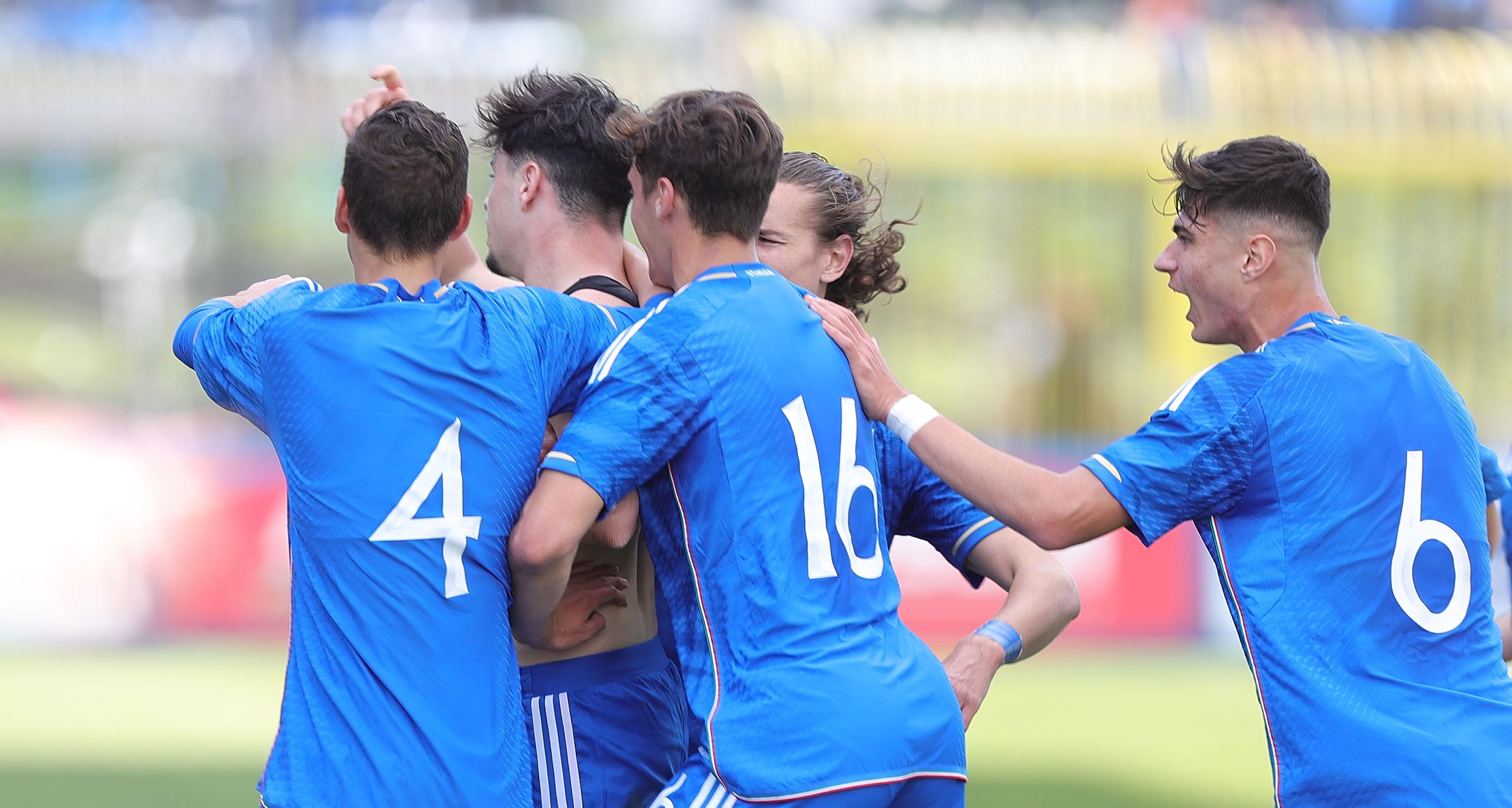
Carmine Nunziata faces an immediate tactical puzzle as Italy's Under-20 national team enters major international competition outside the traditional FIFA calendar windows. Navigating club refusals, key roster omissions, and high-stakes group dynamics in Mendoza, Nunziata has finalized a 21-man squad forced to balance youth development with immediate tournament survival. With key senior-level prospects unavailable and Serie A and B clubs withholding essential talent due to late-season domestic priorities, the Azzurrini must establish tactical coherence at speed.
Club Conflicts and Roster Reconstruction in Carmine Nunziata's Squad
The friction between national team duties and domestic club targets shaped Nunziata’s squad building. Established figures like Wilfried Gnonto, Giorgio Scalvini, and Fabio Miretti were held back due to their integration into the senior and Under-21 setups. Furthermore, several key members of Italy’s Under-19 European Championship core were retained by their respective clubs, including Diego Coppola and Filippo Terracciano (Verona), Giovanni Fabbian (Reggina), Marco Nasti (Cosenza), and Jacopo Fazzini (Empoli). Roma agreed to release midfielder Giacomo Faticanti and Niccolò Pisilli but refused permission for playmaker Cristian Volpato amid dual-front domestic and European commitments. Similarly, Benfica B retained Cher Ndour for their decisive season finish.
Despite these absentees, Nunziata’s 21-player selection features technical depth across age brackets. Udinese starlet Simone Pafundi, born in 2006, enters as the youngest player but brings senior national team experience. He is joined by 2005-born talents Francesco Pio Esposito (Inter) and Luca Lipani (Genoa), along with 2004-born defender Gabriele Guarino (Empoli). The 2003 cohort forms the backbone, anchored by Tommaso Baldanzi (Empoli), Cesare Casadei (Reading F.C.), Matteo Prati (Spal), and goalkeeper Sebastiano Desplanches (Trento).
| Birth Year | Key Selected Players | Club Representation |
|---|---|---|
| 2006 | Simone Pafundi | Udinese |
| 2005 | Francesco Pio Esposito, Luca Lipani | Inter, Genoa |
| 2004 | Giacomo Faticanti, Niccolò Pisilli, Gabriele Guarino | Roma, Empoli |
| 2003 | Tommaso Baldanzi, Cesare Casadei, Matteo Prati, Sebastiano Desplanches | Empoli, Reading F.C., Spal, Trento |
The Mendoza Gauntlet: Conmebol Champions, Physicality, and Historical Echoes
Group D in Mendoza at the Stadio Malvinas Argentinas presents a formidable challenge. Italy opens against South American Sub-20 champions Brazil, followed by a physically commanding Nigeria side—who finished third in the African U20 championship—before closing group play against the Dominican Republic. Head coach Nunziata directly addressed the structural hurdles facing his squad:
"Viste le tante assenze, in questo gruppo ci sono necessariamente molte novità e diversi giocatori sotto età. Nel poco tempo che ci rimane, dovremo diventare una squadra ed avere un gioco. Non sarà facile anche perché siamo capitati in un girone molto ostico."
Historical precedent offers an encouraging parallel. During the 1987 U20 World Cup in Chile, Italy faced a strikingly similar group composition containing Brazil, Nigeria, and Canada. After an opening 2-2 draw with Canada featuring goals from Impallomeni and Melli, Italy defeated Brazil 1-0 via Rizzolo and comfortably topped Nigeria 2-0 through Melli and Carrara to capture first place in the group, prior to a quarterfinal exit against host nation Chile.
Parallel National Duty: Tirrenia Camps and Adaptive Preparations
The momentum across Italian national team operations extends beyond traditional football setups. At the Centro di Preparazione Olimpica di Tirrenia, national team technical director Carlo Di Giusto convened joint intensive camps for both the Under-22 and Women’s National Wheelchair Basketball squads. Featuring a 14-player Under-22 roster alongside senior women's standouts like Chiara Coltri, Jennifer Feltrin, Beatrice Ion, and Ilaria D'Anna, the sessions under coaches Roberto Ceriscioli and Fabio Castellucci target structural chemistry while waiting on IWBF Europe's updated competition calendars.
Whether managing the squad dynamics of football in Mendoza or maintaining preparation rhythms in Tirrenia, Italian national team programs rely on adaptability under pressure. For Carmine Nunziata's Azzurrini, converting late roster adjustments into collective cohesion against Brazil and Nigeria remains the ultimate test of tournament execution.
Sources
These sources formed the evidence pack for this article. Links open the original publisher; inclusion does not imply endorsement.
- figc.it original
- camillafascina.com original
- federipic.it original