Memory thrives when integrated into active modern infrastructure rather than isolated inside static archives. Across Western Europe and international trade forums, institutional preservation hinges on physical access, strategic context, and continuous public engagement. Whether tracing Allied troop movements across Luxembourg borderlands, spotlighting ancient Silk Road trade nodes in Paris, or interrogating psychological themes in retrospective film screenings, historical continuity serves as the foundational architecture for present identity.
Luxembourg’s Remembrance Network and Industrial Corridors
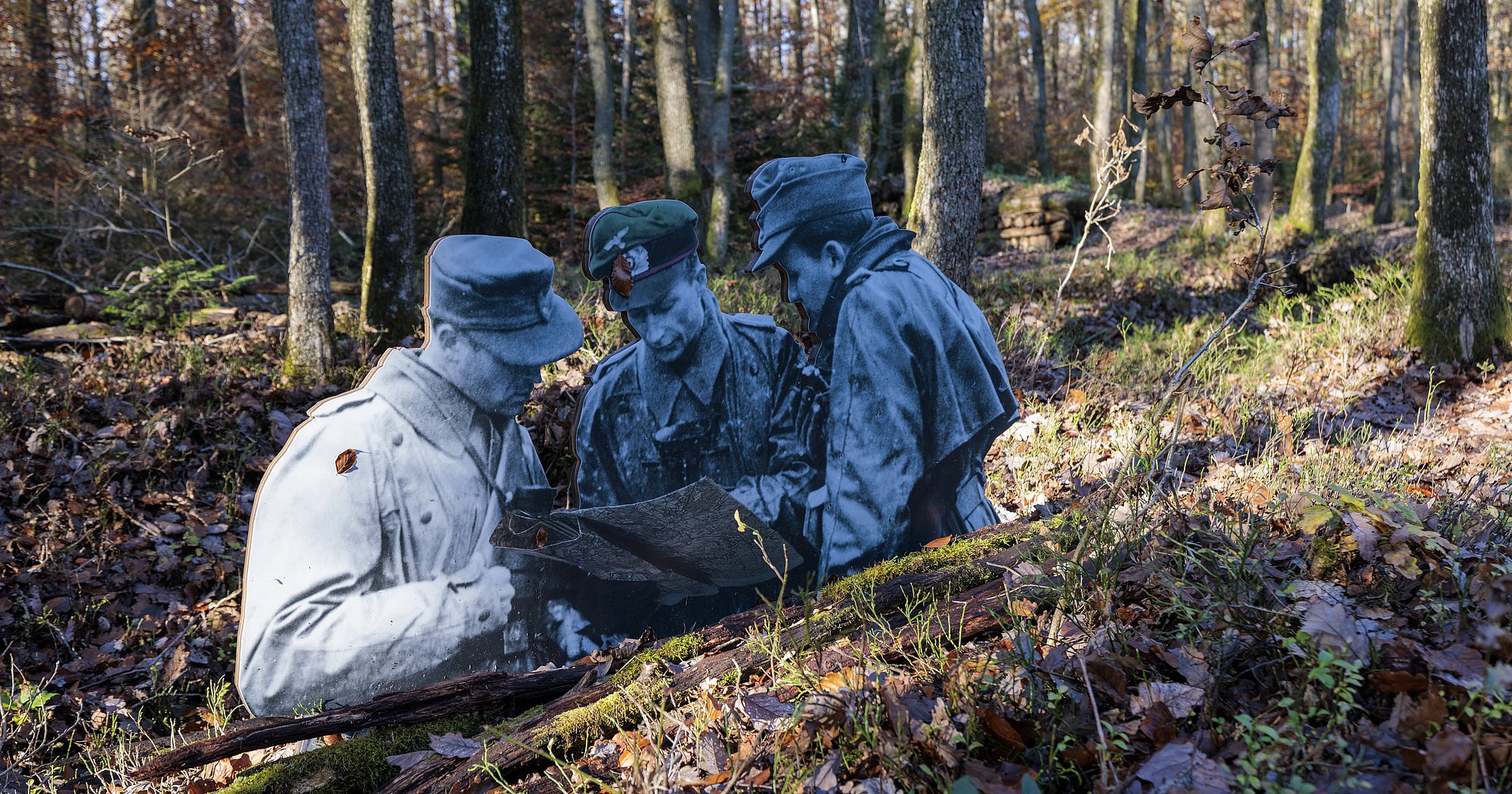
In Luxembourg, regional identity is anchored by a structured "culture du souvenir vivante"—a living culture of remembrance designed to preserve tangible historical footprints. The Grand Duchy maintains physical sites spanning both World Wars, incorporating memorials, border fortifications, specialized museums, and dedicated walking routes. Central to this physical network is the Liberation Route Europe (LRE) Hiking Trail Luxembourg, which tracks the tactical advance of Allied forces across international borders, joining isolated memory sites into an accessible cross-border corridor.
This commitment to living memory extends to political and industrial milestones that reconfigured European travel. In 1985, representatives signed the historic Schengen Agreement in the winemaking border village of Schengen, situated along the Moselle River where Luxembourg, Germany, and France meet. The signing took place aboard the passenger vessel Princesse Marie-Astrid. Today, while the European Museum of Schengen chronicles this transition toward open borders, the historic vessel itself is undergoing conversion into an active exhibition venue dedicated to European integration and mobility.
Complementing this diplomatic legacy, southern Luxembourg’s Minett region preserves its industrial past through the Minett Trail. Mining iron ore—locally termed minett—formed the bedrock of the nation’s steel industry and economic expansion. The trail guides visitors through repurposed mines, abandoned blast furnaces, and industrial complexes. In the north, technical craftsmanship remains visible at the Slate Museum (Musée de l'Ardoise) and a preserved historic drapery mill.
| Project / Facility | Historical Context | Operational Role |
|---|---|---|
| LRE Hiking Trail Luxembourg | World War II Allied Liberation | Cross-border hiking trail linking war memorials |
| Princesse Marie-Astrid Vessel | 1985 Schengen Agreement | Conversion into active European exhibition space |
| Minett Trail | Southern Luxembourg Steel & Iron Mining | Industrial heritage circuit covering former mines and furnaces |
| IFTM 2026 (Uzbekistan Feature) | Ancient Silk Road Trade Routes | Trade platform promoting UNESCO cultural heritage |
Silk Road Infrastructure at IFTM Paris 2026
This focus on historical depth as a driver of modern engagement shapes international tourism strategy at the 48th edition of IFTM, scheduled for September 15–17, 2026, at Paris Porte de Versailles. Operating under the theme "La valeur du voyage, révélons ensemble ce qui crée de l'impact" (The Value of Travel), the event frames heritage as a key lever for regional development and economic resilience.
The inaugural conference opens on Tuesday, September 15, at 9:45 AM in the Salle Arena by Ouzbekistan, featuring Serge Papin, Minister of Small and Medium Enterprises, Commerce, Craftsmanship, Tourism, and Purchasing Power. With Uzbekistan featured as the country of honor, the event highlights the historical legacy of the ancient Silk Road. The platform showcases UNESCO World Heritage cities, traditional craft heritage, and modernized transport networks alongside 177 international destinations and 1,650 brands. Organized by RX France alongside key commercial partners including Avis and the AFTM (Club Affaires), the gathering highlights how historical trade corridors continue to guide modern commercial strategy.
Retrospective Media and Timeline Corrections for God Mystère
Cultural storytelling provides a parallel arena for examining memory, intuition, and institutional pressure. Artist and director Elaine Kibaro—whose performance trajectory includes the Casino de Paris, Olympia, and Folies Bergère—explores these dynamics through her psychological thriller project God Mystère, published by Les Éditions du Net.
Adapted into a six-episode series and a 52-minute pilot starring Christelle Barrilliet as Love and Bernard Ménez as Nadir, the production dissects the conflict between creative integrity and predatory manipulation. The project held distinct screening events across Paris rather than a single gathering:
- SACD Authors' House: The 52-minute pilot screened on Friday, November 18, in the auditorium of the Maison des Auteurs de la SACD before an audience of arts and cinema professionals.
- Pavillon Bourguiba: The full-length feature film held its avant-première screening on February 12 at 3:30 PM at the auditorium of the Pavillon Bourguiba (Maison de la Tunisie) inside the Cité Universitaire, followed by Tunisian pastries.
Broadcast across Demain TV, Vià Grand Paris (Télif), and Bonneheure.TV, the film initiative operates alongside the 20th edition of the Trophées de la Paix, framed within the UN World Disarmament Week. By correctly delineating these separate presentation milestones, the record reflects how retrospective cultural initiatives build momentum across distinct civic venues.
Sources
These sources formed the evidence pack for this article. Links open the original publisher; inclusion does not imply endorsement.
- bonneheure.tv original
- iftm.fr original
- visitluxembourg.com original
/https://s02.video.glbimg.com/x720/10341141.jpg)