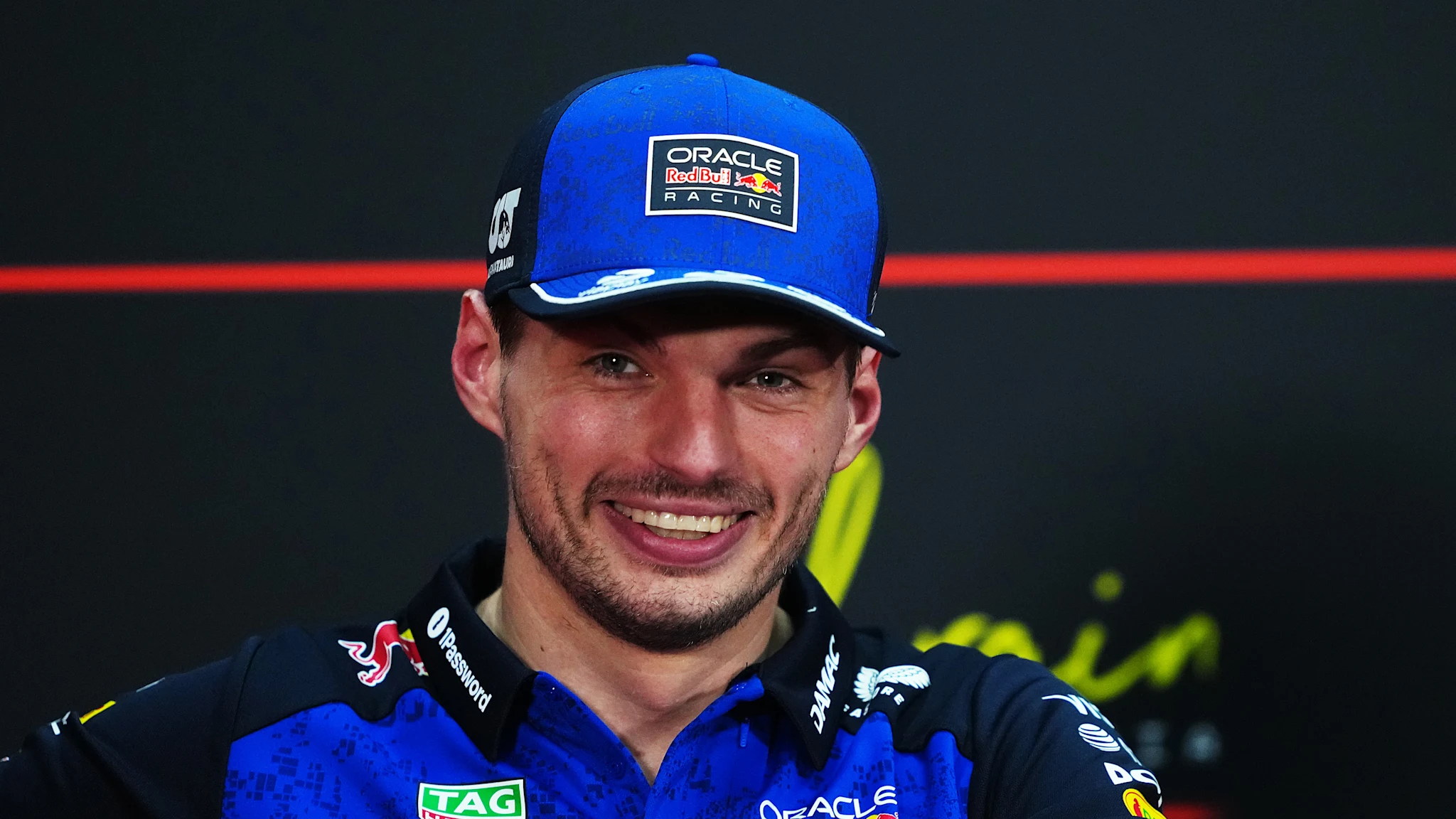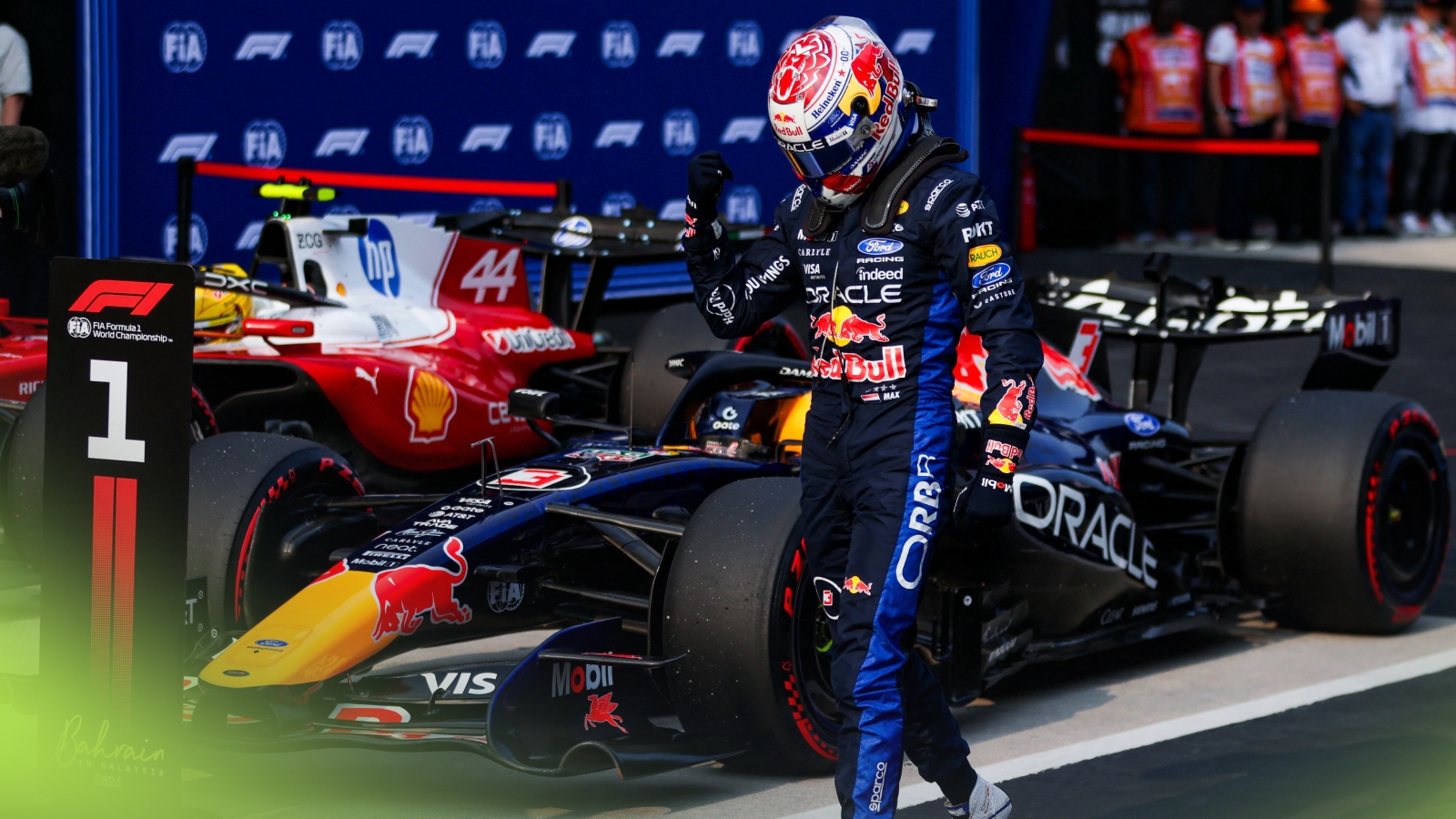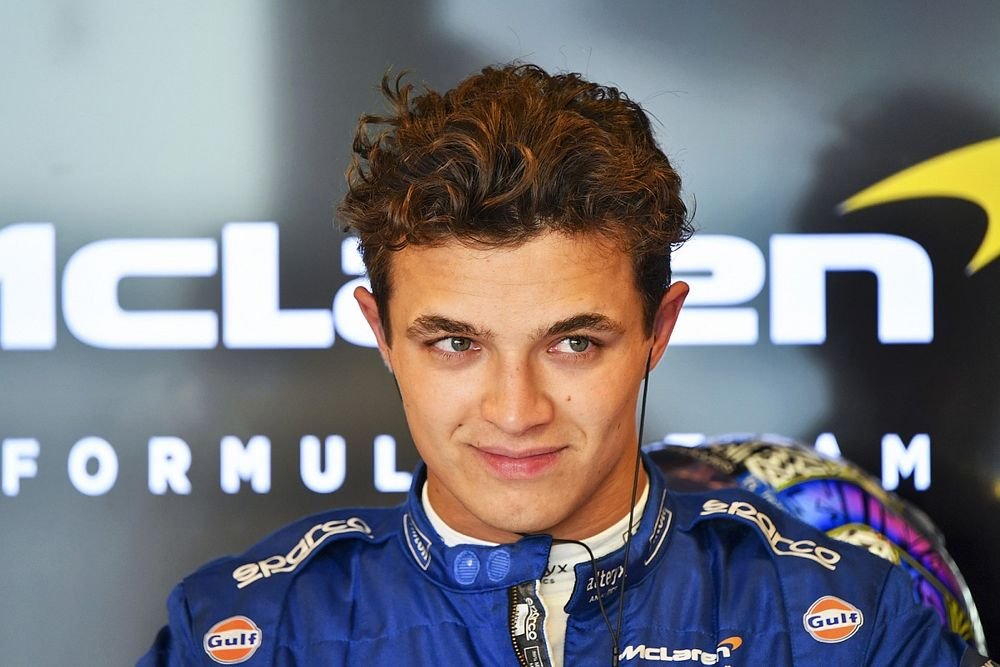
The Dutch Grand Prix qualifying session was less a measured display of aerodynamic efficiency and more a desperate, high-speed scramble against the heavens. As the clouds gathered over Zandvoort, the tension peaked in a frantic dash to complete flying laps before a late shower of rain could neutralize the field. In the end, it was Lando Norris who mastered the chaos, clinching pole position and leaving George Russell to settle for the second spot on the grid.
For Norris, this isn't just another Saturday; it is a continuation of a psychological siege on the rest of the grid. By navigating the narrow window between optimal track temperature and the encroaching moisture, the McLaren driver has once again demonstrated the clinical precision that has defined his ascent from a teenage karting prodigy to a championship heavyweight.
The Zandvoort Scramble and the Mercedes Threat
The battle for the top spot was decided in the margins. As the weather turned, the pressure on the drivers to find the limit before the track became undriveable was immense. Norris's ability to extract that final tenth of a second allowed him to edge out Russell, a result that places Mercedes in a prime position to disrupt the McLaren dominance during the race.

While Norris sits atop the order, the technical challenge of Zandvoort remains: managing the transition from a dry, high-grip surface to the treacherous, slippery conditions that have historically defined this circuit. The fact that Russell was able to keep the gap minimal suggests that the Mercedes machinery is finding a sweet spot in the current aerodynamic window, potentially setting up a strategic chess match once the lights go out.
Grid Dynamics: Absence and Ambition
The composition of the starting grid has been significantly altered by injury and the ruthless attrition of the mid-season. The most notable absence is Red Bull’s Isack Hadjar, who will miss the weekend entirely following a wrist injury sustained during the summer break. This vacancy reshapes the tactical landscape for the Red Bull camp and opens doors for midfield contenders.
Among those looking to capitalize on the reshuffled order is Gabriel Bortoleto. Starting from 9th, Bortoleto finds himself in the ideal 'launchpad' position. In a race where track position is king and the weather remains a volatile variable, a strong start from the third row could see him break into the top six, especially if the leaders are forced into early strategic gambles due to rain.

Key Grid Observations
- Pole Position: Lando Norris (McLaren)
- Front Row: George Russell (Mercedes)
- The Missing Link: Isack Hadjar (Red Bull) - Out due to wrist injury
- Midfield Watch: Gabriel Bortoleto - Starting 9th
The Evolution of a Clinical Finisher
To understand why Norris's pole position carries such weight, one must look at the trajectory of his career. This isn't the same driver who debuted as a nineteen-year-old teammate to Carlos Sainz Jr. Following a meteoric rise through the junior ranks—including a dominant MSA Formula Championship campaign and a subsequent sweep of the F3 season—Norris has evolved from a high-potential prospect into a master of race management.
His recent form suggests a driver who has finally married raw, aggressive speed with the tactical composure required to handle the 'chaos' that often engulfs modern Grand Prix weekends. Whether it is navigating the variable weather of Silverstone or maintaining composure in the high-stakes environments of Brazil and Mexico, Norris is no longer just participating in the championship; he is dictating its terms.
Evidence-Led Forecast: Dutch GP Race Dynamics
The qualifying data and weather patterns suggest a race defined by strategic volatility. Based on the frantic nature of the qualifying session, the following tactical patterns are likely to emerge:
- The Decisive Matchup: Norris vs. The Weather. The primary battle will not just be against Russell, but against the timing of the rain. If a shower hits early, the decision to switch to intermediate tires will determine the winner.
- Likely Tactical Pattern: An aggressive 'undercut' attempt by Mercedes. Given Russell's proximity on the grid, Mercedes will likely look to trigger an early pit window to leapfrog Norris before the track conditions become too stabilized.
- The Strongest Counter-Case: A high-degradation race on a drying track. If the rain remains light and the track dries quickly, the strategy will shift toward tire management, favoring drivers who can preserve their rubber through the long stints.
- The X-Factor: What would change the read is a heavy, sustained downpour. Such an event would move the race from a test of pace to a test of survival, potentially favoring those with higher car stability over raw peak downforce.
Sources
These sources formed the evidence pack for this article. Links open the original publisher; inclusion does not imply endorsement.
- news.gp original
- sazenionline.eu original
- sport.ceskatelevize.cz original
- bbc.co.uk original