Scores, fixtures and picks
These are current fixtures from the same sport, shown as a separate live companion rather than evidence for the article. Live status and scores come from the normalized SportyPulses data feed; predictions are reader picks, not betting advice.
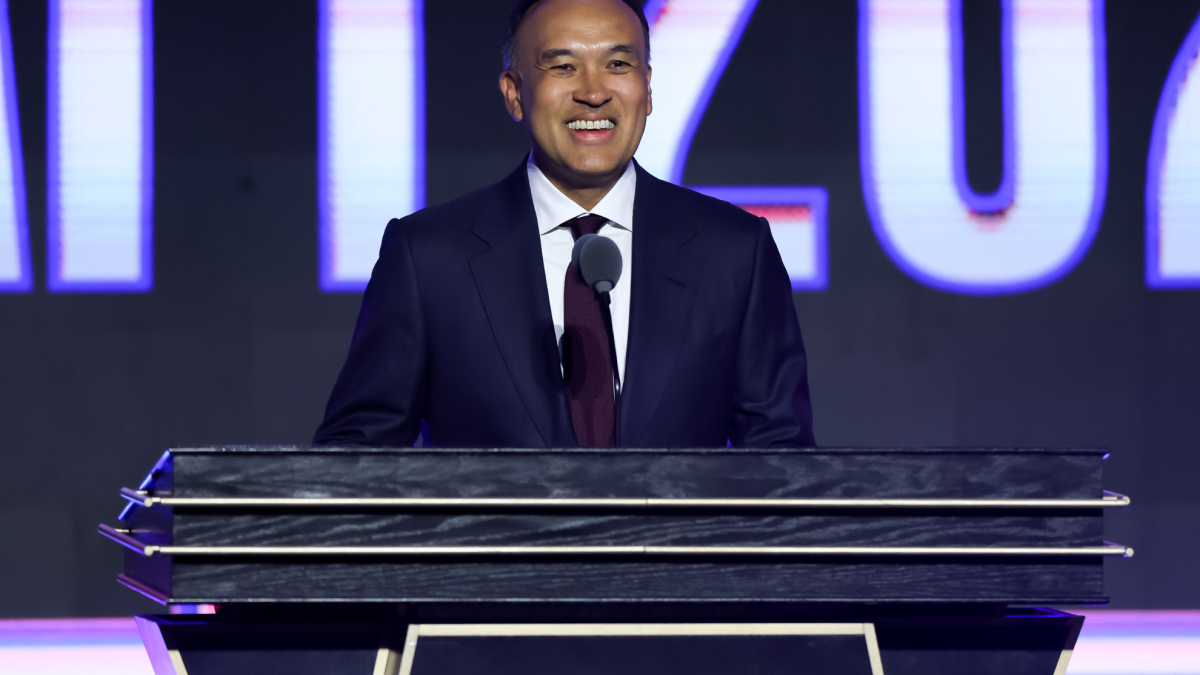
Mark Tatum stood before international media on the opening night of the NBA season and delivered a message the EuroLeague could not ignore: NBA Europe will start in October 2027, whether or not the two sides reach an agreement.
The NBA deputy commissioner and chief operating officer framed the launch as an effort to simplify a European club landscape crowded with the EuroLeague, Basketball Champions League, Eurocup, and domestic competitions. Tatum described the current structure as confusing for fans and promised a merit-based ecosystem in which every club and supporter could imagine competing at the top level.

Behind that pitch is a striking gap in projected money. The EuroLeague, led by President Dejan Bodiroga, plans to distribute 3.4 billion euros to its clubs over ten years. According to sources close to the NBA’s financial model cited by Mundo Deportivo, the NBA is prepared to distribute more than 9 billion euros over the same period—roughly 10 billion U.S. dollars—nearly three times the European figure. Tatum said NBA projections indicate distributions could reach “thousands—even tens of thousands—of millions of dollars” over a decade.

| Measure | EuroLeague | NBA Europe (reported) |
|---|---|---|
| Total distribution to clubs over 10 years | 3.4 billion euros | More than 9 billion euros |
| Starting teams | 20, expanding to 24 in 2027 and 30 by 2031 | 16 (12 permanent + 4 qualifiers) |
| Permanent club entry cost | Not specified | 430 to 860 million euros per initial franchise |
| Projected club values in ten years | 5.4 billion euros | Not specified |
The EuroLeague is moving forward with its own expansion plan independent of any NBA deal. It plans to convert current member clubs into franchises, grow from 20 participants to 24 in 2027 through eight new permanent franchises, and reach 30 by 2031. Fifteen expansion bids are already under review, with Valencia, Xavi Pascual’s Dubai team, Paris Basketball, and PAOK of Greece described by Encestando as early favorites. For its tenth year, the EuroLeague projects commercial revenues of 648 million euros—five times current levels—club distributions of 2.2 billion euros, member club values reaching 5.4 billion euros, and the competition itself valued near 8 billion euros.
On the NBA side, the league wants to begin with 16 teams: 12 permanent franchises, one in each target city, plus four qualifiers. Those cities are Barcelona, Madrid, Rome, Milan, London, Manchester, Paris, Lyon, Berlin, Munich, Athens, and Istanbul. The champion and runner-up of FIBA’s Basketball Champions League, along with two teams from a tournament involving the best domestic-league sides, will earn the four qualifying spots, though those details remain to be finalized. The NBA has said it will add more permanent teams over time, but no participants have been announced yet.
The entry price alone underscores the scale. Each of the 12 initial permanent franchises will pay a fee between 430 million and 860 million euros. At the midpoint of 645 million, that generates roughly 7.7 billion euros in launch fees. According to the Sports Business Journal, the NBA is budgeting 3 billion dollars upfront to cover potential losses, and projects that fixed franchises will be profitable by their third year. Initial ownership will be split 50-50 between the NBA and franchise owners, with the league’s stake declining as more members join.
Broadcasting and social media are described as core revenue pillars for the European venture. The NBA recently sold its domestic television rights for a 76-billion-dollar, 11-year agreement that includes NBC, which has expressed openness to broadcasting NBA Europe. The league is also considering a global streaming channel modeled on NBA League Pass, specifically to serve markets like India where time zones make live viewing difficult.
Existing club power is not guaranteed to stay put. Real Madrid, under Florentino Perez, is described as among the clubs most open to joining NBA Europe. Barcelona, by contrast, has strongly backed the EuroLeague, with President Joan Laporta playing an active role in the owners’ summit where the NBA’s joint-competition proposal was rejected. Losing Madrid or Barcelona would sharply reduce the EuroLeague’s value.
NBA Europe would not lack for football-branded appeal even without EuroLeague incumbents. Paris Saint-Germain, Manchester City, and AC Milan have expressed interest in building basketball teams from scratch. NBA executive George Aivazoglou said existing NBA brands and partners want to be involved, and that executives have held conversations with potential sponsors at events including Cannes Lions and with Fortune 500 companies, media firms, and agencies. JP Morgan is advising on the project, though no official European sponsorship has been announced.
The EuroLeague’s own distribution model remains modest by comparison. Last season, according to SDNA, Olympiacos received 2.4 million euros as champion and Real Madrid 2.1 million as runner-up, while BasketNews reported Barcelona earned 675,000 euros for ninth place. Under recent EuroLeague rule changes, licensed clubs retain 65 percent of net television revenue from their home markets, with the remaining 35 percent split equally among licensed clubs. A commercial fund distributes 75 percent based on performance, fan reach, and historical results, with 25 percent shared equally.
NBA Europe participants would receive a guaranteed seasonal payment from year one—a fixed sum plus a sporting-performance variable—according to sources close to the process. That certainty contrasts with a European club landscape where Tatum said some EuroLeague teams currently lack financial stability. Tatum framed the NBA’s pitch around speed: a faster path to profitability, investment in academies, league operations, marketing, and stadium infrastructure.
“We continue to hope to reach an agreement, but we are prepared to move forward in any case,” Tatum said.
That willingness to proceed unilaterally is the story’s hinge. The NBA has the financial depth, broadcast infrastructure, and reported investor commitments to launch alone. The EuroLeague has history, entrenched clubs including Madrid and Barcelona, and a credible ten-year growth plan. Whether they merge or collide, the money on the table will force European basketball to choose between two very different visions of what a club competition should be.
If the two sides do not align before launch, the tactical fault lines are clear: the NBA can open in October 2027 with 16 teams and deep pockets, while the EuroLeague must defend its existing members against defections and try to make its 3.4-billion-euro plan competitive against an offer nearly three times as large. The decisive matchup may not be on the court at all, but in the boardrooms where club owners weigh guaranteed NBA entry fees against the longer odds of EuroLeague expansion.
Sources
These sources formed the evidence pack for this article. Links open the original publisher; inclusion does not imply endorsement.
- mundodeportivo.com original
- bostonherald.com original
- cadenaser.com original
- marca.com original