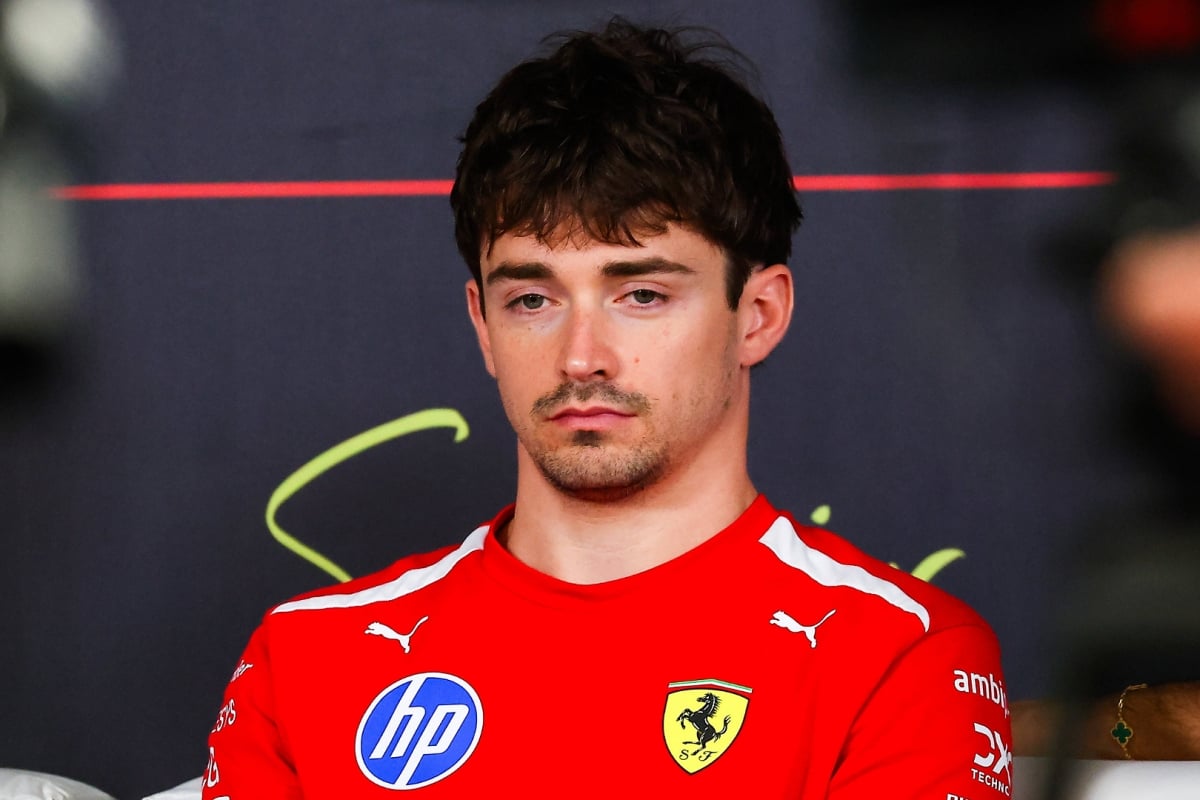
The roar of the Tifosi at Monza has been replaced by a heavy, stunned silence. In what was supposed to be a pivotal weekend for Scuderia Ferrari, the news has broken that Charles Leclerc is out of the Italian Grand Prix following a huge crash. For a team that arrived in Italy prepared to introduce a crucial engine upgrade for both drivers, the loss of their leading Monegasque star at their most sacred venue is a catastrophic blow to the season's momentum.
The Silence at Monza
While the specific technical details of the impact remain to be fully parsed, the immediate consequence is absolute: Leclerc will not take the chequered flag in front of his home crowd. This isn't just a lost weekend; it is a disruption of a carefully laid plan. Ferrari has spent the early stages of this 2026 era attempting to reclaim their status at the front of the grid, a mission that has seen them battle closely with Mercedes and Red Bull in high-stakes encounters like the Chinese Grand Prix.
The timing could not be worse. Ferrari had intended for Monza to be a showcase of their developmental progress, specifically through the introduction of new engine components. Instead, the focus shifts from technical evolution to damage limitation and the psychological management of a team that has already faced significant internal and external scrutiny.
A Pattern of High-Stakes Decisions
For those analyzing Leclerc’s 2026 campaign, this crash arrives not without a sense of tragic familiarity. The driver has often operated on the razor's edge between brilliance and disaster, a trait most visible during the Miami Grand Prix earlier this season. In Miami, Leclerc engaged in a high-risk tactical gamble, deliberately letting Oscar Piastri pass to gain the benefit of 'Overtake' mode—a decision he later admitted was a "very poor decision."
That tactical error in Miami culminated in a 360-degree spin into the outside wall after pushing his Pirelli tyres past their grip limit. The fallout was swift: a 20-second stewards' penalty that saw him tumble from sixth to eighth. Reflecting on that moment, Leclerc was blunt about his own role in the chaos: “It’s all on me. I don’t have much to add other than that. Very disappointed with my mistake. It shouldn’t happen,” he told Sky Sports at the time.
This pattern of "putting a very strong race in the bin" through aggressive, split-second decision-making defines the Leclerc experience. Whether it is a tactical miscalculation or a mechanical failure, the result is often the same: a sudden, violent end to a competitive afternoon.
Technical Tension and the Weight of Expectation
The crash also reopens discussions regarding the reliability and stability of the Ferrari machinery. This is not the first time Leclerc has expressed concern regarding the car's integrity. Following a crash in Monaco, the driver described his car as “borderline dangerous,” a critique that prompted an expression of "surprise" from Ferrari’s brake supplier, Brembo.
Furthermore, the internal pressure at Maranello has been mounting. Ferrari chairman John Elkann recently ignited debate by suggesting his drivers, Lewis Hamilton and Charles Leclerc, “need to focus on driving and talk less.” While Leclerc has publicly emphasized the need for "unity" within the team, the weight of Elkann's remarks, combined with the technical volatility Leclerc has experienced, creates a pressurized environment that may have contributed to the intensity of this weekend's error.
The Ferrari Plan Under Pressure
With Leclerc sidelined, the burden falls entirely on Lewis Hamilton to navigate the Italian Grand Prix. Hamilton’s journey with Ferrari has been a study in extremes, ranging from the "best racing I’ve ever experienced" during the battle for the podium in China to describing his early season as "a nightmare" following the Sao Paulo Grand Prix.
Team principal Frederic Vasseur has been adamant about the team's focus on execution, recently stating, “No, I don’t care about this kind of approach or rumours -- we have to do the job.” However, the "job" just became significantly harder. Ferrari's strategy to return to the front of the F1 hierarchy relied heavily on the synergy between their two star drivers. With Leclerc out, the team must now manage the technical rollout of their upgrades and the emotional fallout of a home race disaster, all while trying to maintain their position in a season where Mercedes and Red Bull remain perennial threats.
Sources
These sources formed the evidence pack for this article. Links open the original publisher; inclusion does not imply endorsement.
- knihydobrovsky.cz original
- skysports.com original
- espn.com original
- gpfans.com original