
Cricket’s heartbeat is rarely found beneath the blinding lights of international television monoliths alone; it pulses instead through the intricate web of domestic grounds, regional leagues, and community structures. While major international venues command global attention, the operational realities of domestic circuits dictate how players scale the pyramid from grassroots trials to elite stages. Across distinct cricketing landscapes—from the structured state-vs-state depth in India and the multi-venue touring circuits of Sri Lanka to historic county strongholds in London—the physical ground dictates the tactical approach.
In India, the Board of Control for Cricket in India (BCCI) organizes a densely packed domestic calendar designed to test players across multi-day, one-day, and T20 formats. The foundational red-ball competition, the Ranji Trophy, dates back to 1934-1935 and now accommodates 38 state and regional sides split into Elite and Plate tiers. Operating across a ten-week winter window, the Ranji structure demands batting depth over four innings and rewards adaptability to varying pitch wear and session control. Parallel to this, white-ball pathways like the Vijay Hazare Trophy (50 overs) and the Syed Mushtaq Ali Trophy (T20) introduce high-stakes volatility, where venue effects, powerplay strike rates, and spin usage in middle overs alter the analytical calculus.
Age-group competitions such as the Col CK Nayudu Trophy and the Men's U23 State A Trophy maintain continuity within the domestic pipeline, ensuring that young players build red-ball temperament or white-ball economy before encountering senior franchise pressure. Meanwhile, legacy fixtures like the Irani Cup—pitting Ranji champions against a composite Rest of India side—focus attention sharply on single-match dynamics, workload management, and first-innings leverage.
Shifting focus to touring infrastructure, Sri Lanka offers a completely different geographical and cultural cadence for cricket participation. Specialized circuits, such as an 11-day match tour framework, highlight how matches integrate with distinct regional environments. Teams starting their journeys in coastal hubs like Negombo ease into local playing conditions at venues like BOI or Katunayake before ascending into the hill-country climate of Kandy and Nuwara Eliya. These high-altitude conditions introduce unique atmospheric and pitch challenges compared to coastal ovals, before trailing down toward southern grounds near Ahungalla and concluding fixtures in Colombo.
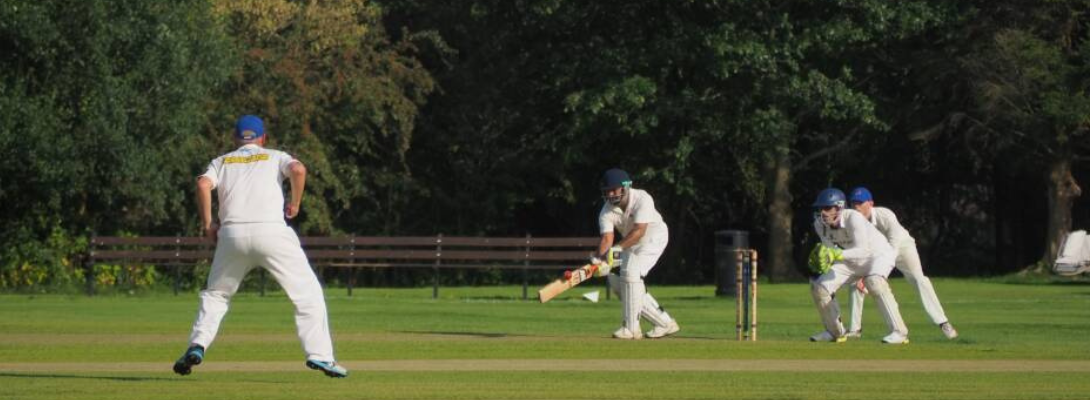
This mosaic of venues contrasts sharply with the fixed, multi-competition home bases found in English county structures. At grounds like the Kia Oval in south London, membership models grant access to a continuous stream of fixtures spanning the Rothesay County Championship, the men’s and women’s Vitality Blast, the Metro Bank One Day Cup, and The Hundred matches hosted by MI London. Rather than traveling across varied regional topographies, members secure allocated seating for a dense summer slate that interlocks domestic red-ball and white-ball action with international Test and IT20 allocations.

Comparing these regional frameworks reveals how differing geographical demands shape the sport:
| Region / Circuit | Core Formats | Primary Structural Feature |
|---|---|---|
| India (BCCI) | Multi-day, List-A, T20 | 38 teams across Elite and Plate tiers, linking Ranji, Vijay Hazare, and Syed Mushtaq Ali. |
| Sri Lanka Touring Circuits | Fixture-based community/tour matches | Geographical transition from coastal venues (Negombo, Colombo) to high-altitude hill country (Nuwara Eliya). |
| England (Surrey / Kia Oval) | County Championship, Vitality Blast, The Hundred | Single-venue multi-competition membership granting access to red-ball, short-form, and international games. |
Understanding these environments requires looking beyond simple win-loss records to examine how venue-specific traits—such as coastal humidity, high-altitude ball movement, or four-day pitch deterioration—influence team selection and tactical execution. Whether analyzing the session-by-session grind of a Ranji Trophy fixture or navigating an overseas match tour through diverse microclimates, the ground remains the ultimate variable in shaping cricket's competitive outcomes.
Sources
These sources formed the evidence pack for this article. Links open the original publisher; inclusion does not imply endorsement.
- aclt20.com.au original
- indiabetmaster.com original
- srilankaluxetrails.com original
- kiaoval.com original