The rhythm of a NASCAR season is built on anticipation, anchoring historic revivals alongside concrete traditions long before the current championship battle reaches its crescendo. While current attention remains fixed on high-stakes summer battles—from the fierce short-oval execution at Iowa Speedway to the grueling tactical chess matches at Indianapolis for the Brickyard 400, and past Truck Series stops like the FaithFest 250 at North Wilkesboro—the machinery of scheduling never sleeps. Tracks must project forward, balancing the immediate demands of tyre degradation, fuel windows, and pit wall strategy with the commercial realities of calendar planning.
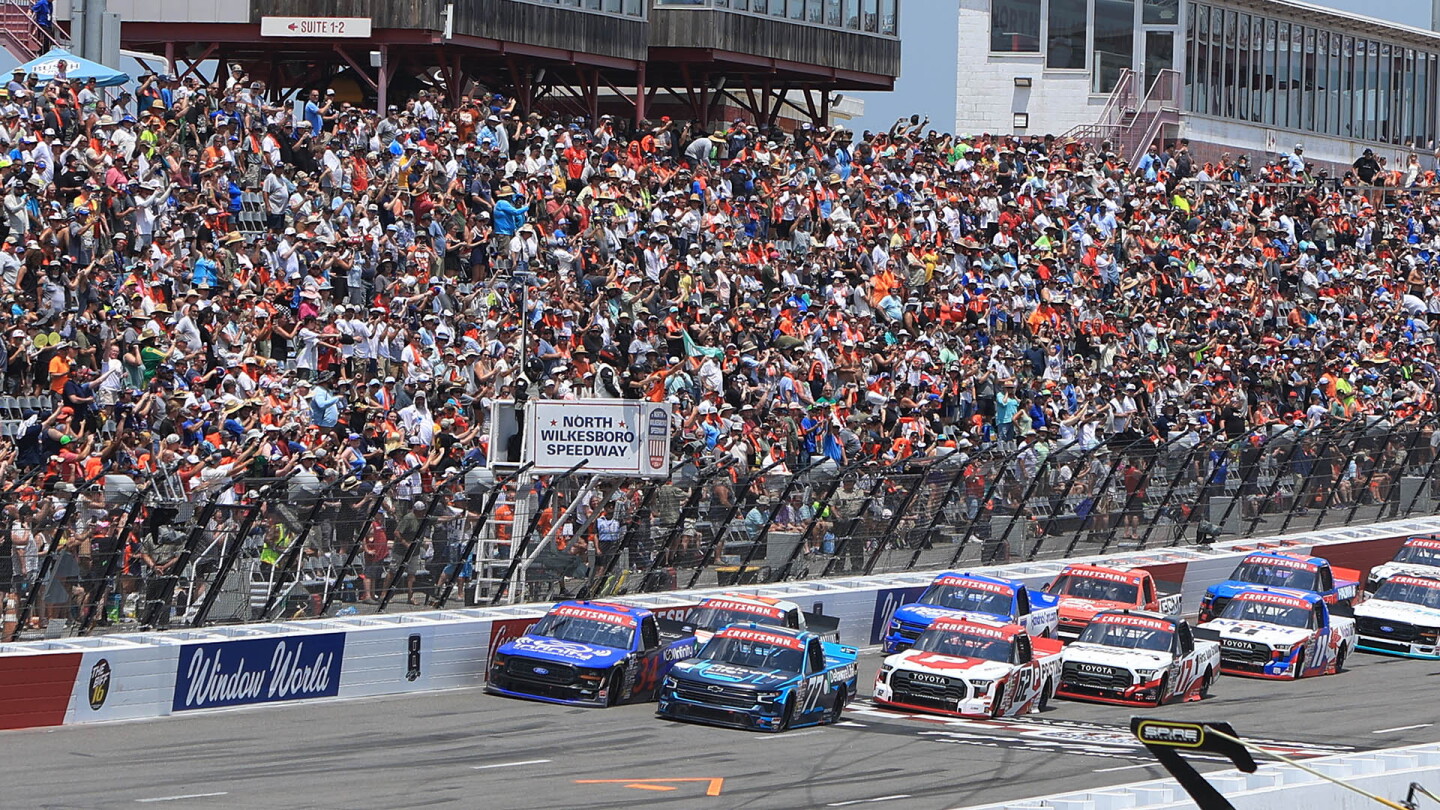
For tracks like North Wilkesboro Speedway, which hosted the Craftsman Truck Series FaithFest 250 on July 18, 2026, and its corresponding Cup action on July 19, locking in future dates is a vital operational milestone. It bridges the gap between grassroots short-track heritage and modern Cup Series logistics. Similarly, venues like Dover Motor Speedway represent the physical demands of high-banked concrete that test mechanical limits and chassis setups in ways distinct from intermediate speedways or flat ovals.
Understanding how these dates shape the broader calendar requires looking at the operational footprint required to execute a modern NASCAR weekend. Tracks are no longer judged solely by the quality of the main event; they operate as multi-day festivals featuring practice sequences, qualifying sessions, support series like the Craftsman Truck Series, and fan engagement activations that span days.
The Operational Blueprint of Modern Race Weekends
When a facility secures its spot on the upcoming calendar, it triggers a cascade of logistical commitments. Promoters and track operators must factor in several critical variables to ensure a seamless fan and team experience:
- Practice and Qualifying Windows: Ensuring adequate track time for teams to dial in setups, particularly given modern tyre compounds and track temperature fluctuations.
- Support Series Integration: Coordinating companion races, such as Truck Series events, which demand rigorous garage space and broadcast slot alignment.
- Fan Activation and Access: Designing weekend schedules that feature on-track experiences, driver appearance stages, and family-friendly ticketing initiatives.
- Logistical Flow: Managing haulers, parking infrastructure, and local hospitality capacities during peak summer tourism windows.
The announcement of 2027 dates for venues like Dover and North Wilkesboro signals NASCAR's ongoing commitment to pairing its historic short-track identity with high-demand permanent facilities. As teams prepare for upcoming August tests of endurance—such as New England's NASCAR Cup Series weekend featuring the Dollar Tree 301 at New Hampshire Motor Speedway—the calendar blueprint for the following year provides stability for manufacturers, sponsors, and traveling crews alike.
Ultimately, securing these dates early allows engineering groups and team strategists to map out their simulation cycles months in advance. While the immediate focus remains squarely on the current championship battles and the closing months of the 2026 season, the quiet administrative work happening behind the scenes ensures the sport's foundation remains as durable as the concrete tracks themselves.
Sources
These sources formed the evidence pack for this article. Links open the original publisher; inclusion does not imply endorsement.
- nbcsports.com original
- worldofspeed.org original
- nhms.com original