Navigating the expanded 48-team FIFA World Cup across the United States, Mexico, and Canada demands acute tactical discipline alongside rigorous physical management. Squads competing in the North American tournament encounter not only formidable tactical setups but severe environmental friction and demanding logistical realities. From initial training bases in Palm Beach, Florida—where heavy humidity and strict weather protocols suspend play for 30 minutes whenever lightning strikes within eight miles—to intense group encounters in Monterrey, the physical requirements of international football test squad depth to its absolute limits.
Defensive Compactness and Transition Mechanics in Monterrey
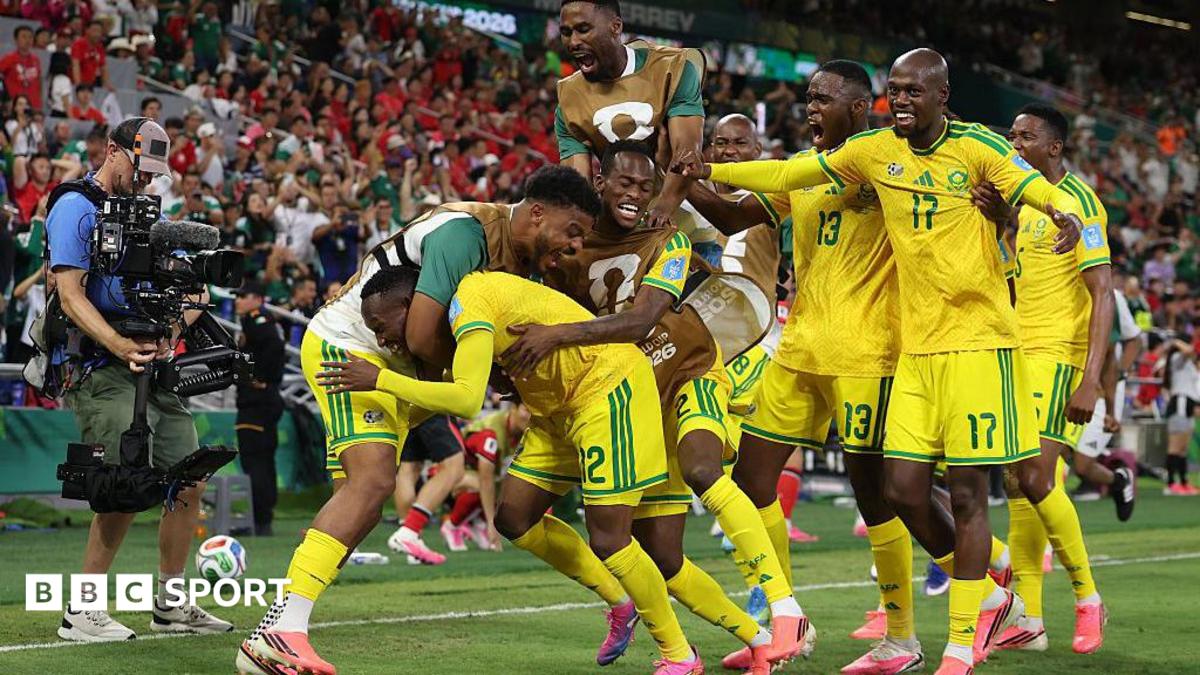
South Africa’s historic advancement out of Group A illustrated how compact defensive structures and disciplined counter-attacking can overcome heavy possession deficits. Coached by Hugo Broos, South Africa absorbed sustained pressure against South Korea before executing a decisive forward movement in the second half. Thapelo Maseko gathered a touch inside the penalty area, shifted the ball to his left foot, and slotted his finish through the legs of Jens Castrop and inside the near post to secure a 1-0 victory.
That triumph represented South Africa's third-ever win at a FIFA World Cup final tournament and their first against non-European opposition, earning their inaugural ticket to the knockout stage where co-hosts Canada await in Los Angeles. Emphasizing their distributed attacking output, South Africa’s last 11 World Cup goals have now been scored by 11 different players. In contrast, South Korea struggled to turn possession into penetration. Despite introducing Son Heung-min at halftime, the forward was limited to a single touch inside South Africa's penalty box as earlier attempts from Lee Kang-in and Oh Hyeon-gyu failed to unlock a resolute defense.
Roster Strain and Defensive Mastery in Group A
Roster availability remains one of the most volatile factors in long tournament runs. Switzerland faced immediate administrative friction when forward Breel Embolo was delayed boarding the team plane following an old criminal conviction in Basel, requiring an urgent visa application to join his team in San Diego. Austria suffered a setback when RB Leipzig’s Christoph Baumgartner sustained a thigh injury prior to their friendly against Tunisia and was left unreplaced. The Czech Republic experienced further misfortune during group play when West Ham midfielder Tomas Soucek landed awkwardly while attempting to charge down a clearance from Mexico goalkeeper Guillermo Ochoa, requiring a stretcher to leave the pitch.
Meanwhile, host nation Mexico demonstrated complete structural control throughout their group campaign. Capping their run with a victory over the Czech Republic highlighted by Alvaro Fidalgo’s clinical strike into the top corner from 18 yards out, Mexico finished Group A with a perfect record of three wins from three matches. The Mexican defense posted three consecutive clean sheets, stringing together 315 minutes without conceding a goal—matching their historic World Cup defensive run from 1970.
The Human Reality of International Duty
Beyond tactical execution and statistical achievements, international competition places immense personal demands on tournament participants. South Africa’s breakthrough campaign was anchored by extraordinary resilience, exemplified by midfielder Jayden Adams. The 25-year-old Mamelodi Sundowns player started South Africa's 1-1 group draw against the Czech Republic just hours after learning that his grandmother had passed away.
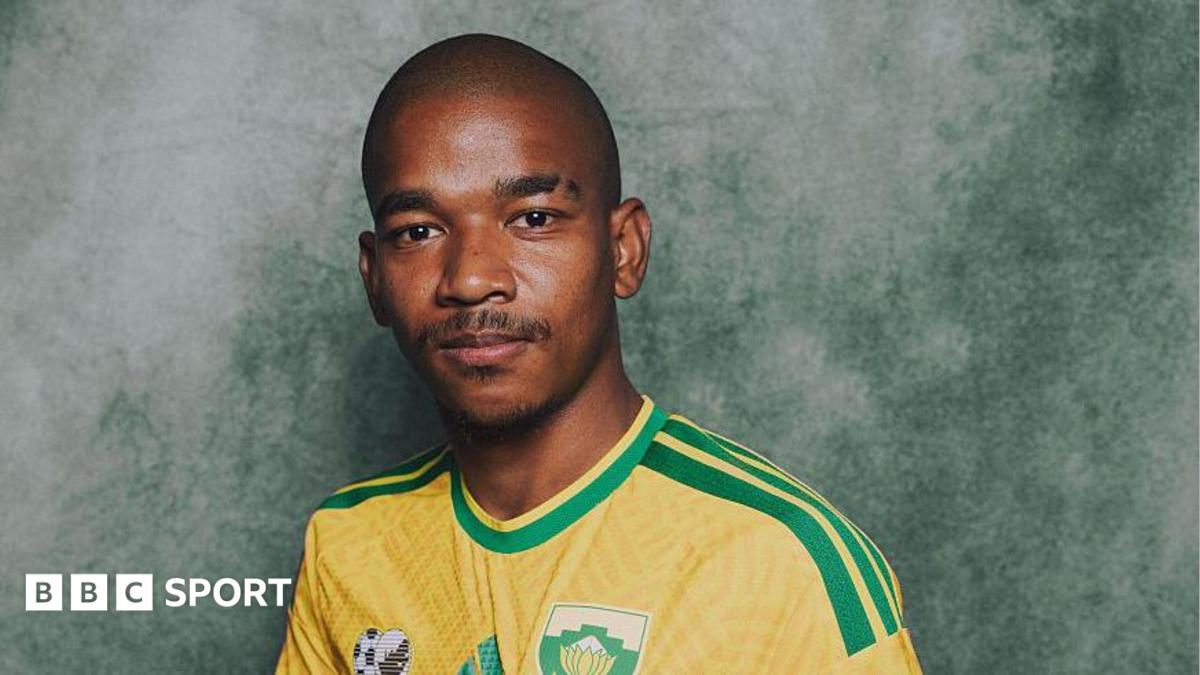
Tragically, just weeks after helping his country reach the last 32, Adams passed away at a residence in Schotschekloof, Cape Town. Tributes from South African Sports Minister Gayton McKenzie, the South African Football Players Union, and FIFA President Gianni Infantino honored a dedicated international who represented his country with distinction. As tournament play advances into the elimination rounds, the balance between tactical preparation, roster depth, and emotional fortitude continues to decide who survives on the global stage.
Sources
These sources formed the evidence pack for this article. Links open the original publisher; inclusion does not imply endorsement.
- techradar.com original
- bbc.co.uk original
- bbc.com original
- fih.hockey original