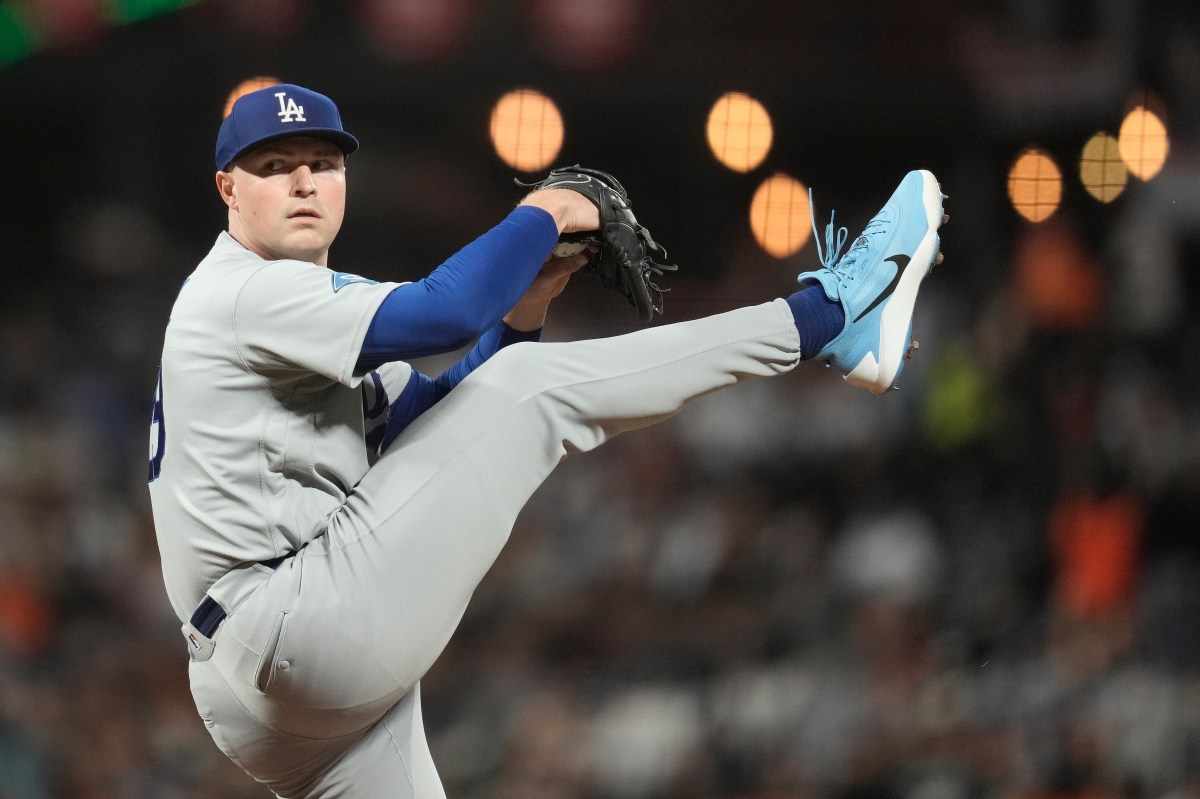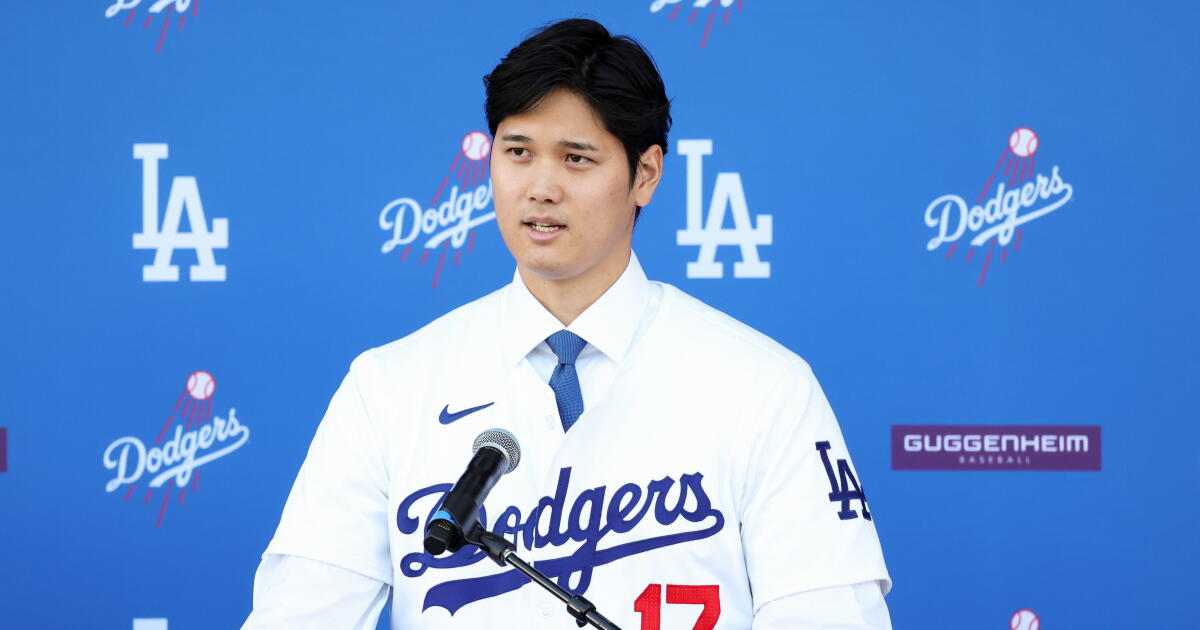
The silence in the Los Angeles Dodgers' lineup has become deafening. For the third consecutive game, the most anticipated name on the roster, Shohei Ohtani, has been conspicuously absent. What began as a managed rest has transitioned into a period of intense speculation, as the Dodgers grapple with a looming decision that could dictate the trajectory of their season: commit the two-way superstar to the Injured List (IL) or continue to hope for a miraculous, short-term recovery.
The uncertainty is not merely about a missing bat; it is about the fundamental stability of a team currently operating on a razor-thin margin. As of early September 2026, the Dodgers hold a precarious half-game lead over the Milwaukee Brewers for the best record in baseball. In this high-leverage environment, every absence is magnified, and the absence of a player who provides both elite offensive production and—ideally—pitching depth is a weight the roster is struggling to carry.
The Anatomy of a Setback
The specifics of Ohtani’s condition suggest a complication that extends beyond simple fatigue. Reports indicate that the star is battling lingering issues in both his biceps and his neck. The most concerning development for the Dodgers' coaching staff and medical team is the news that Ohtani has stopped throwing plyo balls, a significant indicator that his return to the mound is being actively managed and, more importantly, delayed.
While Dodgers manager Dave Roberts has expressed a cautious hope that Ohtani might avoid the IL, the reality on the ground is shifting. The timeline for Ohtani's return to pitching has been "pushed back" once again following this latest setback. This creates a dual-front crisis for Los Angeles: they are not just losing a Designated Hitter who has posted a .906 OPS this season, but they are also seeing the secondary pillar of his two-way value drift further into the distance.
For a player under a massive 10-year, $282.17 million contract, the management of these injuries is a high-stakes balancing act. The Dodgers must weigh the immediate necessity of his presence in the lineup against the long-term risk of a biceps injury becoming a season-ending or career-altering catastrophe.

The MVP Landscape Shifts
The Ohtani absence is also creating a vacuum in the National League MVP conversation. For much of the season, the debate has centered on Ohtani’s historic versatility. However, as his availability falters, a new front-runner has emerged. Chicago Cubs center fielder Pete Crow-Armstrong has staged a historic second-half surge that has seen him leapfrog Ohtani in the MVP standings.
The statistical contrast is stark. While Ohtani has delivered a strong 2026 campaign—boasting 30 home runs, 80 RBIs, and 11 stolen bases with a .279 average—Crow-Armstrong has reached a different stratosphere of production. The Cubs star currently sits with:
- Home Runs: 39
- Stolen Bases: 33
- Batting Average: .280
- OPS: .945
This shift in the MVP race serves as a visceral reminder of the cost of unavailability. In a race decided by cumulative value, the "what if" of Ohtani’s injury is being countered by the "what is" of Crow-Armstrong’s dominance.
The Managerial Tightrope
The decision facing the Dodgers is further complicated by MLB rules that make the timing of IL stints a strategic headache. Management is caught between the immediate tactical need to maintain their lead in the race for the best record and the long-term necessity of having a healthy Ohtani for the postseason.
Analysis: The Dodgers are essentially playing a game of chicken with biology. If they keep him in the lineup and the biceps issue worsens, they risk losing him for the entirety of October. If they place him on the IL now, they sacrifice immediate offensive firepower and potentially destabilize a lineup that is already struggling to fill the void left by his absence. The decision is no longer just about health; it is about the mathematical probability of winning a World Series with a depleted roster versus a rested superstar.
Evidence-Led Forecast
Tactical Pattern: Expect the Dodgers to utilize a rotating cast of Designated Hitters to mitigate the loss of Ohtani’s production. The focus will likely shift toward high-contact hitters to stabilize the middle of the order while they wait for medical clarity.
Decisive Matchup: The upcoming stretch of games against the Washington Nationals will serve as a litmus test. If Ohtani remains unavailable through this series, the pressure to move him to the IL will become insurmountable to prevent further degradation of his health.
Strongest Counter-Case: A sudden, rapid improvement in his neck discomfort could allow the team to bypass the IL entirely, prioritizing the immediate race for the best record over the long-term preservation of his pitching arm.
The Pivot Point: If Ohtani’s return to the mound is officially ruled out for the remainder of the regular season, the Dodgers will almost certainly opt for the IL stint to provide him with the structured rehabilitation necessary for a postseason pitching role.
Sources
These sources formed the evidence pack for this article. Links open the original publisher; inclusion does not imply endorsement.
- baseball-reference.com original
- sports.yahoo.com original
- latimes.com original
- truebluela.com original