
It is the kind of sentence a mayor is not supposed to say out loud, and once Ken Sim said it, it refused to die. In an interview with Daily Hive's Kenneth Chan — flagged by Cooper Godin of Canucks Daily and recirculated this summer — the mayor of Vancouver drew a clean line down the middle of his own fandom.
"As a fan, I want to see the Canucks have an exciting run and make it to the Stanley Cup Finals, and hopefully win in Game 7 in overtime," Sim said. "As the Mayor of Vancouver, I do not want them to play a single game in the playoffs, because (of) the stress that it causes for safety."
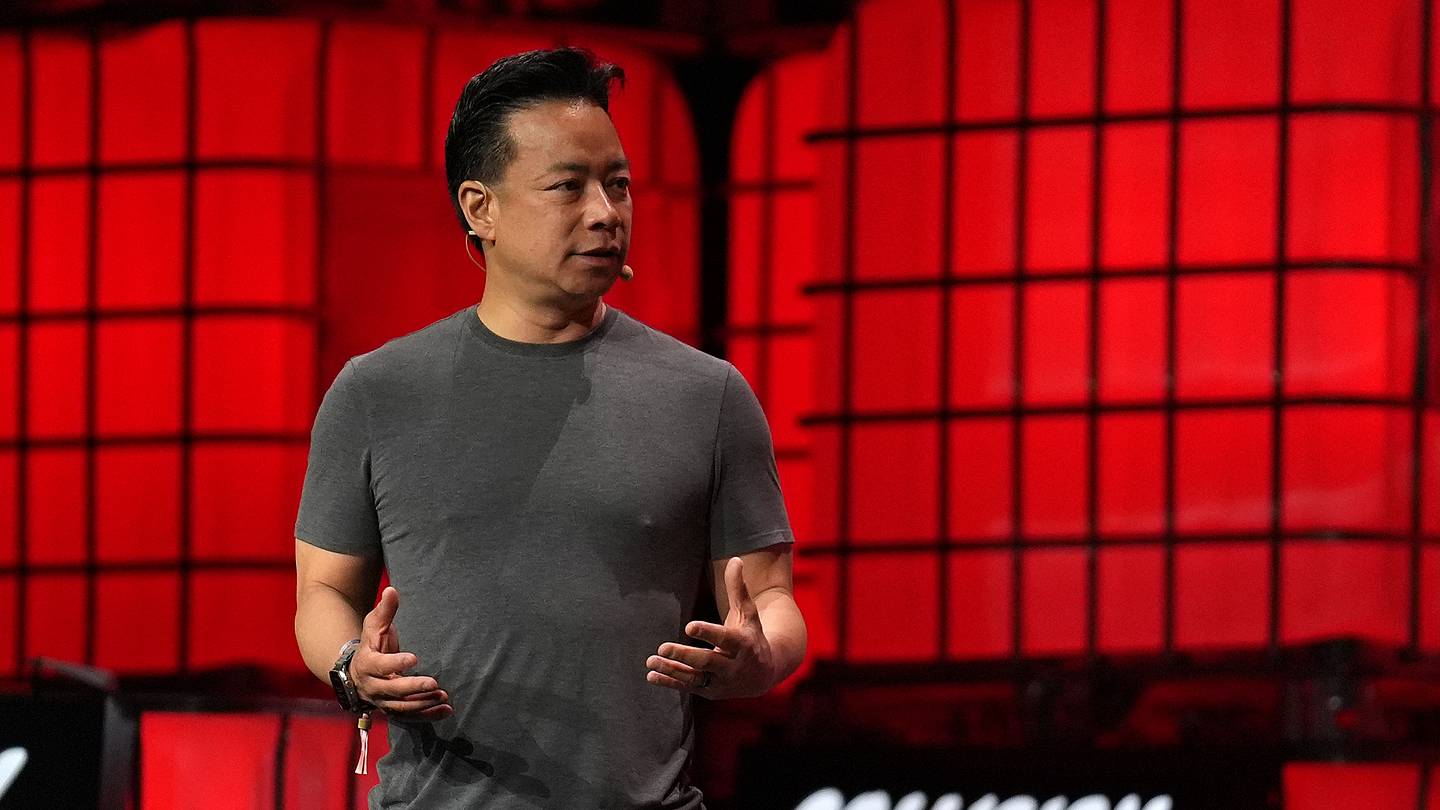
Within a week, that line had ricocheted across timelines, message boards and the front of the Canucks' own news cycle. The reaction was not hard to predict. So was the rejoinder. Vancouver is gearing up to host seven matches of the 2026 FIFA World Cup at BC Place, an event that will draw hundreds of thousands of visitors and require a security operation the city has described as comparable to the 2010 Winter Olympics. The same mayor who told the hockey public that a single playoff round was too expensive to safely celebrate was, by his own civic calendar, about to welcome the planet.
Read the two together and you get the question the rest of this story is built on: what, exactly, is a deep Canucks run worth to Vancouver — and who gets to decide?
15 Years of Scar Tissue
The 2011 Stanley Cup riot is the load-bearing wall of the entire debate. On June 15 of that year, the Canucks lost Game 7 of the Final to the Boston Bruins 4-0 at Rogers Arena. Within hours, according to the B.C. Prosecution Service, roughly 150,000 people had packed downtown Vancouver, and a hard core of around 1,000 rioters had set fires, smashed storefronts, looted retailers and flipped cars. Damage was tallied at approximately $3.78 million. More than 100 arrests followed. It was the second time a Canucks Game 7 loss had detonated the city center — a similar, smaller eruption had followed the 1994 Final loss to the New York Rangers.
The trauma has not faded. On Vancouver's Robson Street, Simon Coutts, whose Simon's Bike Shop had operated since 1986, remembers being heckled as he boarded up the windows in 2011. "In 2011, I was out on the street every day. I was watching the parties, watching the people," Coutts said in 2024. "There were just too many people out of control downtown and there's drinking and all sorts of stuff and then I guess you could say all hell broke loose." Coutts told The Globe and Mail that he and other shopkeepers were already bracing in 1994, but the second riot was a different animal. "No one wants a repeat."
Vancouver police made the institutional version of the same point. "We know the contributing factors were excessive intoxication and people walking with open alcohol, thousands of people coming into our city from other cities, and large viewing areas in fan zones in the downtown core," the department said in a 2024 statement. The lesson, in operational language, was simple: remove the geographic concentration and you remove the risk.
;Composite=(type=URL,url=https://images.radio-canada.ca/v1/assets/elements/16x9/outdated-content-2024.png),gravity=SouthEast,placement=Over,location=(0,0),scale=1)
The 2024 Playbook: Spreading the Crowd Across the Map
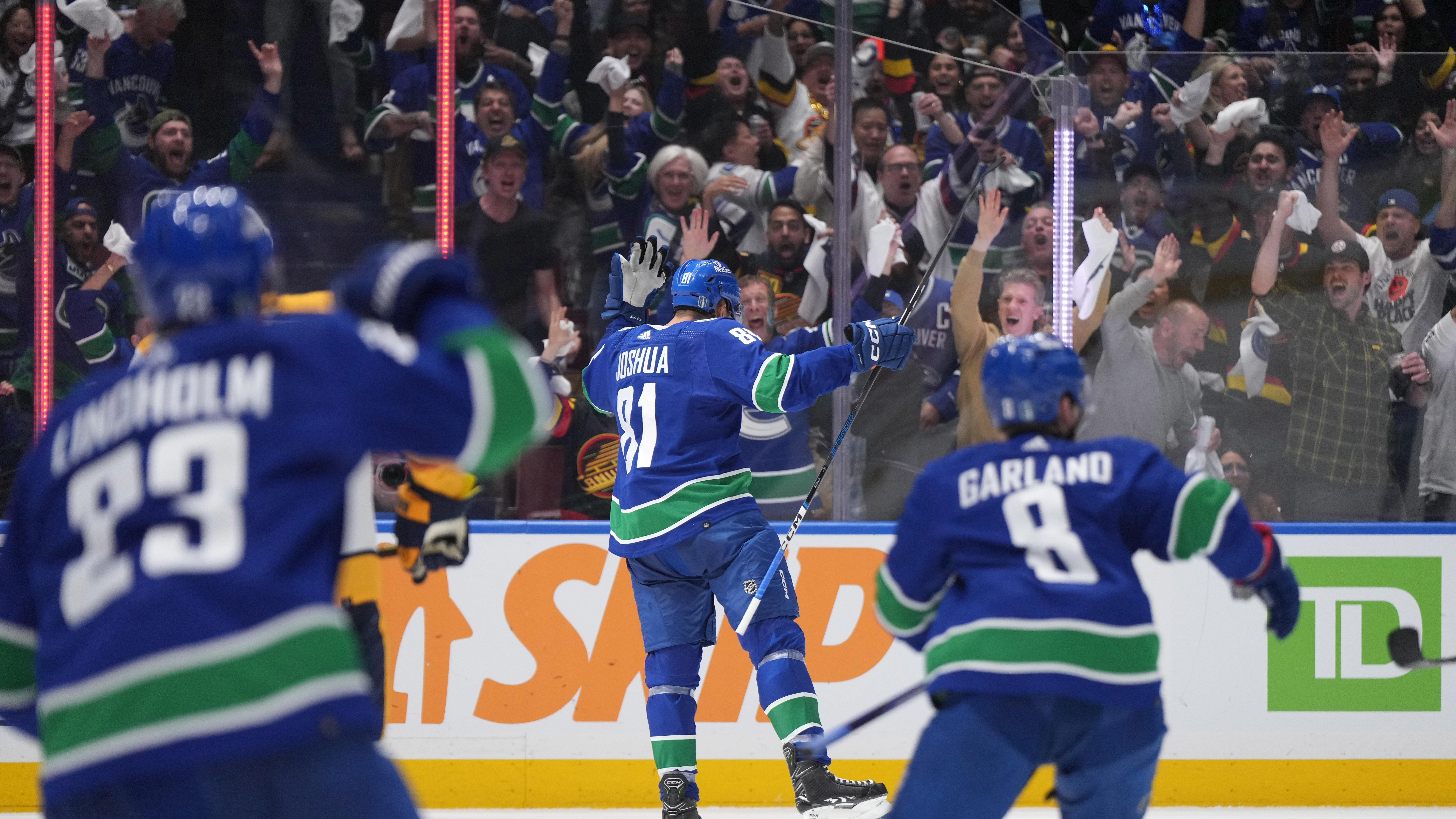
That is exactly what Sim's team tried to do. During the Canucks' 2024 second-round series against the Edmonton Oilers, the city staged its first sanctioned viewing party at Oak Meadows Park, a 2,000-capacity green space in the South Cambie neighborhood, well outside the downtown core where the riots had unfolded. "A lot of the individuals who were working on this year's, you know, festivities, they were there in 2011 and so they had a lot of lived experiences, and from that came a plan that was put together with a lot of thought," Sim said at a news conference in May 2024.
The model was deliberately modular. Oak Meadows handled Round 2; community centres were reserved for the next round; the Pacific National Exhibition, with capacity for up to 6,000 fans, was held in reserve for a potential Conference Finals or Stanley Cup run. The template was to pull the energy outward, away from the Georgia Street corridor and its memories, and to let the police footprint shrink with it. "This is an opportunity that doesn't come up often, and we have an amazing team," Sim said in 2024. "It's also a time to show off the fact that Vancouver fans can celebrate in a family friendly, fun and safe way."
It worked, in the sense that no riot occurred. It also did not require a Stanley Cup Final. The Canucks fell in seven games to Edmonton, and the largest crowd-control challenge the city had to manage stayed hypothetical.
The Bottom Line Behind the Hat
Sim has been unusually candid about the math. "We can handle it, but the costs, if they made another (Stanley Cup) run, the bill would be in the millions of dollars," he said in the same Daily Hive interview. The figure echoes what Ian Tostenson, CEO of the B.C. Restaurant & Food-Services Association, told The Globe and Mail in 2024: that he supported a "cautious approach" to Stanley Cup celebrations because, in his view, another Georgia Street gathering carried the risk of "set[ting] us back years." Tostenson also pointed out, accurately, that Vancouver is capable of handling major international events. "Big events like FIFA and big concerts and stuff, we're able to do that really well," he said. The implicit contrast with an NHL playoff round was almost the whole argument.
That contrast is exactly what made Sim's quote land poorly in 2026. The Canucks are in what the French-language outlet DansLesCoulisses, covering the controversy, called "une longue reconstruction" — a long rebuild that, barring a miracle, will keep them near the bottom of the standings. His wish, in other words, is on track to be granted by the hockey operations department rather than the mayor's office. Meanwhile, Vancouver is finishing its preparation for the most heavily choreographed international tournament it has hosted since the 2010 Olympics.
Two Loyalties, One City
The dilemma Sim has put on the table is not really about whether the Canucks should win. It is about who eats the cost of a celebration. The businesses in the Downtown Vancouver Business Improvement Association told CBC News in 2024 that they wanted watch parties, because "when people do come downtown and they're here to celebrate, there's a big economic impact for our businesses." Restaurateurs and hoteliers, by extension, are the economic winners of a deep run. The municipal ledger, by contrast, carries the police overtime, the street closures, the barricades, the after-action reports.
Hockey30, covering the controversy, made the obvious cross-country move and asked what would happen if Montreal's mayor faced the same trade-off. Soraya Martinez Ferrada's city filled the streets around the Bell Centre during the Canadiens' surprise 2025 run. No elected official there publicly said the team should lose to spare the budget. But the publication's underlying point is structural: the same arithmetic will eventually arrive in Quebec, and a Canadian city has now established that it is, at least, discussable.
Vancouver's mayor is not really asking the Canucks to fail. He is asking Vancouverites to acknowledge that the city's most passionate nights have, twice, ended in shards of glass and burned cars, and that the bill for preventing a third falls on a budget that did not budget for it. The FIFA World Cup will test whether his team can pull off the safer version of the same trick on a global scale. The Canucks, almost incidentally, may give them the dry run.
Sources
These sources formed the evidence pack for this article. Links open the original publisher; inclusion does not imply endorsement.
- theglobeandmail.com original
- danslescoulisses.com original
- thecanuckway.com original
- Hockey30 original
- ici.radio-canada.ca original
- cbc.ca original
- markerzone.com original


