Scores, fixtures and picks
These fixtures are connected to teams or competitions named in the article. Live status and scores come from the normalized SportyPulses data feed; predictions are reader picks, not betting advice.
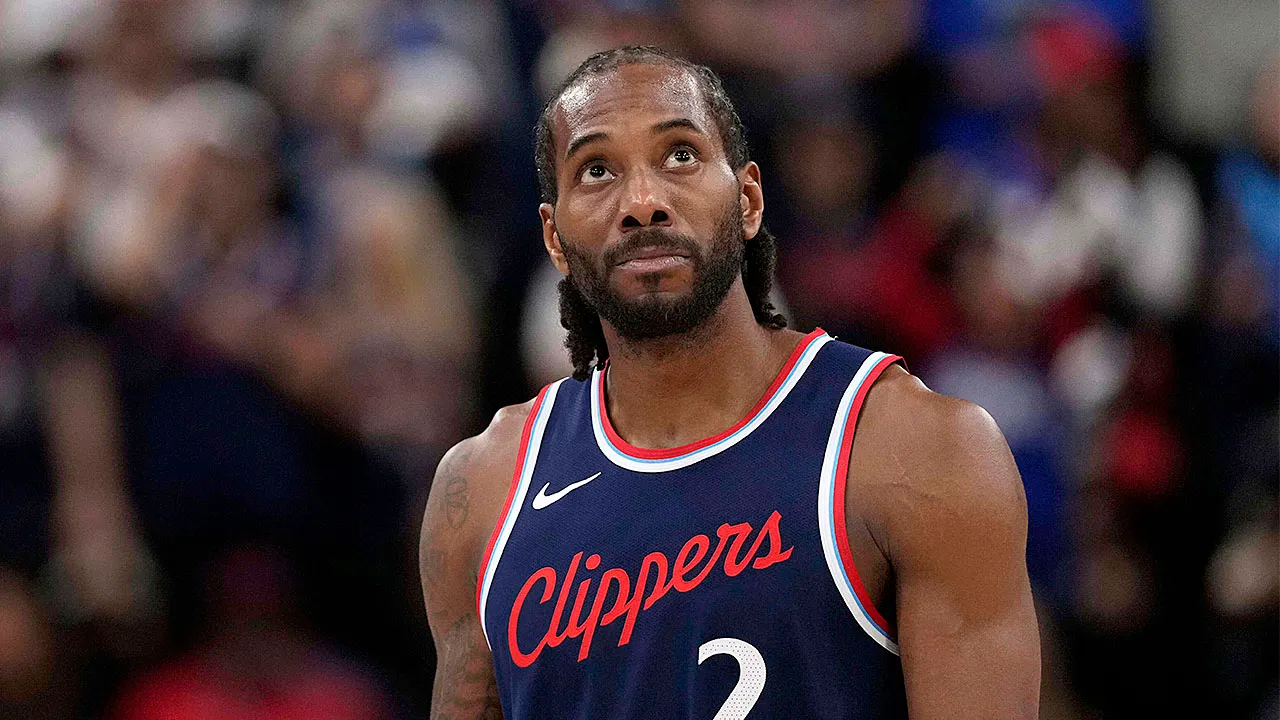
Seven years after delivering a franchise-defining championship banner to Canada and walking out in free agency, Kawhi Leonard is returning to the Toronto Raptors. The trade sending the two-time Finals MVP back north ends an expensive, injury-riddled era for the LA Clippers that yielded just three playoff series victories across seven seasons under owner Steve Ballmer.
To bring Leonard back, Toronto surrendered forward Brandon Ingram, guard Gradey Dick, two future first-round draft picks, a first-round pick swap, and two second-round draft picks. The move comes as Leonard remains under contract through 2027 earning over $50 million next season, with reports indicating he seeks a two-year, $126.1 million extension to close his career in Toronto.
The deal also resolves a high-stakes standoff that paused trade talks earlier in the summer while the league examined an off-the-books $28 million endorsement arrangement between Leonard and Aspiration—an environmental firm heavily backed by Ballmer. While NBA insider Shams Charania noted on the Shump Street podcast that potential league discipline had ranged from a 20-to-40 game suspension up to voiding the contract, Commissioner Adam Silver confirmed that the independent inquiry continues regardless of which jersey Leonard wears. With Toronto taking on that background operational risk, the basketball fit shifts immediately to the floor.

Isolate, Switch, Protect: How Leonard Solves Toronto's Execution Deficits
Toronto made significant leaps last season, adding 16 victories over their 2024-25 campaign and posting a plus-2.9 net rating per 100 possessions—their best mark in six years. However, their top-five defensive ranking (112.1 points allowed per 100 possessions) hid critical structural flaws that exposed them against elite opposition. Against top-10 offenses, Toronto’s defensive rating plummeted to 117.3 per 100 possessions, matching their ranking as the 12th-rated defense in the first round of the playoffs during a seven-game exit against the Cleveland Cavaliers.
Fouling was a central culprit. Toronto ranked 23rd in opponent free throw rate (27.9 attempts per 100 field goal attempts), a figure that ballooned to 31.8 per 100 in the postseason. Furthermore, starting center Jakob Poeltl struggled in space, allowing opponents to shoot a career-worst 63.9% at the rim. In response, rookie Collin Murray-Boyles eclipsed Poeltl’s playing time against Cleveland, logging 191 minutes to Poeltl’s 134.
Replacing Ingram with Leonard dramatically alters Toronto’s defensive architecture. Leonard remains an elite, low-foul disrupter. Last season, Leonard racked up 122 steals and 27 blocks against just 78 personal fouls—posting the highest ratio of steals and blocks per foul among 378 NBA players with at least 500 minutes logged. A switchable frontline featuring Leonard, Scottie Barnes, and Murray-Boyles allows Toronto to stay disciplined on the perimeter without surrendering free throws.
Offensively, Toronto’s top challenge is late-clock shot creation. While the Raptors generated 28.6 transition points per game (third in the NBA), they possessed the league’s sixth-worst overall offense across the last three seasons and ranked second-to-last in late-clock efficiency. In the final six seconds of the shot clock, Toronto generated a meager 43.3% effective field goal percentage, better only than the Indiana Pacers.
Leonard directly addresses that late-clock stagnancy. Over the past three seasons, Leonard has maintained a 53.0% effective field goal percentage in the final six seconds of the shot clock, ranking ninth among 131 players with at least 250 late-clock attempts. On isolation possessions, the upgrade over Ingram is stark:
| Player / Profile | Isolation Points Per Chance | Playoff True Shooting % (Career) | Playoff Scoring Volume | thead>tbodytrKawhi Leonard | 1.07 (6th among 28 with 1,000+ isolations) | 62.1% (2nd all-time, 10+ GP / 20+ PPG) | 21.5 PPG (146 games) | trBrandon Ingram | 0.99 (24th among 28 with 1,000+ isolations) | N/A | N/A | tbody
|---|
Across 146 career playoff appearances, Leonard’s 62.1% true shooting percentage ranks second in NBA history among players averaging at least 20 points over 10 or more postseason games, trailing only Anthony Davis (62.2% across 60 games). Since 2017, Leonard’s postseason numbers expand to 28.6 points per game on 63.2% true shooting over 71 games, giving Toronto the ultimate half-court bail-out option to pair with Barnes.
The Complete Demolition of the Clippers' High-Rent Blueprint
For the LA Clippers, trading Leonard represents the total reset of an aggressive veteran push that unraveled in five months. Just one year ago, Los Angeles loaded its roster around Leonard, James Harden, and Ivica Zubac by acquiring Bradley Beal, John Collins, Brook Lopez, and Chris Paul.
Today, Lopez stands as the sole survivor of that group on the roster. Paul’s second stint in LA ended quickly, Harden and Zubac were dealt at the trade deadline, Leonard is now bound for Canada, and unrestricted free agents Beal and Collins are unlikely to return. Entering the 2026-27 season, players under contract or committed to new deals account for just 42% of the Clippers' 2025-26 minutes—the lowest continuity rate in the league. Even if restricted free agents Bennedict Mathurin and Jordan Miller re-sign, that mark rises to only 52%.
After ranking 24th in rookie and second-year minute allocation (12%) last season, Los Angeles pivots entirely toward a youth movement anchored by point guard Darius Garland and rookie guard Keaton Wagler.
Evidence-Led Forecast: Toronto's Half-Court Efficiency and Lineup Trajectory
Sources
These sources formed the evidence pack for this article. Links open the original publisher; inclusion does not imply endorsement.
- nba.com original
- foxnews.com original
- nypost.com original