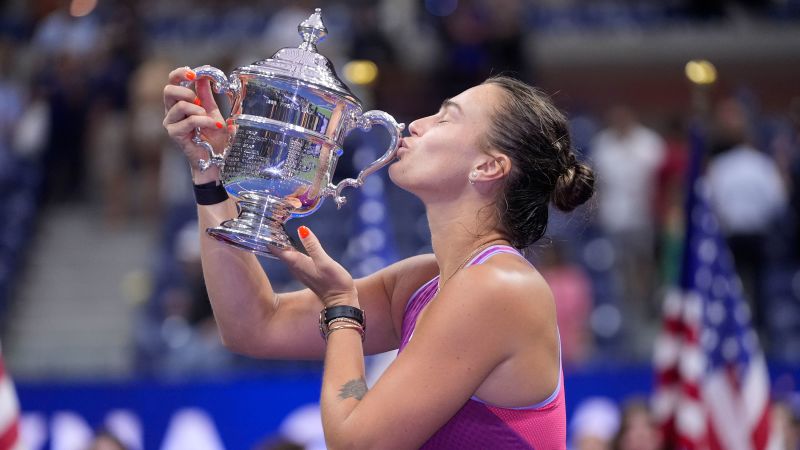
Navigating the broadcast maze of a Grand Slam tennis tournament has evolved from a simple decision on which channel to turn on into a strategic exercise in platform selection. As the 2026 US Open concluded at Flushing Meadows—capping three weeks of action from the opening qualification rounds on August 24 through the women’s final on September 12 and the men’s final on September 13—tennis enthusiasts were met with a distinctly fragmented media landscape. Viewers seeking to follow top-ranked stars like Jannik Sinner, Carlos Alcaraz, Aryna Sabalenka, and Iga Świątek faced clear trade-offs between traditional linear curation, comprehensive court subscriptions, event-specific pay-per-view passes, and low-cost digital alternatives.
Linear Curation Versus All-Court Autonomy
For decades, standard cable television provided the default doorway into Grand Slam tennis. In the European market, Eurosport 1 and Eurosport 2 maintained that tradition for the 2026 main draw starting August 30, delivering roughly 265 combined hours of live broadcasting packed with expert studio commentary, player interviews, and tactical analysis. However, the inherent physical limit of a two-channel broadcast network creates a permanent constraint: editorial directors, rather than fans, dictate which court gets airtime.
When high-stakes early-round matches overlap across the outer courts of the Billie Jean King National Tennis Center, linear viewers often find themselves locked into a single marquee match while tight five-set battles or crucial tiebreaks unfold elsewhere unmonitored. For casual observers wanting top-tier produced television, Eurosport’s integrated cable broadcast remains friction-free. But for dedicated tennis followers monitoring specific player pathways or outer-court seeds, the two-channel framework leaves significant blind spots across the tournament's extensive daily schedule.
The On-Demand and Multi-Court Ecosystem
To overcome linear editorial constraints, streaming services have increasingly pivoted toward complete court access. The most comprehensive subscription solution for the 2026 US Open was delivered via HBO Max equipped with its dedicated Sport extension. Operating at a baseline fee of €9.99 per month for the Standard package plus a €3 per month Sport add-on (bringing the minimum entry point to €12.99 per month), the platform broadcast every single match from the qualifying rounds straight through to the trophy presentations.
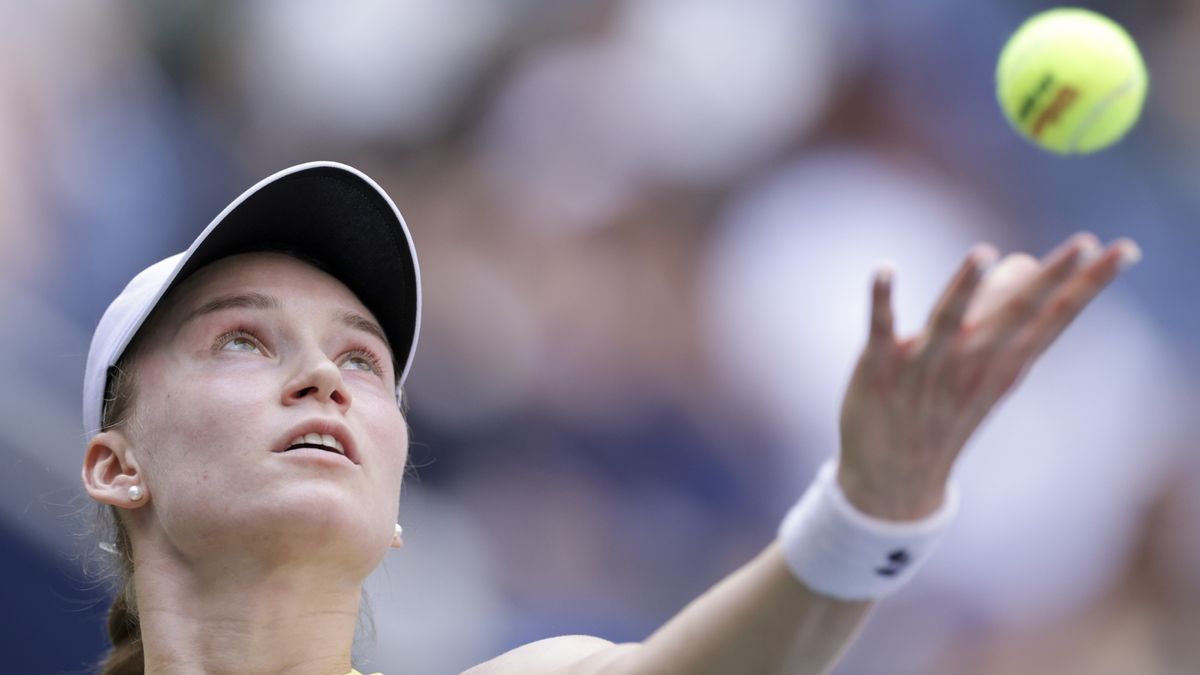
Crucially, this digital model grants fans full navigational autonomy. Rather than waiting for a linear feed to switch away from a blowout, subscribers can manually jump between courts or utilize advanced player features. HBO Max integrated a Multiview function capable of displaying up to four simultaneous match streams, complemented by a "Key Moments" feature that pinpoints turning points and critical rallies. Furthermore, the platform preserved full match replays and highlights on-demand, though viewers relying on simultaneous screens were capped at a strict two-stream concurrent playback limit per account.
Flexible Event Passes and Digital Platform Friction
For viewers who resist recurring monthly commitments, alternative OTT operators have tested pay-per-view models aimed squarely at single-event consumers. Platforms such as SPORTEUROPE.TV structured their offering around standalone event passes, allowing fans to access US Open coverage without taking on an ongoing contract. One user review captured the appeal of avoiding multi-month billing cycles, noting, USOpen für 25€ ist absolut fair
when evaluating the platform's standalone pricing structure SPORTEUROPE.TV user review.
Yet standalone streaming options carry their own operational compromises. User experiences across non-traditional platforms often highlight tension between access models and platform mechanics. While standalone event passes eliminate recurring fees, users frequently encounter pre-roll advertisements when opening streams unless upgraded to specialized ad-free tiers. Technical organization within app interfaces also presents challenges during multi-court events. Responding to user feedback regarding live navigation, the platform developers clarified: Unter dem Menüpunkt ,,Live" zeigen wir alle anstehenden Streams an. Es ist dabei nicht möglich nach Sportarten zu filtern
SETV Developer Team. This structural setup requires fans to search manually by time or match rather than sorting directly by sport or league.
Betting Feeds and Free English Audio Alternatives
Outside of standard subscription models and linear TV, alternative access pathways served fans prioritizing lower cost or mobility. Registered users on bookmaker streams such as TV Tipsport gained video access to the entire 2026 tournament, spanning qualification through the singles finals. The service provides new verified accounts with seven days of free live streaming, after which access requires a minimal account activity threshold of placing €1.20 in wagers over a 30-day window rather than paying a monthly subscription fee. These betting feeds pair live match video directly with real-time statistics, game scores, and in-play odds across desktop and mobile devices.
For fans unable to watch video streams while traveling or working, official audio coverage offered an unfiltered, free option. US Open Radio provided continuous English-language commentary throughout the tournament, launching daily at approximately 10:30 AM Eastern Time in New York (16:30 Central European Time) and broadcasting continuously until the final ball of the night session. Rather than anchoring to one court, radio commentators dynamically rotated between active matches across Flushing Meadows while capturing atmosphere and background reports from the grounds.
Comparing Broadcast Vectors for Flushing Meadows
The table below summarizes the key operational, financial, and access differences between the primary viewing pathways available for the 2026 US Open:
| Platform / Channel | Access Scope | Pricing Structure | Key Features & Constraints |
|---|---|---|---|
| Eurosport 1 & 2 | Main Draw only (Aug 30 onwards) | Included in standard cable TV packages | ~265 live hours; curated linear selection; high-end studio analysis. |
| HBO Max (with Sport Add-on) | All courts; Qualification (Aug 24–27) to Finals | €9.99/mo (Standard) + €3/mo (Sport add-on) | Every match live; Multiview (up to 4 streams); Key Moments; max 2 concurrent streams. |
| SPORTEUROPE.TV | Complete tournament coverage | ~€25 single event pass (No ongoing subscription) | Pay-per-view flexibility; on-demand replays; pre-roll ads without PLUS pass. |
| TV Tipsport | Qualification through Finals (All courts) | Free 7-day trial; €1.20 wagering / 30 days | Integrated live scores, stats, and in-play odds; mobile app streaming. |
| US Open Radio | Selected marquee matches & grounds coverage | Free (Official audio stream) | English commentary; starts ~10:30 AM NY time; roving multi-court format. |
As sports broadcasting continues to decouple from traditional cable bundles, the 2026 US Open highlighted how viewer preferences shape platform choice. Whether prioritizing the curated polish of linear Eurosport, the total multi-court control of HBO Max, single-event pay-per-view flexibility, or low-cost betting streams, tennis fans now hold complete control over how they experience Flushing Meadows.
Sources
These sources formed the evidence pack for this article. Links open the original publisher; inclusion does not imply endorsement.
- apps.apple.com original
- stavkovekancelarie.com original
- ran.joyn.de original