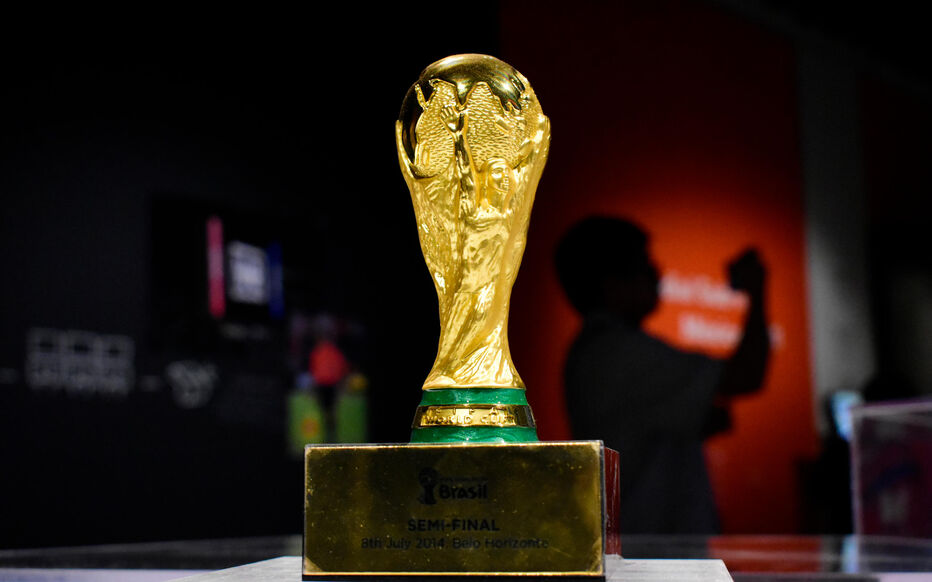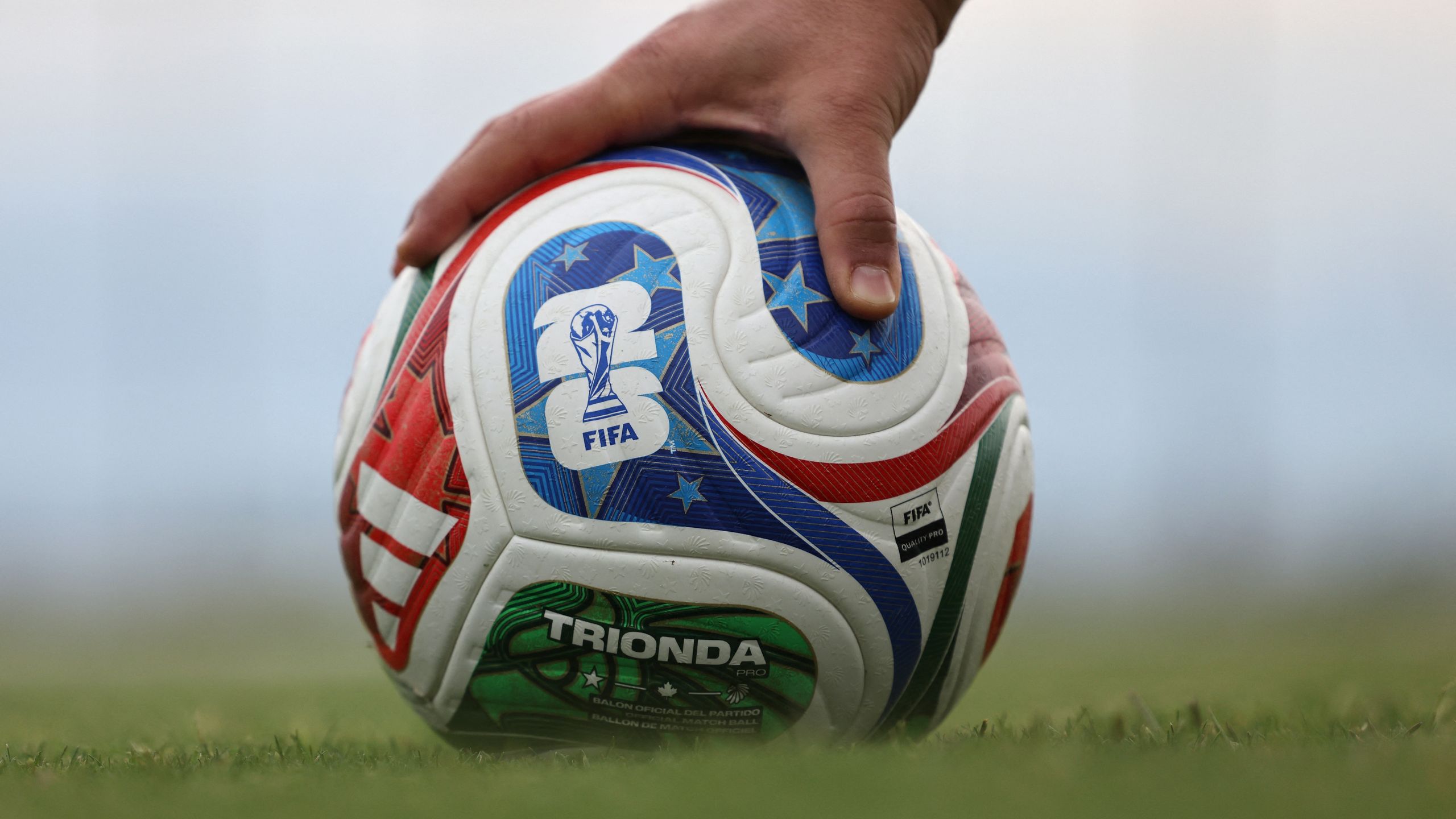
The seismic aftershocks of the 2026 World Cup have yielded more than just continental champions and post-tournament fatigue; they have detonated an open governance war between European domestic power structures and world football's governing body. At the center of the storm is LaLiga president Javier Tebas, who has sharply escalated his campaign against FIFA president Gianni Infantino, declaring unequivocally that the Swiss administrator's time at the helm is finished.
While Spanish celebrations following La Roja's tournament victory briefly masked the friction, Tebas shattered any lingering diplomatic silence in an interview with La Gazzetta dello Sport, subsequently reinforced by a blistering series of social media dispatches. The flashpoints are numerous and structural, ranging from the controversial introduction of a potential 64-team format for the 2030 World Cup centennial to the systemic commercial ambitions that continue to alienate domestic leagues.
Augmenter le nombre d'équipes nationales n'a aucun sens,
Javier Tebas stated, directing fierce criticism at the sheer logistical weight of international expansion. L'industrie du football ne se résume pas à la Coupe du monde, aussi importante soit-elle. Ils sont en train de détruire l'industrie du football, celle qui génère des dizaines de milliers d'emplois, pour un événement qui dure 40 jours et ne concerne qu'une minorité de joueurs.
Beyond the Pitch: The Anatomy of a Systemic Rift
Tebas’s objections extend far beyond simple calendar congestion, striking directly at what he characterizes as an autocratic decision-making matrix. The LaLiga chief pointed to a cascade of governance failures during the recent North American tournament: the introduction of hydration breaks described as little more than manufactured windows for commercial inventory, the controversial reversal of Folarin Balogun's red card during the knockout rounds following outside intervention, and soaring ticket prices that marginalized everyday supporters.
Even FIFA's recent tactical retreat—abandoning its controversial project to open competitions to private commercial investors—failed to appease the Spanish executive. While acknowledging the abandonment of the privatization proposal as a positive step, Tebas warned against viewing the maneuver as a genuine cure.
Que la FIFA ait retiré sa proposition de privatiser ses compétitions est une bonne nouvelle,
Javier Tebas noted in a detailed public statement. Mais ce serait une grave erreur de penser que cela résout le problème de gouvernance. Les confédérations, associations, Ligues, joueurs... ne devraient pas se contenter de ce retrait et considérer l'affaire comme close. La question est bien plus profonde.
The Electoral Reality and the Absence of Opposition
Despite the intensifying war of words, the mechanics of FIFA's internal politics present a formidable barrier to actual reform. Having led the organization since 2016, Infantino is positioned as the clear favorite to secure a fourth mandate in the upcoming March 2027 elections. Tebas himself harbors few illusions about the speed of institutional turnover, conceding that the current framework insulates incumbent leadership.
Je pense que son temps est révolu,
Tebas conceded regarding Infantino's tenure. Cependant, il a le soutien du système, des fédérations. Il n'y a pas de candidat d'opposition, personne ne veut se présenter juste pour perdre. C'est le système, et c'est un système pourri à la base.
When Infantino attempted to counter his critics via an Instagram defense—writing that while you sit in the background, we at FIFA are on the front line... when you divide, we unite
—Tebas delivered an immediate, caustic retort. Characterizing the FIFA president's messaging as defensive and pathetic,
the LaLiga chief maintained that administrative transparency and rigorous accountability are fundamental duties rather than manifestations of hostility.
As European stakeholders grapple with an ever-expanding international calendar that routinely sidelines domestic leagues operating 365 days a year, the rift between Madrid and Zurich highlights a growing institutional fragility. With the 2030 centenary tournament looming across multiple continents and a 64-team expansion actively debated, the battle over who truly controls the economic and structural levers of world football is bound to intensify long before the ballot boxes open in 2027.
Sources
These sources formed the evidence pack for this article. Links open the original publisher; inclusion does not imply endorsement.
- flashscore.fr original
- Par Mathieu Trimbach Le 21 juillet 2026 à 17h29 original
- Charles Bourgoin original
- Abdelmawgood Samir original
- Media365 original
- fr.news.yahoo.com original
- Valentin Feuillette original