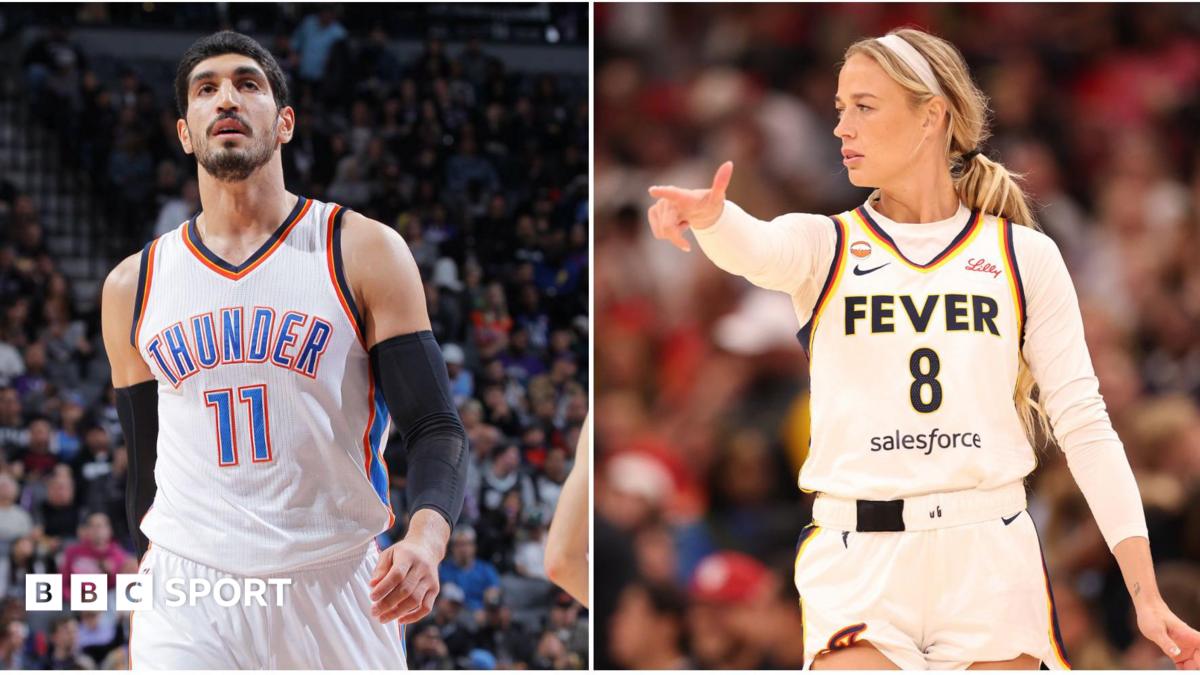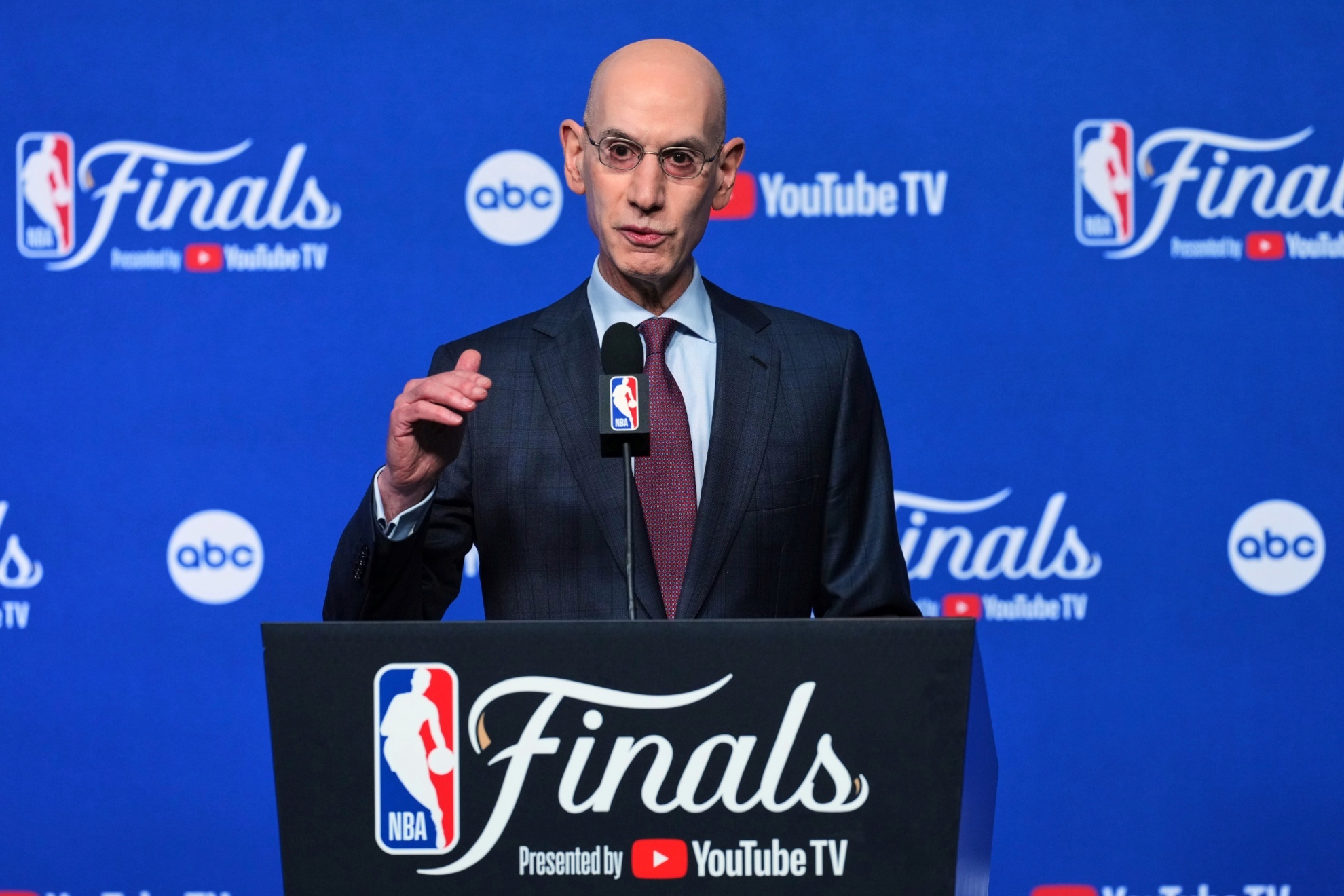
When elite sports diplomacy converges with global championship weekend, billion-dollar boardrooms rarely sleep. While global attention focuses on MetLife Stadium for the FIFA World Cup final, NBA Commissioner Adam Silver and Deputy Commissioner Mark Tatum are holding a series of crunch, high-level meetings across New York City with prospective owners for the nascent NBA Europe project.
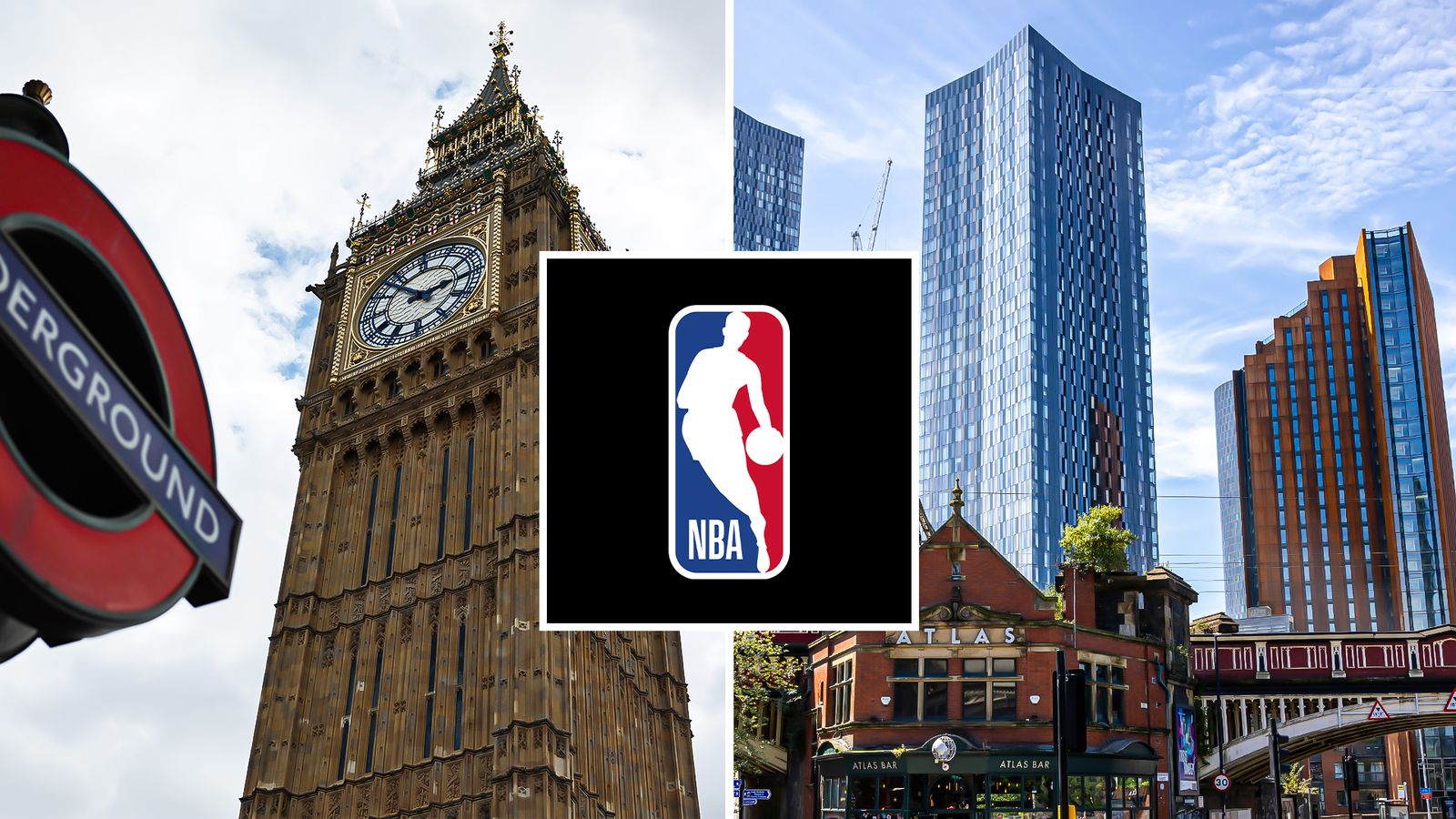
Following the NBA Board of Governors meeting in Las Vegas, the league finds itself sifting through more than 20 finalized bids spanning 12 target cities: London, Manchester, Paris, Lyon, Madrid, Barcelona, Rome, Milan, Berlin, Munich, Athens, and Istanbul. With a target launch date of October 2027 remaining firmly on schedule, the timeline to lock down foundational owners has entered a critical phase. Silver signaled to media that league brass hopes to wrap up an initial group of franchise deals over the coming weeks, paving the way for rolling announcements by early autumn.
The Bidding Landscape: London and Manchester at the Forefront
The financial scale of the proposals underscores an unprecedented influx of capital into the European club game. Initial entry fees for a permanent franchise were projected between $500 million and $1 billion, yet multiple groups have shattered those guardrails with offers topping the 10-figure mark. Nowhere is that competitive heat more intense than in the United Kingdom.
London stands out as the most heavily contested market, anchored by multi-billion bids and an array of high-profile suitors. Reports indicate that Liberty Global, a consortium pairing former Tottenham Hotspur executive chairman Daniel Levy with MSP Sports Capital co-founder Jahm Najafi, and the Reuben family are among those circling the English capital. Meanwhile, Buss Sports Capital—founded by members of the family formerly owning the Los Angeles Lakers—has entered the mix across multiple cities, including London, Manchester, and Lyon. Bids in the UK also reflect heavy cross-over interest from elite football stakeholders, with entities tied to groups like Saudi Arabia's Public Investment Fund and Chelsea co-owner Todd Boehly credited with eyeing the London market.
The Institutional Battleground: EuroLeague Friction
Despite the surging capital, the path toward October 2027 carries profound structural and political hurdles. At the center of the friction is the institutional standoff with the existing EuroLeague. Major continental powerhouses such as Real Madrid, ASVEL, and Fenerbahçe have submitted bids or explored options to join NBA Europe despite holding long-term 10-year licenses with the EuroLeague—contracts reportedly fortified by exit clauses worth around €10 million.
The philosophical divide centers on asset valuation. The NBA insists that any organization stepping into a permanent franchise must participate directly in the ownership and investment process. Conversely, EuroLeague CEO Chus Bueno argues that historic clubs bring irreplaceable intellectual property, century-old fanbases, and deep community equity that must be factored into the economic ledger. As Bueno noted to Eurohoops regarding clubs like Real Madrid, Barcelona, Bayern, and Olympiacos: They already 'own' their cities, and that needs to be taken into account.
While Silver has consistently expressed a preference for a consolidated, harmonious European basketball ecosystem, league leadership has made it clear that the project will advance regardless of the EuroLeague's stance.
Economic Model and League Structure
- Competition Format: A 16-team league featuring 12 permanent franchises alongside four spots determined annually on sporting merit via FIBA competition paths like the Basketball Champions League.
- Financial Projections: The NBA estimates the venture could distribute more than $10 billion across the European basketball ecosystem in its first decade, with permanent franchises projected to break even by their third season.
- Capital Backing: The league has committed to funding early-stage operating losses to insulate franchise owners during the scale-up phase.
- Governance: Equity will be evenly split at launch, with current NBA owners holding 50% and the 12 permanent team owners controlling the remaining 50%. Former Lithuanian star and executive Arturas Karnisovas has also been brought in as a consultant to advise on governance, rules, and talent pathways.
As Silver and Tatum wrap up their New York summits with European investors this weekend, the decisions made behind closed doors will determine whether traditional European giants jump ship or whether a brand-new sporting hierarchy establishes its footprint on the continent.
Sources
These sources formed the evidence pack for this article. Links open the original publisher; inclusion does not imply endorsement.
- skysports.com original
- Javier Nieto original
- Credit REUTERS - Scanpix original
- mundodeportivo.com original
- Kurt Badenhausen original
- sportsbusinessjournal.com original
- Frank Dalleres original