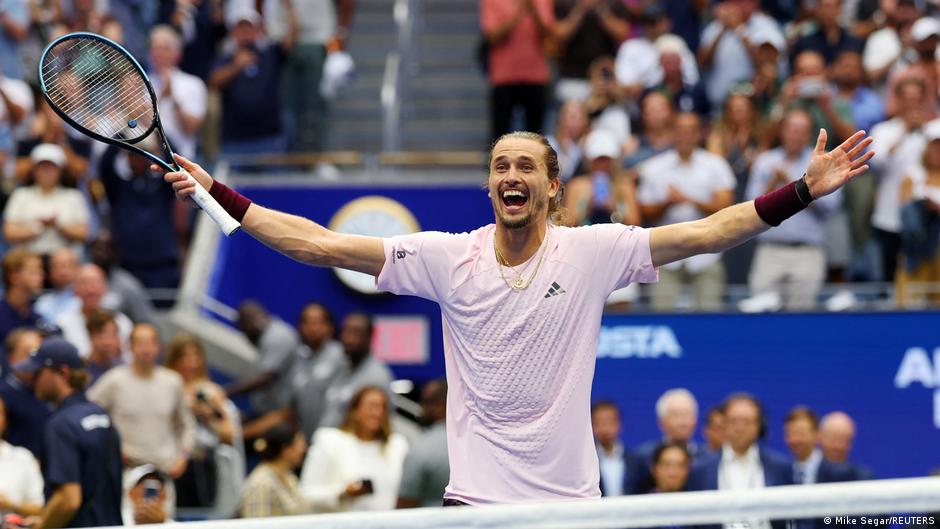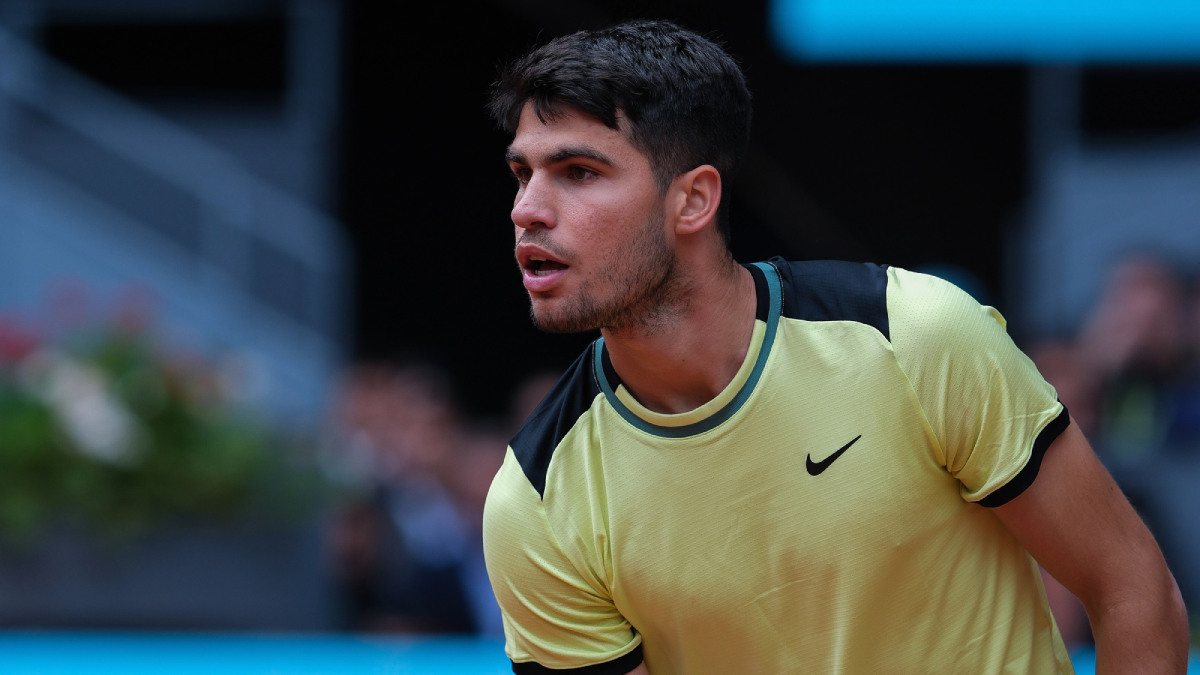
When the final points settled at the Leftwich Tennis Center, the inaugural Memphis Classic closed the book on a nearly decade-long professional tennis drought in the Bluff City. Men's professional tennis had not graced Memphis since the ATP Memphis Open packed its bags in 2017 following a history stretching back to 1975, while women's events had been absent since 2013. Yet as the dust settled on the new WTA 250-level tournament's debut week—culminating in Saturday's semifinal singles matches and an August 2 championship round—the infrastructure built for this exact moment proved its worth.
The journey to bring elite tennis back to Tennessee hinged heavily on a public-private partnership. Tennis Memphis CEO John Borden noted that the catalyst was a $33 million reconstruction of the Leftwich facility completed three years prior. When Topnotch Management found itself searching for a new home for its relocated WTA 250 event—previously staged in downtown Cleveland—the newly modernized Leftwich campus stood ready. To accommodate the professional field, Topnotch collaborated with Dallas-based LST Venues to erect a temporary 2,000-seat grandstand stadium for center court.
Operational Realities and Infrastructure Resilience
Hosting a brand-new professional event is never without its friction points. Tournament director Sam Duvall candidly framed the debut run as a learning year. While ticket sales generated strong momentum—bolstered by premium packages ranging between $1,600 and $1,900 that offered courtside seating, air-conditioned lounge access, food, drinks, and shaded viewing mezzanines—commercial sponsorships remained a work in progress. Topnotch secured key local and regional agreements with Campbell Clinic Orthopaedics, Grand Slam Tennis Tours, and Atlas Tennis, alongside broader brand activations from Mercedes-Benz and Verizon tied to tour-level broadcast arrangements.
Weather also tested the venue's mettle immediately. During the opening weekend qualifying rounds, sudden downpours suspended multiple matches. However, Leftwich's 36-court layout—split between 24 outdoor and 12 indoor surfaces—prevented logistical gridlock. They can just go inside, hit, stay warm, and then you just come back on the court and resume doing what you’re doing,
Borden explained of the facility's ability to roll with the punches.
Balancing Elite Competition with Community Access
Beyond the temporary grandstands and visiting international stars like Mexican standout Renata Zarazua, who advanced deep into the singles draw, organizers emphasized that Leftwich remains an active community asset. The facility manages public park tennis courts and runs grassroots programming, ensuring that local youth can take their first lessons just yards away from where international professionals warm up.
For Duvall and the operational team, the primary objective of this inaugural window was establishing a functional foundation to generate revenue and streamline logistics ahead of 2027. With a three-year contract locked in, the first Memphis Classic is officially in the rearview mirror, but the framework is already in place to anchor professional tennis in Memphis for the long haul.
Sources
These sources formed the evidence pack for this article. Links open the original publisher; inclusion does not imply endorsement.
- The Daily Memphian Staff original
- NewsDesk original
- Stuart Rucker and Garner Montgomery original
- bizjournals.com original