The architecture of a Grand Slam title is usually built on the bedrock of dominance, but as the 2026 US Open approaches, that foundation looks increasingly brittle. For the women’s game, the central tension lies in the psychological and tactical unravelling of the world No. 1; for the men, it is a structural vacuum created by a sudden, high-profile injury.
The Sabalenka Crisis
Aryna Sabalenka enters New York not as the intimidating force that has dominated the last two US Opens, but as a player navigating her greatest professional crisis in three years. The statistics paint a grim picture of a champion in decline: a mediocre 17-7 record dating back to the beginning of April, a stretch during which she has failed to reach a single final.
Her recent struggles have been defined by a devastating inability to close out matches. In Cincinnati, she surrendered massive leads—5-1 in a first-set tie-break and 4-1 in the second set—to the unheralded Sára Bejlek. This pattern of indecisiveness and unforced errors was even more visible at Wimbledon, where a straight-sets defeat to Naomi Osaka saw Sabalenka lose her composure entirely. In a moment of visible frustration, she launched a ball out of Centre Court, prompting boos from the crowd.

"I cannot be satisfied with anything today," Sabalenka admitted following her Wimbledon exit. "I feel like my level was really low today... I just feel like honestly I did everything I could with what I had today and she got a win."
The stakes in New York are absolute. To retain her top ranking, Sabalenka must secure the title. However, her path is cluttered with rivals who are not merely competing, but actively congregating at her doorstep.
The Women’s Hierarchy: Threats and Tensions
- Elena Rybakina: Currently sitting at No. 1 in the live standings, Rybakina is in control of her own destiny, provided her recent leg injury allows her to reach the semi-finals.
- Coco Gauff & Jessica Pegula: Both players possess the trajectory to seize the top spot if Rybakina falters in the semi-finals and either Gauff or Pegula claims the trophy.
- Iga Świątek: The 2022 champion appears rejuvenated following success in Toronto, moving past the anxiety that plagued much of her earlier season.
The Osaka Renaissance
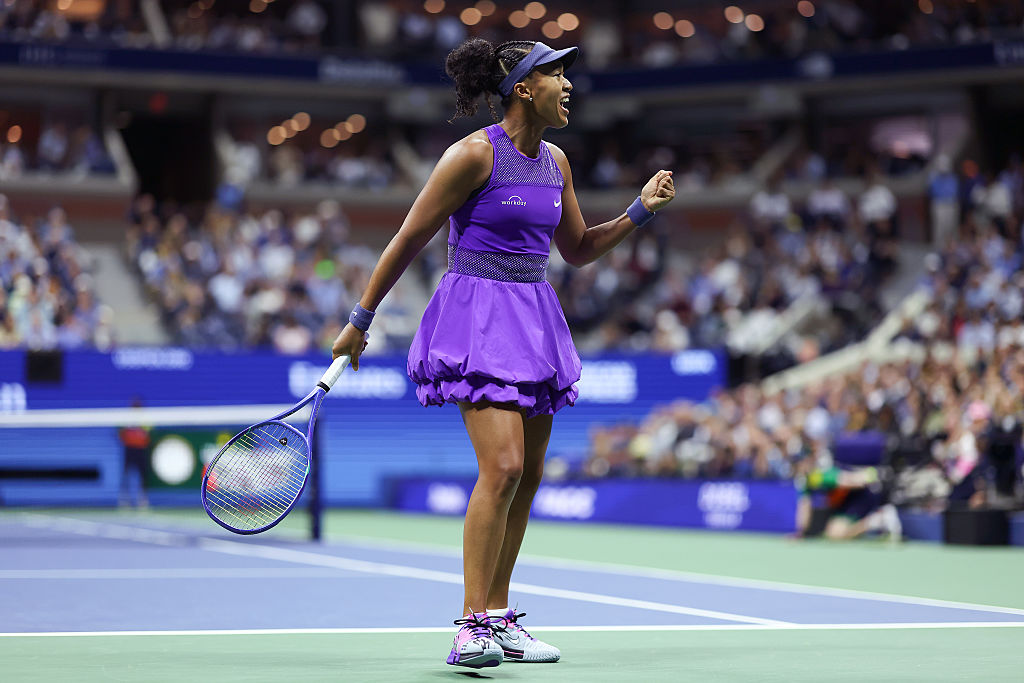
While Sabalenka struggles with the weight of expectation, Naomi Osaka appears to have found a sense of lightness. Her march to the US Open semi-finals—her first Grand Slam semi-final since becoming a mother—has been nothing short of a resurrection.
Osaka’s victory over No. 11 seed Karolina Muchova (6-4, 7-6) was a masterclass in resilience. After Muchova broke Osaka to start the second set, snapping a streak of 18 consecutive service holds, Osaka responded with the grit of a four-time champion. She likened the intensifying pressure of the deep Grand Slam rounds to a boxing match, but one fought with a tennis ball.
"I’m really inspired by all the moms on tour," Osaka said. "But I also have this feeling like I’m not doing good enough or that I’m being left behind... now I’m here and I feel like a weight has been lifted off my shoulders."
Her upcoming semifinal against Amanda Anisimova presents a significant hurdle. Despite her momentum, Osaka holds a difficult psychological disadvantage: she has lost both of her previous Grand Slam meetings against Anisimova in 2022.
A Vacuum in the Men’s Draw
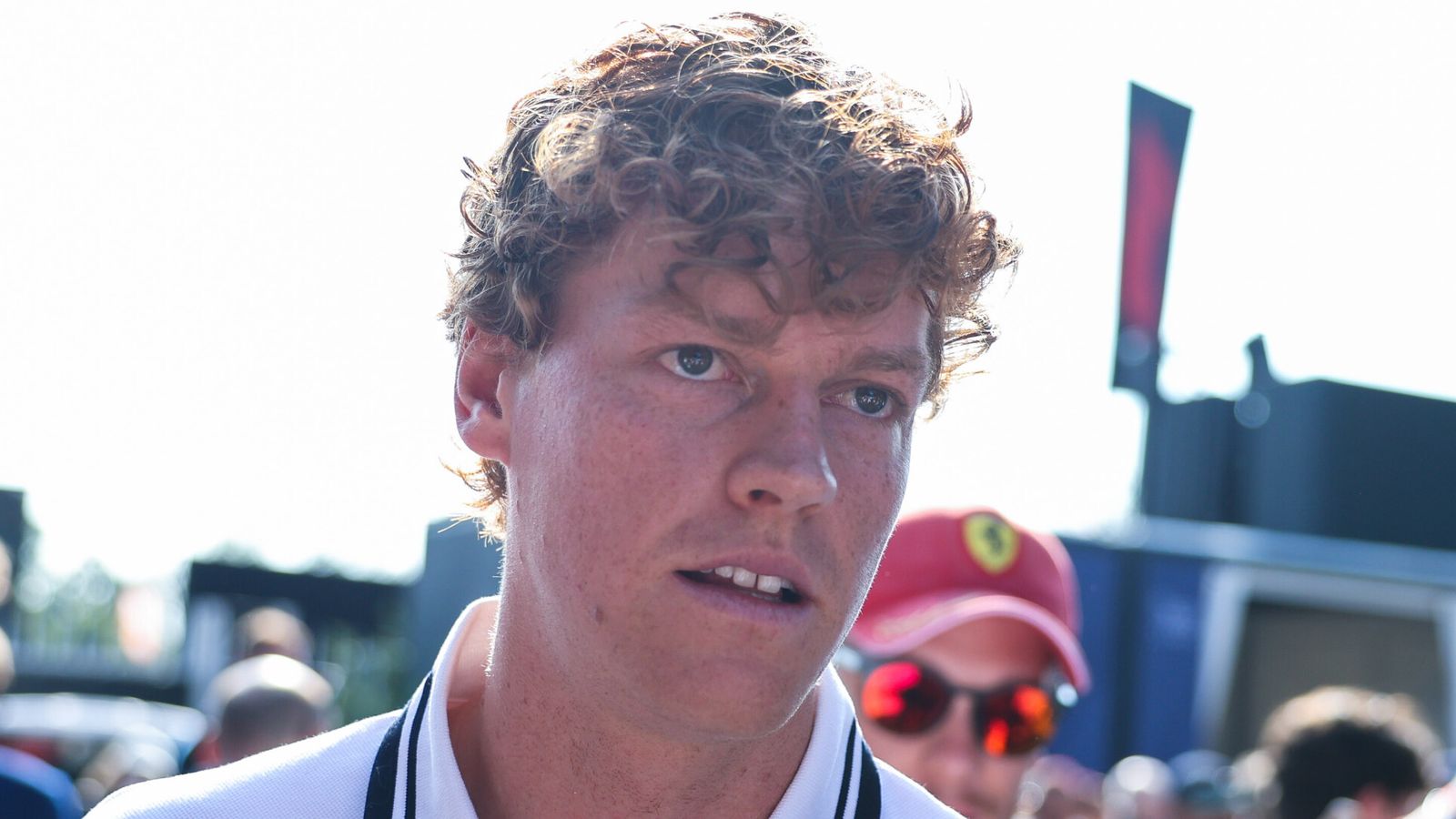
If the women’s side is defined by instability, the men’s draw is defined by absence. The withdrawal of Jannik Sinner due to a knee injury has fundamentally cracked the tournament wide open, removing a central pillar of the competitive landscape.
This vacancy has invited a wave of speculation regarding Carlos Alcaraz. While Alcaraz is capable of historic greatness, the prospect of him dominating immediately following a four-month layoff for a right wrist injury seems, at best, fanciful. His recent mixed doubles appearance alongside Serena Williams showed a visible caution in his serve, suggesting a level of rust that may be difficult to shake in a Grand Slam environment.
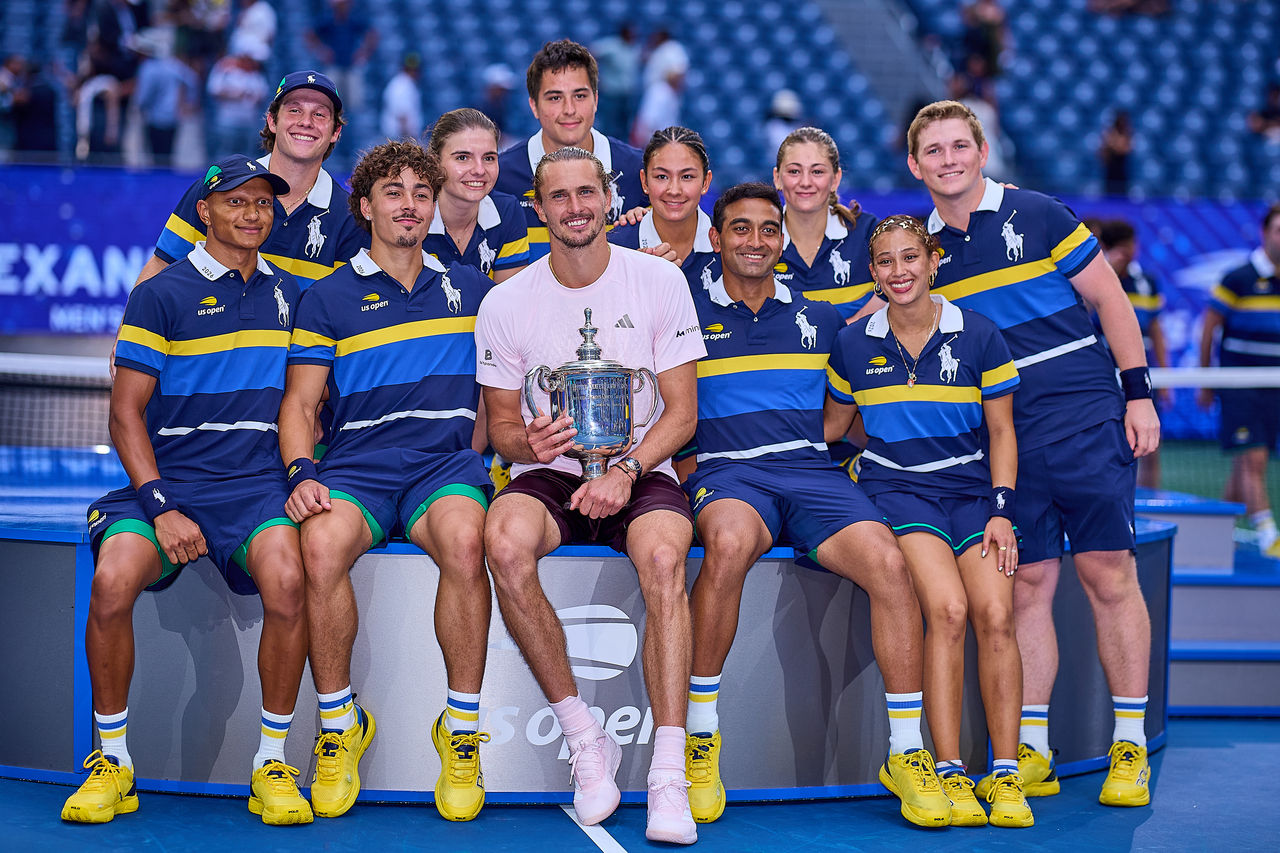
The void has instead opened a corridor for those who have seized the momentum of the summer. Alexander Zverev, fresh from his first Grand Slam title in Paris, stands as a primary contender. Meanwhile, the youth movement is accelerating; Ben Shelton and Arthur Fils, both major winners in recent weeks, have been drawn into a high-stakes fourth-round clash that serves as a microcosm of the tournament's new energy.
Even Novak Djokovic remains a wildcard. While he is managing a constant stream of physical issues that complicate a fortnight of play, he remains a persistent threat to the history books as he pursues his 25th Grand Slam title.
The Contenders’ Landscape
| Player | Recent Form / Context |
|---|---|
| Alexander Zverev | First Grand Slam winner (Paris); top seed contender. |
| Ben Shelton | Montreal champion; rising powerhouse. |
| Arthur Fils | Cincinnati champion; elite young talent. |
| Flavio Cobolli | Cincinnati semi-finalist; playing career-best tennis. |
| Félix Auger-Aliassime | Third seed; looking to repeat last year's semifinal run. |
With the traditional hierarchies disrupted by injury and uncharacteristic slumps, the 2026 US Open is poised to be a tournament of breakthroughs rather than defenses.
Evidence-Led Forecast: Osaka vs. Anisimova
Tactical Pattern: Expect a high-octane baseline battle. Osaka will look to utilize her forehand to dictate play and move Anisimova out of her comfort zone, while Anisimova will attempt to exploit Osaka's tendency to struggle with rhythm by hitting winners from aggressive positions.
Decisive Matchup: The ability of Osaka to maintain her service hold consistency. Muchova was able to break her streak of 18 holds; if Anisimova can exert similar pressure on the return, Osaka's momentum could stall.
Strongest Counter-Case: Anisimova’s head-to-head dominance. Having won both of their previous Grand Slam encounters (Australian Open and Roland Garros), Anisimova possesses the tactical blueprint to negate Osaka's power.
The Variable: If Anisimova’s shot-making remains as precise as it has been during her recent resurgence, the mental "weight lifted" that Osaka is feeling may be insufficient to overcome the tactical advantage held by the American.
Sources
These sources formed the evidence pack for this article. Links open the original publisher; inclusion does not imply endorsement.
- badmintonoceania.org original
- irishtimes.com original
- wtatennis.com original
- independent.co.uk original