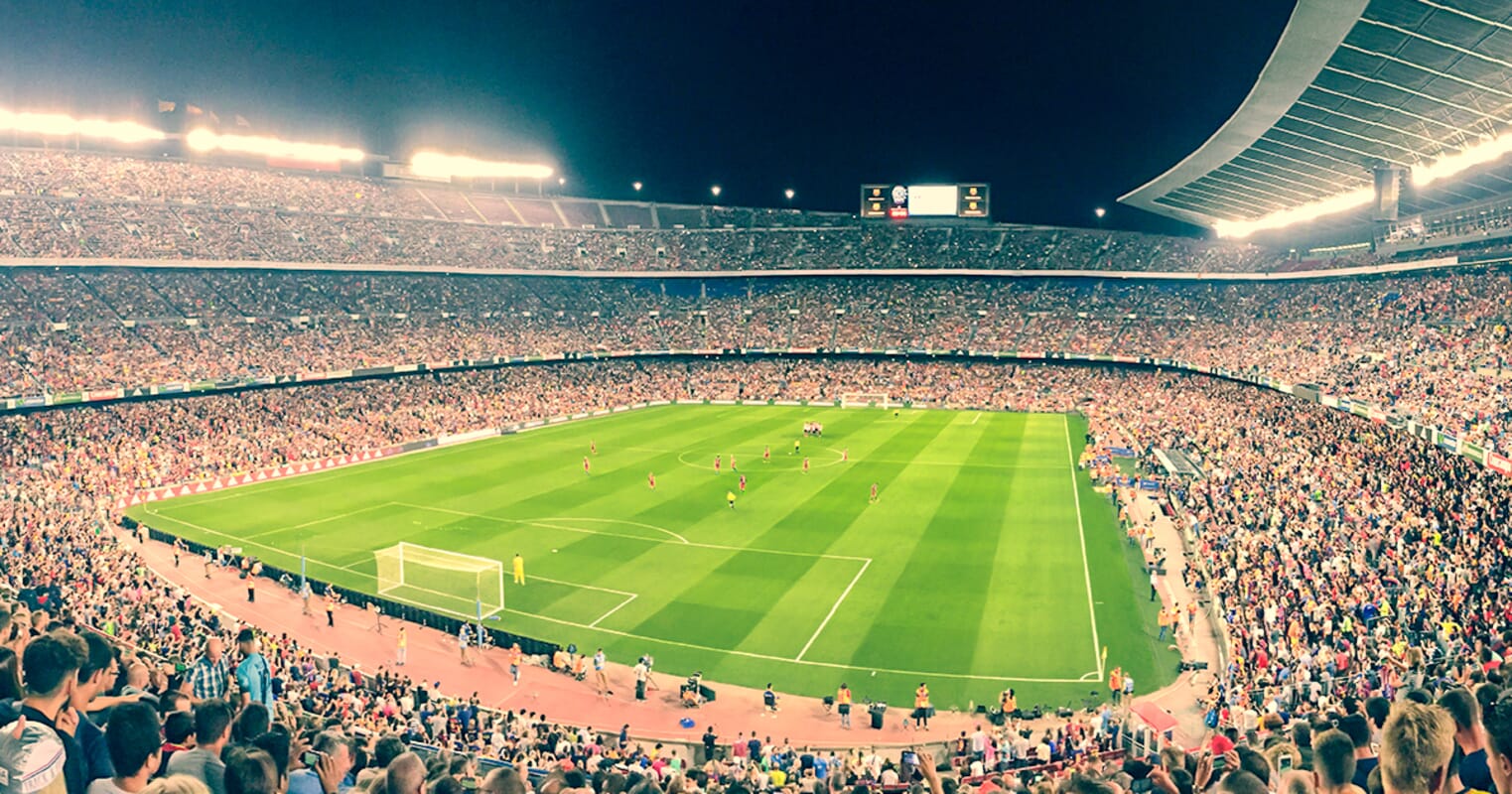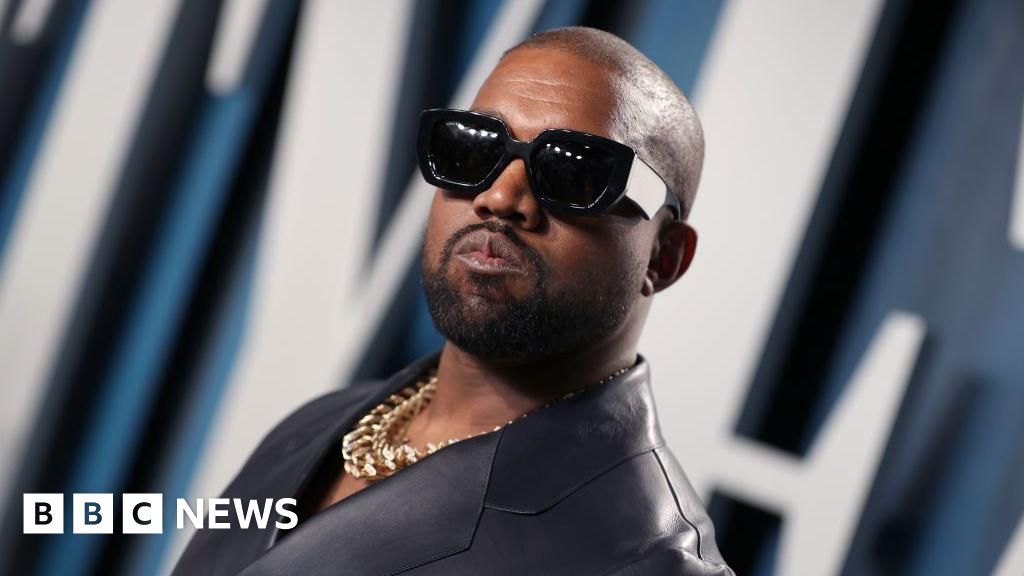
Eight years after Russia welcomed the sporting world for the 2018 FIFA World Cup, the long shadow of the Russia-Ukraine war continues to disrupt premier athletic and entertainment facilities. In St. Petersburg, Gazprom Arena—one of the central stadium hubs constructed for world football's marquee tournament—withdrew from hosting scheduled October performances by American artist Ye (Kanye West). Although event organizer Say Agency maintained that the concerts would proceed despite the stadium's sudden pullback, the standoff illustrates how security risks, economic uncertainty, and geopolitical friction are fracturing operations across major sports venues.
Arena Operations Under Conflict Pressure
The operational disruption at Gazprom Arena arrives alongside a wave of physical security challenges across regional infrastructure. Ukrainian drone strikes have repeatedly targeted commercial and logistics sites across Russia, striking online retail hubs such as Wildberries as well as energy targets like Lukoil’s NORSI refinery. With emergency services responding to incidents ranging from residential drone damage in Yekaterinburg to Black Sea fuel facility fires, managing massive public crowds at major sports stadiums presents severe operational complications.
The Kerch Strait Precedent and Escalating Security Protocols
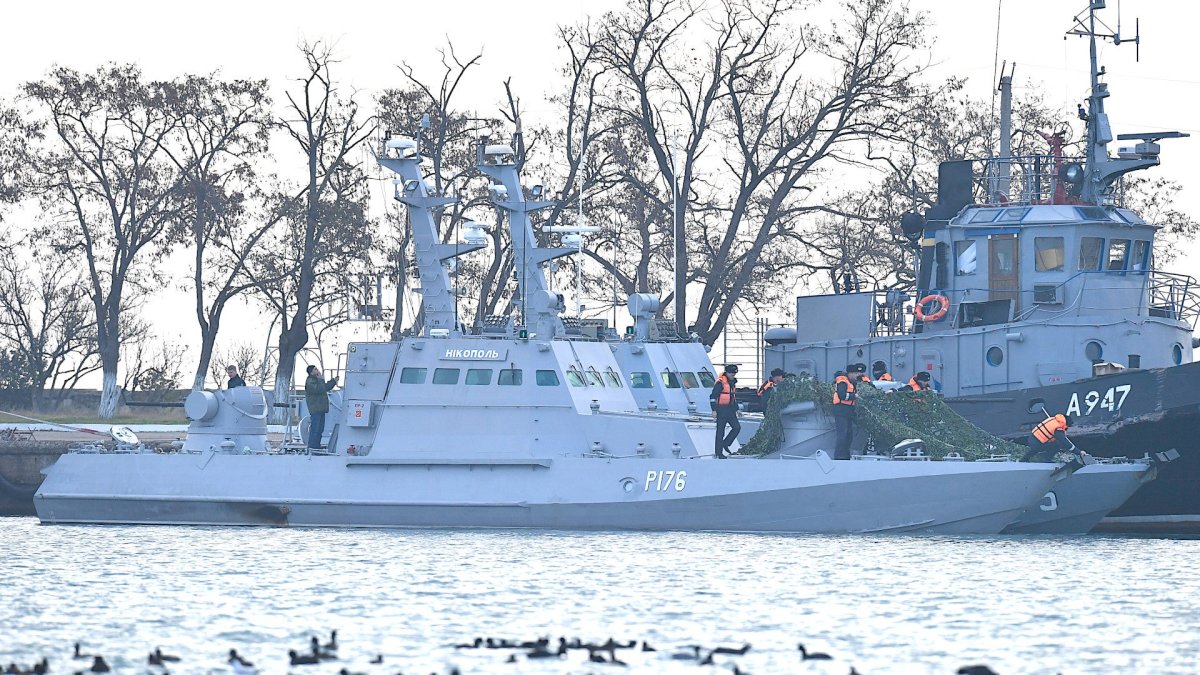
The heightened security atmosphere surrounding primary transportation and sports infrastructure builds upon years of compounding military clashes. A major escalation occurred during the November 2018 Kerch Strait skirmish, when Russian security forces intercepted three Ukrainian naval vessels—two patrol boats and a tugboat—and detained 24 Ukrainian sailors near Russian-controlled Crimea. Following the naval brawl, Ukraine's parliament voted 276 to 30 to enact a 30-day decree of Martial Law requested by then-President Petro Poroshenko, empowering the SBU counter-intelligence service and border authorities while American RC-135V/W Rivet Joint aircraft and RQ-4B Global Hawk drones monitored the Black Sea region.
During an emergency meeting of the United Nations Security Council addressing the Kerch Strait blockade, U.S. Ambassador Nikki Haley criticized Russia's military posture in stark terms. This is no way for a law-abiding civilized nation to act. Impeding Ukraine’s lawful transit through the Kerch Strait is a violation under international law,
Haley said, characterizing the naval action as an arrogant act that the international community must condemn and will never accept.
The institutionalized security protocols established during that crisis continue to govern access and physical protection around critical regional venues.
Economic Disruption Across Premier Venues
Beyond physical security risks, stadium managers and event organizers face severe domestic financial headwinds. Russian households and commercial businesses have accumulated an additional $25.3 billion in cash holdings, representing the largest rush toward liquidity since the conflict began. At the same time, civil aviation struggles—including delayed developments with the domestic MC-21 passenger jet—limit regional transit options for fans, teams, and performers. As European naval forces intercept shadow fleet tankers in the Mediterranean and broader economic sanctions persist, iconic World Cup facilities like Gazprom Arena remain locked in an unpredictable environment where staging high-level events remains an operational minefield.
Sources
These sources formed the evidence pack for this article. Links open the original publisher; inclusion does not imply endorsement.
- twz.com original
- themoscowtimes.com original
- aljazeera.com original