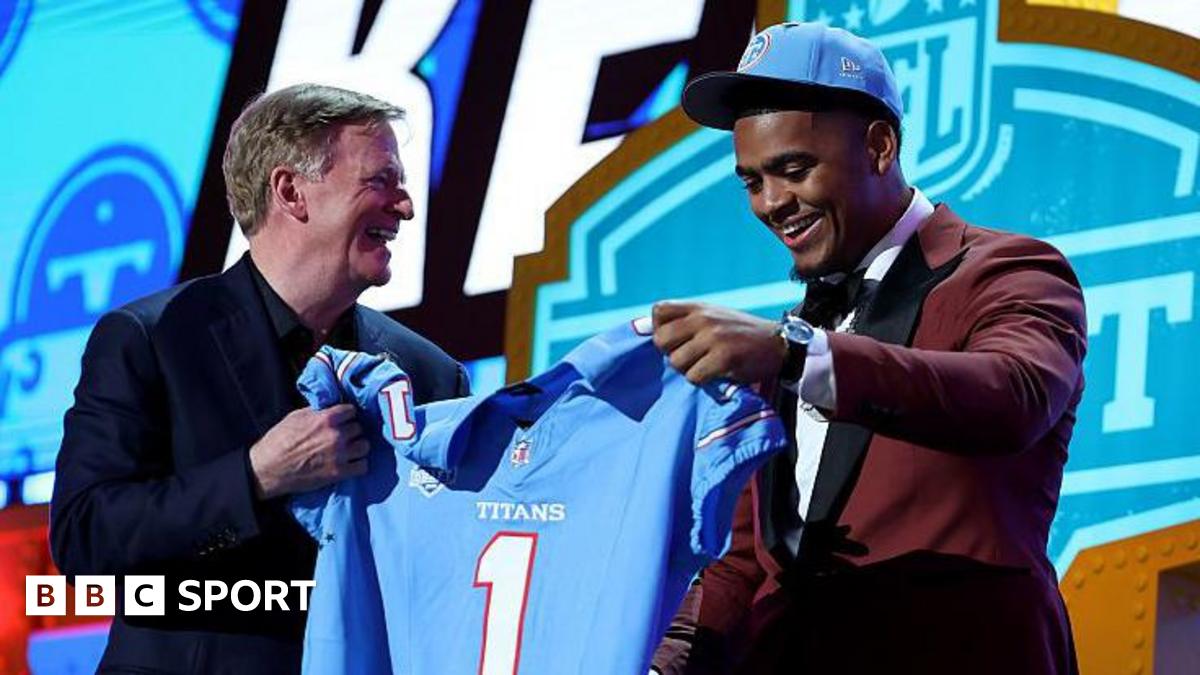
The gap between Division I Football Bowl Subdivision (FBS) Saturdays and NFL Sundays is defined by structural limits, player development pipelines, and distinct organizational philosophies. While the professional level operates with 32 franchises focused on hyper-tuned execution, FBS college football encompasses 134 programs across 10 conferences, each operating under an 85 full-scholarship limit. Examining how these two tiers align requires analyzing roster mechanics, the annual spring entry draft, sideline management, and how virtual simulation engines reflect their tactical differences.
Roster Limits, Draft Pipelines, and the 134-Team Landscape
Managing an FBS program requires balancing talent acquisition with strict institutional caps. Each of the 134 FBS schools operates with 85 full-scholarship players, competing in a 12-game regular season that runs from late August or early September through late November or early December. Teams play eight or nine games against conference rivals within their respective leagues before advancing to conference championship games, postseason bowl matchups, and the January College Football Playoff structure first introduced in 2014.
For top four- and five-star recruits, college football serves as the ultimate proving ground for professional ambitions. The annual spring NFL Draft acts as the primary transition point, signing 224 college players to professional contracts each year. Although NFL organizations rely on college programs to develop top prospects, the jump from college to the pros highlights contrasting approaches to depth chart construction and playbook execution.
Sideline Dynamics and Off-Field Friction
The intense pressure of collegiate football frequently creates volatility both inside locker rooms and across public forums. In the Big 12, calls for Sonny Dykes' firing mounted after a TCU wide receiver suffered a brain bleed following a locker room assault. Elsewhere, at Georgia, head coach Kirby Smart dropped a subtle hint regarding a 22-year-old star's quiet retirement before outside observers pieced together the roster change.
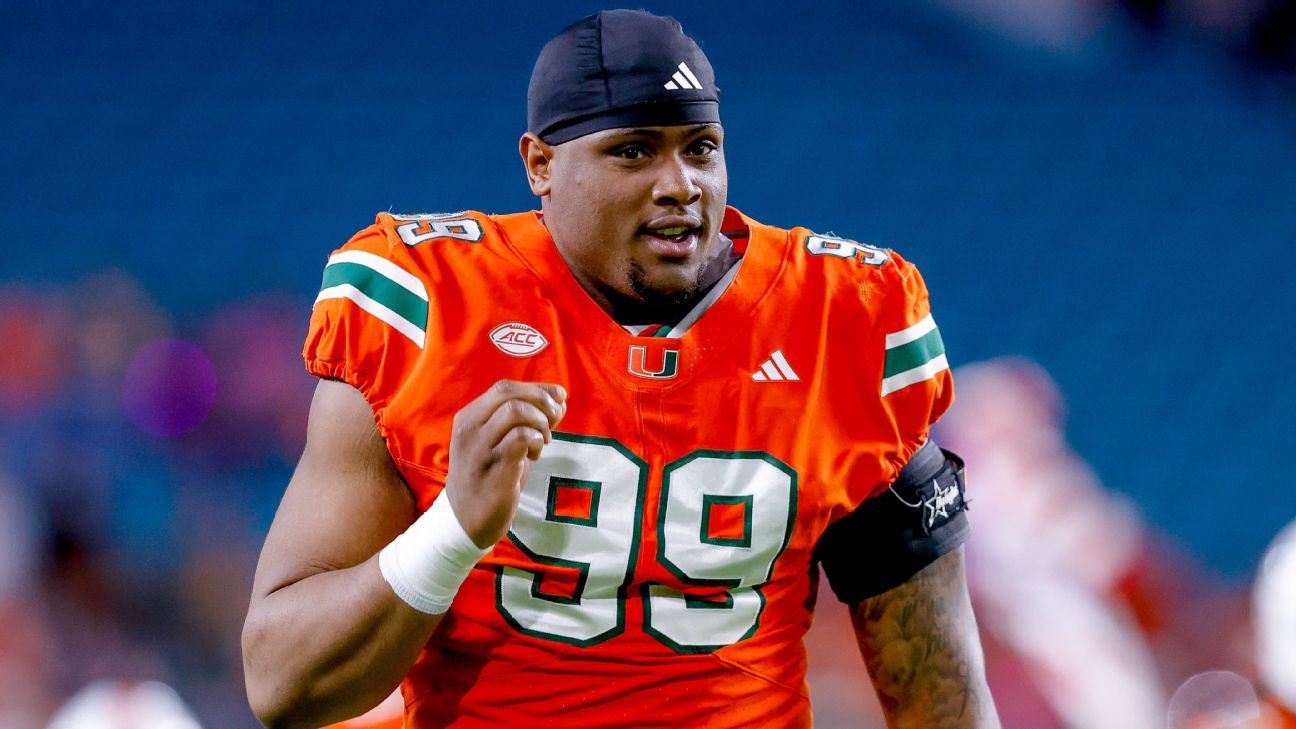
Coaching commentary regularly highlights the friction between program control and external influences. Texas Tech head coach Joey McGuire took a subtle shot at the USC crowd after Lincoln Riley's program was forced into corrective action, while Texas head coach Steve Sarkisian publicly addressed proposals regarding bringing NFL players back into college football amidst reports of Lane Kiffin's LSU SEC boycott threat. Meanwhile, Marcus Freeman looked back at Ohio State's historic past while Kiffin remained embroiled in ongoing SEC tension, illustrating the continuous media exposure surrounding major collegiate programs.
Virtual Gridirons: How Simulation Engines Capture the Divide
The practical and structural differences between college and professional football extend directly into sports gaming. EA Sports designs distinct virtual experiences to match the tactical reality of each level.
| Game Platform | Key Simulation Features | Target Tactical Experience |
|---|---|---|
| Madden NFL 26 | Dynamic pocket QB movement, weather variables (snow, fog, rain), AI trained on ~10 years of NFL data | Professional precision, realistic pocket physics, strategic execution |
| College Football 26 | 2,700+ new plays, 10,000 player models, 300+ real coaches with custom strategies | Playbook variety, deep roster management, atmospheric venue energy |
Madden NFL 26 emphasizes professional nuance, featuring refined pocket quarterback mechanics, severe weather conditions such as rain, fog, and snow, and an artificial intelligence system trained on nearly a decade of real NFL game data. In contrast, College Football 26 emphasizes collegiate scale with more than 2,700 new play calls, 10,000 individual player models, and over 300 authentic coaches equipped with distinct strategic styles. Building on its college footprint, EA Sports announced EA Sports College Football 27 for a worldwide release on July 9, hosting an Ultimate Tailgate event featuring Chris Stapleton in Austin, Texas.
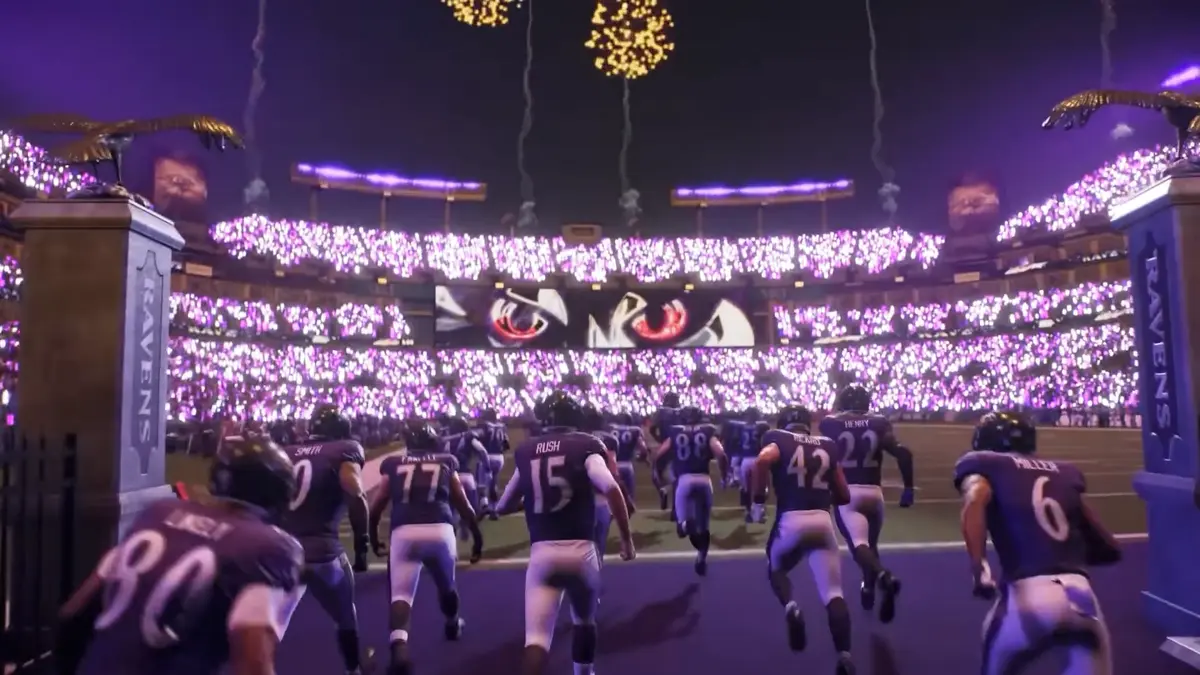
Whether measured through 85-scholarship limits, 224-player draft classes, locker room management, or digital playbooks, college football and the NFL remain bound by a shared talent funnel while maintaining entirely unique identities.
Sources
These sources formed the evidence pack for this article. Links open the original publisher; inclusion does not imply endorsement.
- essentiallysports.com original
- novinky.cz original
- ea.com original