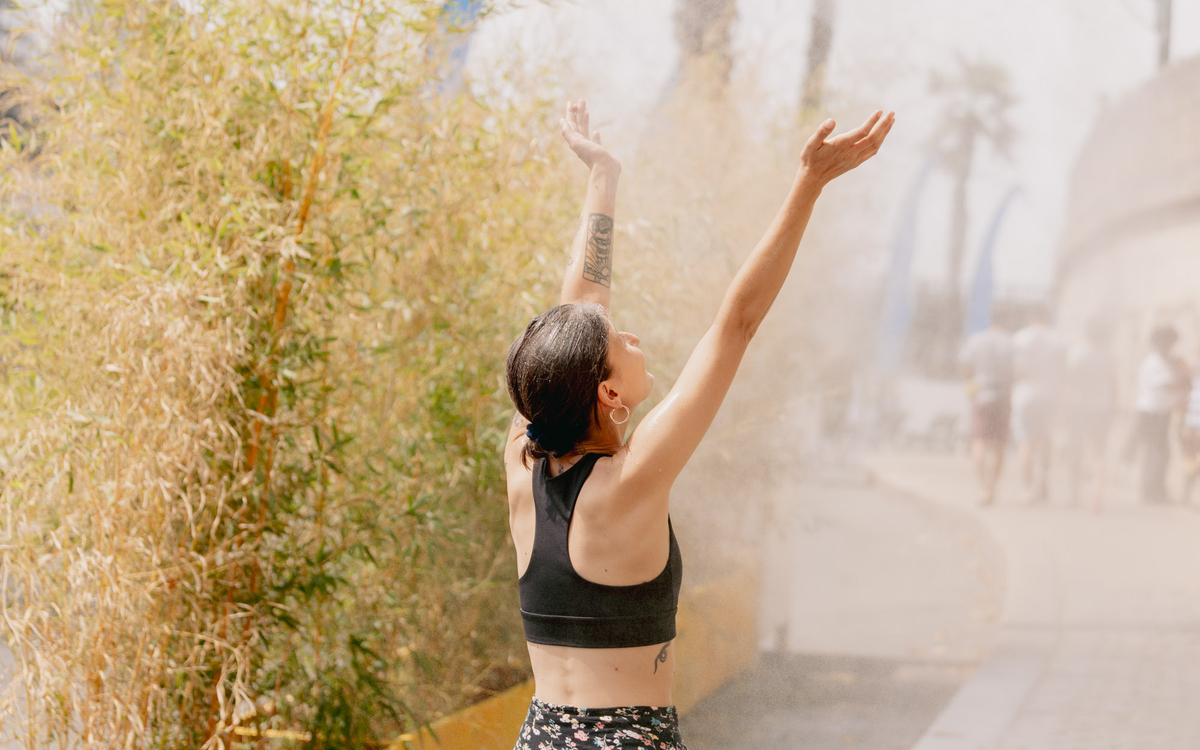
When the Parisian asphalt begins to radiate under a severe heatwave, surviving the city requires more than luck; it demands a tactical pivot. While the casual visitor might melt on the open boulevards, local authorities and urban planners have carved out a sophisticated network of thermal refuges. From climate-controlled cultural sanctuaries to open-water sporting hubs, Paris offers distinct avenues to escape the oppressive glare while maintaining the pace of daily life.
The Air-Conditioned Cultural Circuit
When the mercury spikes, the city’s vast institutional footprint becomes an athlete’s or art lover's best defense. Major cultural repositories double as climate-controlled sanctuaries. The Musée de la Libération de Paris in the 14th arrondissement, the Musée d'Art moderne de Paris in the 16th, the Petit Palais in the 8th, the Musée de l’Orangerie, the Musée de la Marine, the Musée Marmottan-Monet, and the Louvre all feature dedicated air-conditioned or tempered environments.
For those seeking both chill and architectural novelty, the Paris sewer museum (Musée des égouts) maintains a naturally stable subterranean gallery temperature hovering around 23 to 24 degrees Celsius. Deeper still, the newly renovated catacombs plunge visitors twenty meters underground into a 14-degree atmosphere, blending historical gravity with reliable relief.
Aquatic Infrastructure: From Public Pools to the Seine
When dry land becomes too taxing, Paris turns to its aquatic grid. The capital houses 42 public swimming pools open year-round, accommodating everyone from beginners to dedicated lap swimmers across various arrondissements. Yet, the outdoor summer swimming infrastructure elevates the city's athletic profile significantly.
Summer swim sites grant free access to open-water spaces like the Seine and the Bassin de la Villette, complemented by ephemeral pools dotted throughout select neighborhoods. These locations tie directly into the broader post-swim ecosystem of Paris Plages, where sun loungers and misting systems offer a functional recovery zone after intense physical exertion in the heat.
The Long Shadow of the Paris Games and Paratriathlon Grit
This physical landscape is forever intertwined with the recent monumental staging of the Paris 2024 Olympic and Paralympic Games—an event that shifted the city's global athletic posture. The legacy of those magical weeks resonates across French sport, championed by figures like Marie-Amélie Le Fur, president of the French Paralympic and Sports Committee since 2018, who has driven a long-distance mission to use the Games as a springboard for handisport inclusion.
Consider the sheer physical commitment of athletes like young French paratriathlon champion Mona Francis. Preparing for a grueling triple-demanding competition—a 750m open-water swim, a 20km bike ride, and a 5km run starting at the historic Alexandre III Bridge—demands unwavering focus. Having lost her right leg in a motorcycle accident a decade prior, Francis embodies the exact resilience that defines elite competition against the backdrop of the French capital's most iconic waterways.
Whether navigating the cooling corridors of municipal libraries, seeking silence inside historic churches adorned with masterworks by Eugène Delacroix and Carle van Loo, or utilizing the 24-hour green spaces that stay open through peak summer nights, Paris proves that urban athleticism and survival under pressure require knowing precisely where to turn when the heat is on.

Sources
These sources formed the evidence pack for this article. Links open the original publisher; inclusion does not imply endorsement.