/https%3A%2F%2Fsportsmole-media-prod.s3.gra.io.cloud.ovh.net%2Fuploads%2F2025%2F06%2Fimago1046006062-684972c8dad30438822291.jpg)
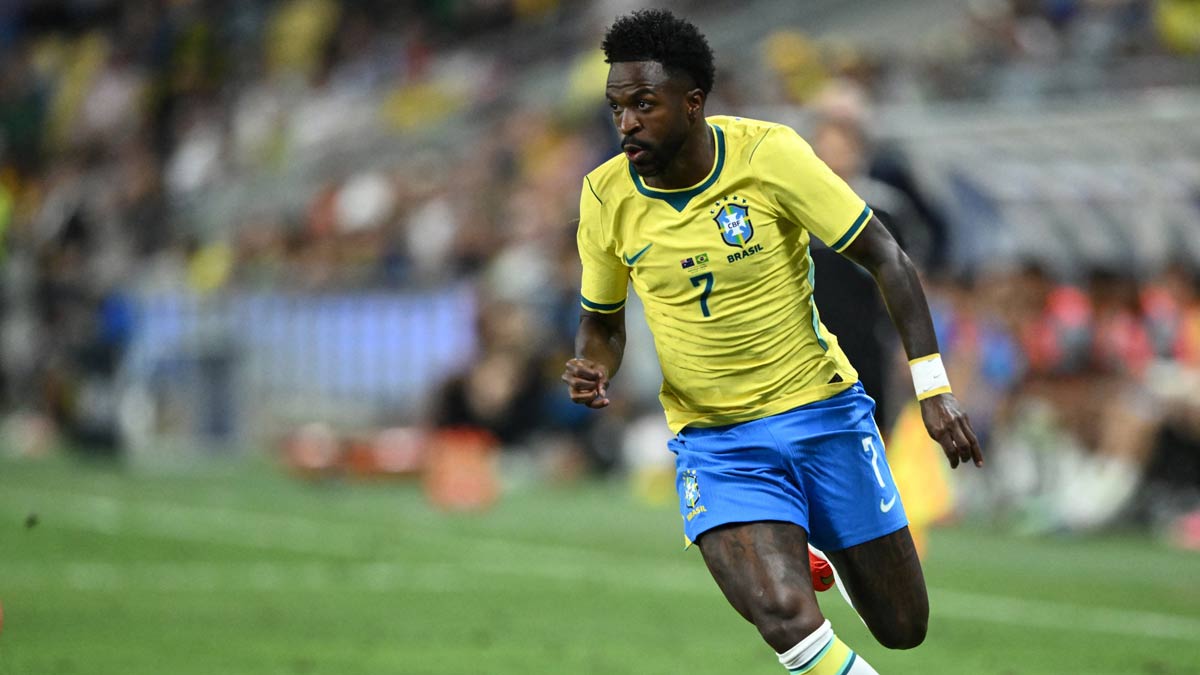
When the 2026 Brasileirão Serie A calendar rolls into Round 24, fixtures at the foot of the table rarely offer aesthetic comfort. They are survival exercises driven by stark mathematical realities and compounding psychological pressure. On Sunday, Chapecoense welcomes São Paulo to town under precisely these heavy conditions, a matchup that places the division's most vulnerable defensive structure directly into the path of a challenging visitor accustomed to dominating possession.
The fixture profile highlights a widening gulf in current league dynamics. Chapecoense enters the encounter anchored at the twentieth position in the standings with a meager ten points accumulated through twenty matches. Their defensive metrics illustrate the uphill battle facing the Verdão do Oeste: secondary data points and league trackers identify Chapecoense as possessing the lowest defensive resistance in the entire championship, conceding an average of 1.9 goals per match during recent stretches. Conversely, São Paulo arrives with the tactical propensity to dictate tempo, dominate the ball, and force opponents into prolonged defensive blocks.
The Structural Vulnerabilities and Squad Reinforcements
For Chapecoense, finding a spark has required casting a wide net across both tactical adaptation and personnel adjustments. The club's recent build-up has been bolstered by compelling individual narratives, including the rise of 21-year-old Pernambucano forward Túlio Eduardo—a product of Recife's Campina do Barreto neighborhood who made headlines by cycling 64 kilometers just to train in his youth before breaking into the elite levels of national football. Furthermore, the potential debut of new acquisition Dylan Borrero gives the technical staff a fresh attacking dimension as they attempt to relieve the immense pressure on a sputtering frontline.
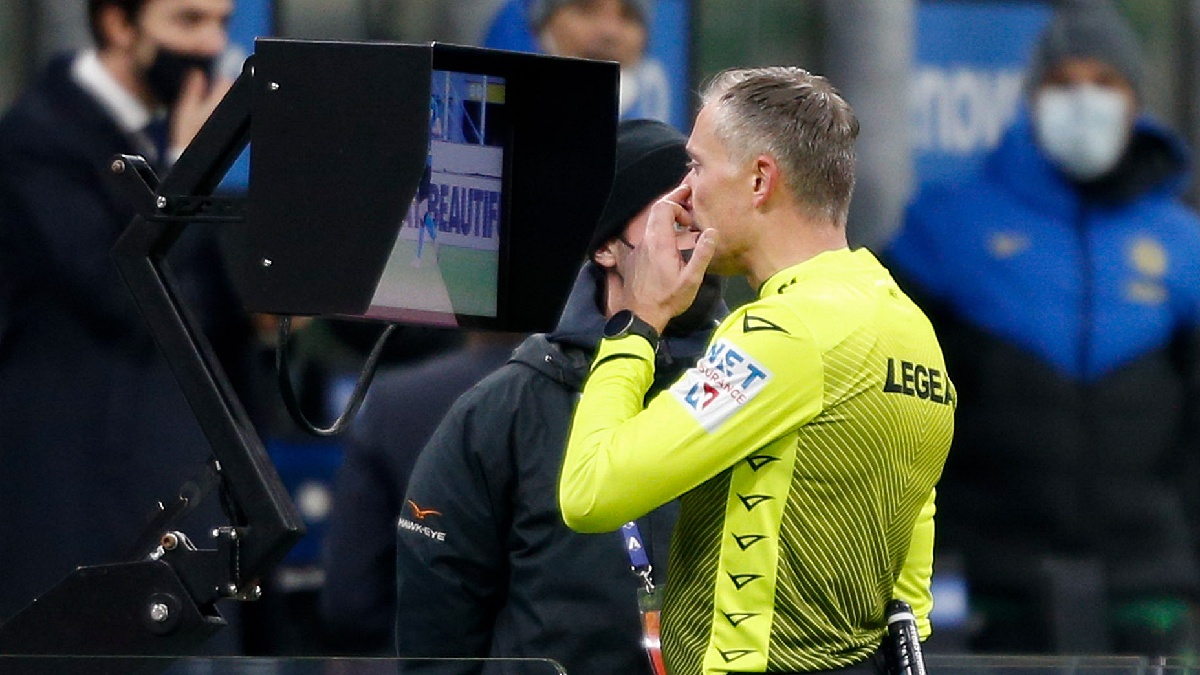
Yet, structural issues extend beyond the tactical board. Recent weeks in Brazilian football have underscored how stadium infrastructure and margins of error can dramatically alter a matchday environment. Earlier in August, during Coritiba's encounter with Chapecoense at the Couto Pereira, defender Jacy Maranhão Oliveira provided a bizarre viral moment when a goal celebration carried him over the advertising boards and straight into an unprotected stadium tunnel. Though the resulting ankle sprain and subsequent VAR intervention—which correctly overturned the goal for an earlier offside in the build-up—occurred in a different fixture, it served as a stark reminder of the chaotic physical and operational realities framing matches across the lower tier of domestic competition.
Tactical Landscape and the São Paulo Challenge
São Paulo's tactical approach on the road centers on control. By starving opponents of possession and forcing them to cover vast expanses of grass defensively, visiting sides often induce the exact fatigue and positional breakdown that Chapecoense has struggled to prevent. In previous pressure-cooker scenarios this season, such as Chapecoense's encounters against Santos and broader winless runs, opponents with superior ELO ratings and technical quality have consistently looked to exploit the wide spaces left by the home side's desperate pressing.
- Possession Battle: São Paulo is expected to command the lion's share of the ball, shifting the burden of defensive organization onto Chapecoense's backline.
- Defensive Integrity: Chapecoense must drastically improve their containment metrics, having previously averaged nearly two goals conceded per match over extended bad patches.
- Transition Speed: Utilizing fresh options like Dylan Borrero in quick counter-attacks remains the host's most viable route to disrupting São Paulo's defensive shape.
Evidence-Led Forecast
Expecting a fluid, open encounter ignores the defensive frailties and high stakes gripping both organizations. São Paulo will likely control the rhythm through sustained territorial pressure, probing for openings against a Chapecoense side that has shown deep vulnerability when forced to defend for long periods. The strongest counter-case for Chapecoense rests on raw desperation and directness—if they can disrupt São Paulo's midfield build-up early and protect their penalty area with greater discipline than previous weeks, they can turn the fixture into a scrappy battle of attrition. However, barring an uncharacteristic defensive collapse from the visitors, São Paulo's ability to keep the ball and exploit the league's weakest rearguard makes them distinct favorites to dictate the afternoon's outcome.
Sources
These sources formed the evidence pack for this article. Links open the original publisher; inclusion does not imply endorsement.
- sportsmole.co.uk original
- sportyzive.cz original
- ge.globo.com original
- thunderbet.ai original