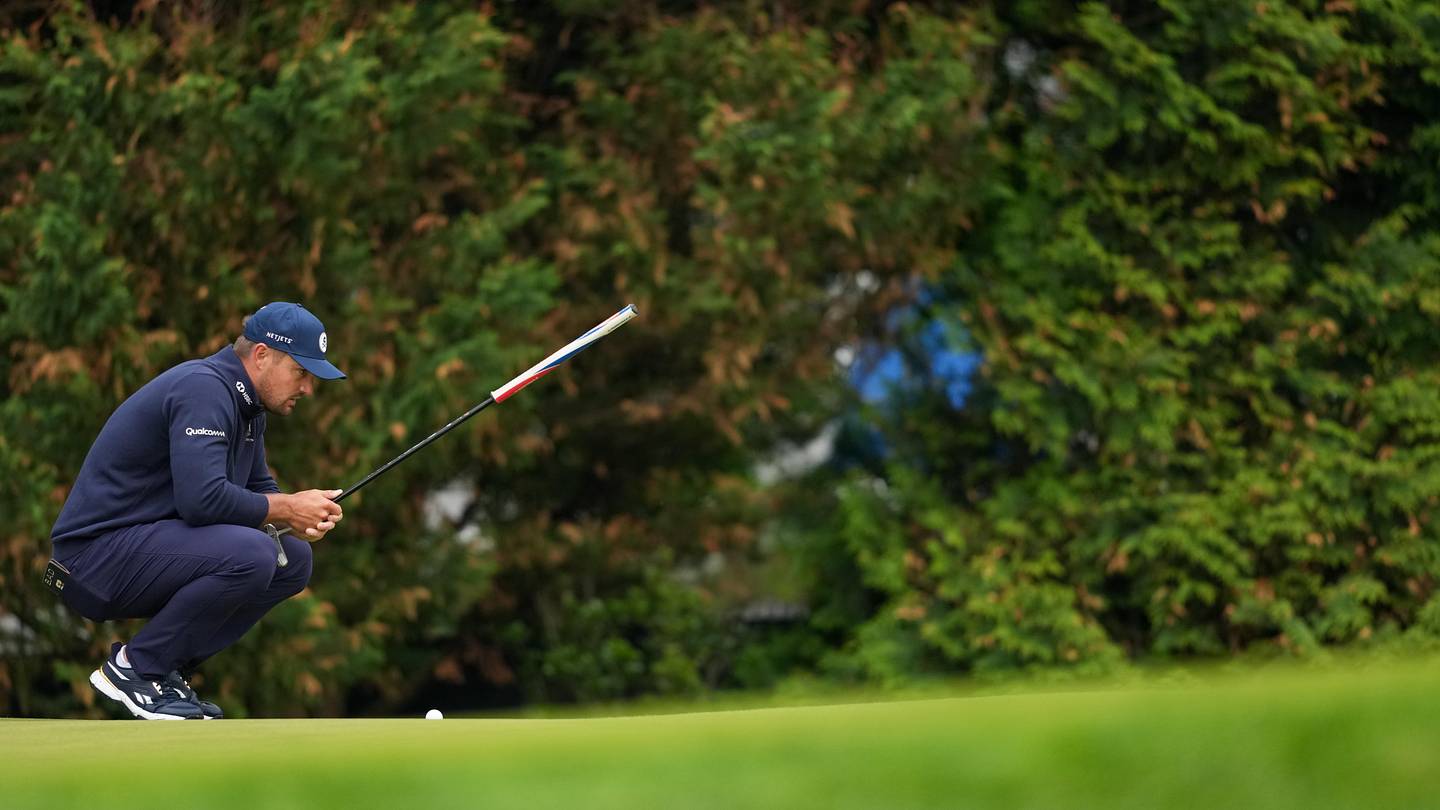
When the Saudi Public Investment Fund announced it would terminate its financial backing of the LIV Golf League at the end of the year, it sent a shockwave through professional golf that caught its marquee names completely off guard. Among them is Bryson DeChambeau, whose contract with the breakaway league expires at the end of the 2026 season. As LIV fights for survival under new leadership, the two-time major champion finds himself occupying a position of supreme leverage, holding the keys to whether the team golf experiment can secure a viable future or fade into memory.
The timing could not be more delicate. Having initially joined LIV in 2022 on a reported $125 million guarantee, DeChambeau has evolved into the undisputed face of the league. He has captured five LIV events, secured the 2024 U.S. Open title, and cultivated a massive digital footprint featuring 2.65 million subscribers on YouTube. Yet, behind the scenes, the landscape has fractured. While CEO Scott O’Neil has worked to onboard new investors—even touring facilities alongside DeChambeau during stops in Virginia—the sudden departure of the PIF has forced players to confront an uncertain financial horizon.
The Tug-of-War Over Leverage and Career Paths
DeChambeau's options for 2027 and beyond are as varied as they are unprecedented. Industry insiders suggest that if LIV Golf aims to retain him, a new deal could command anywhere between $200 million and $500 million. At the same time, returning to the PGA Tour presents complicated hurdles. His 2022 defection was notably acrimonious, marked by his participation in an antitrust lawsuit against the tour, and any potential pathway back involves navigating what DeChambeau has described as quite unfortunate punitive measures.

Rather than bowing to traditional tour structures should LIV fold, DeChambeau has openly floated an alternative career path: leaning exclusively into his digital media empire.
“I think, from my perspective, I’d love to grow my YouTube channel three times, maybe even more,” Bryson DeChambeau told ESPN.
With an estimated $20 million annually pouring in from sponsors like Reebok, Qualcomm, Google, and Kalshi—alongside his recent acquisition of motion capture technology firm Sportsbox AI—DeChambeau possesses a financial safety net that few elite golfers can claim.
On-Course Volatility and Physical Toll
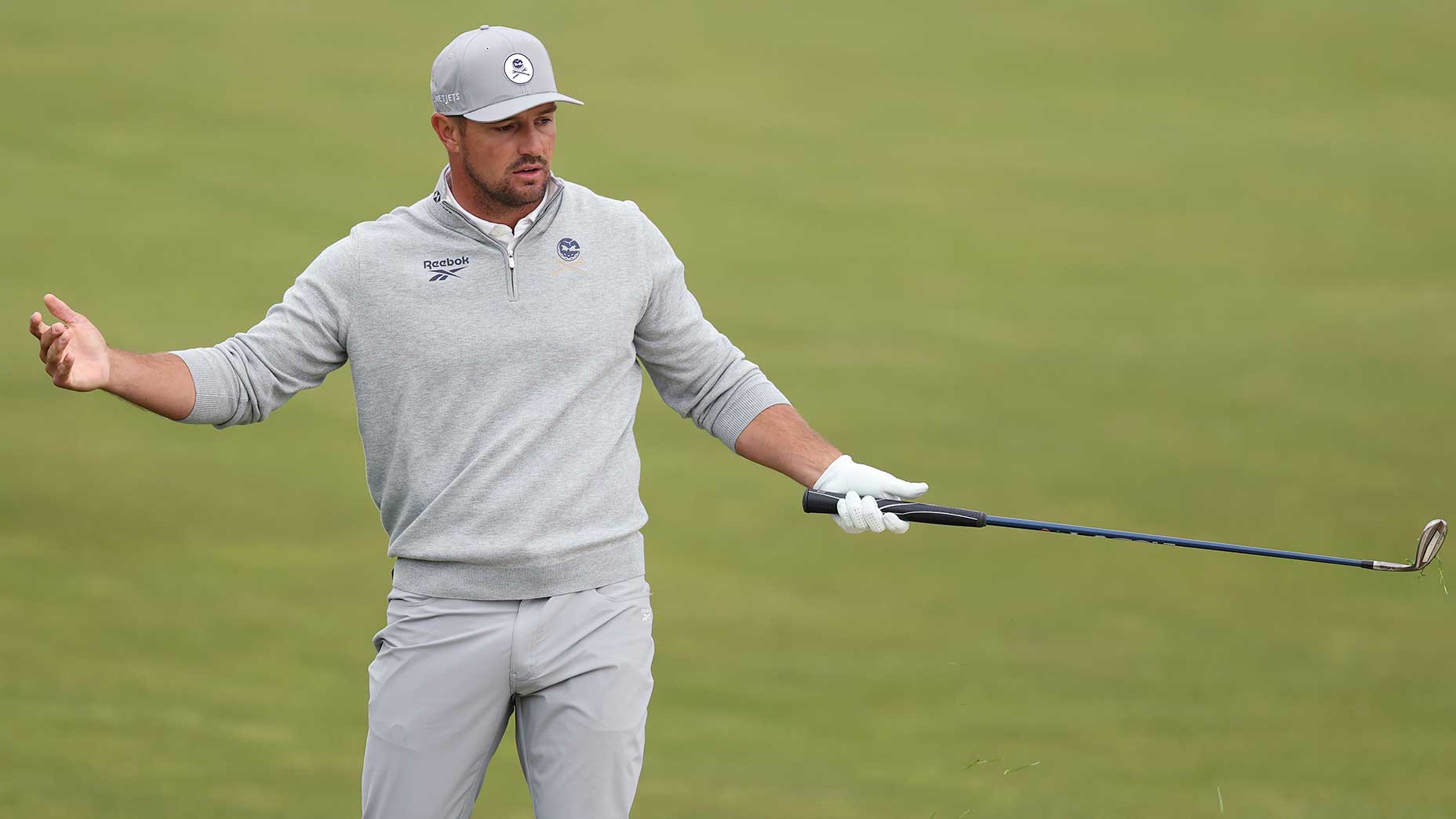
This organizational turbulence has coincided with a turbulent stretch inside the ropes. After missing the cut with rounds of 76 and 71 at the PGA Championship at Aronimink, DeChambeau notched his second consecutive early exit at a major, marking the first time in his career he missed the weekend at both the Masters and the PGA in the same season. Analysts and peers alike have pointed to a mix of mental fatigue, heightened expectations to carry the LIV banner, and nagging physical ailments.
Despite these physical strains and the weight of the ongoing league uncertainty, DeChambeau remains exempt in the U.S. Open through 2034, alongside long-term exemptions for the Masters, PGA Championship, and Open Championship. As the calendar ticks toward the U.S. Open at Shinnecock Hills, his immediate focus remains split between rediscovering his swing mechanics and deciding the fate of a team golf model he continues to champion.
Sources
These sources formed the evidence pack for this article. Links open the original publisher; inclusion does not imply endorsement.
- si.com original
- sportico.com original
- golf.com original
- nypost.com original