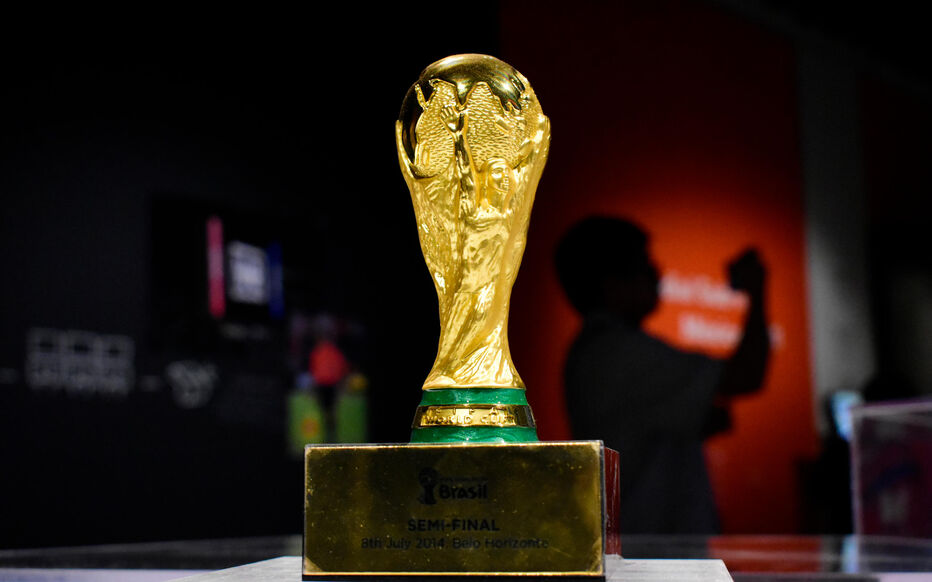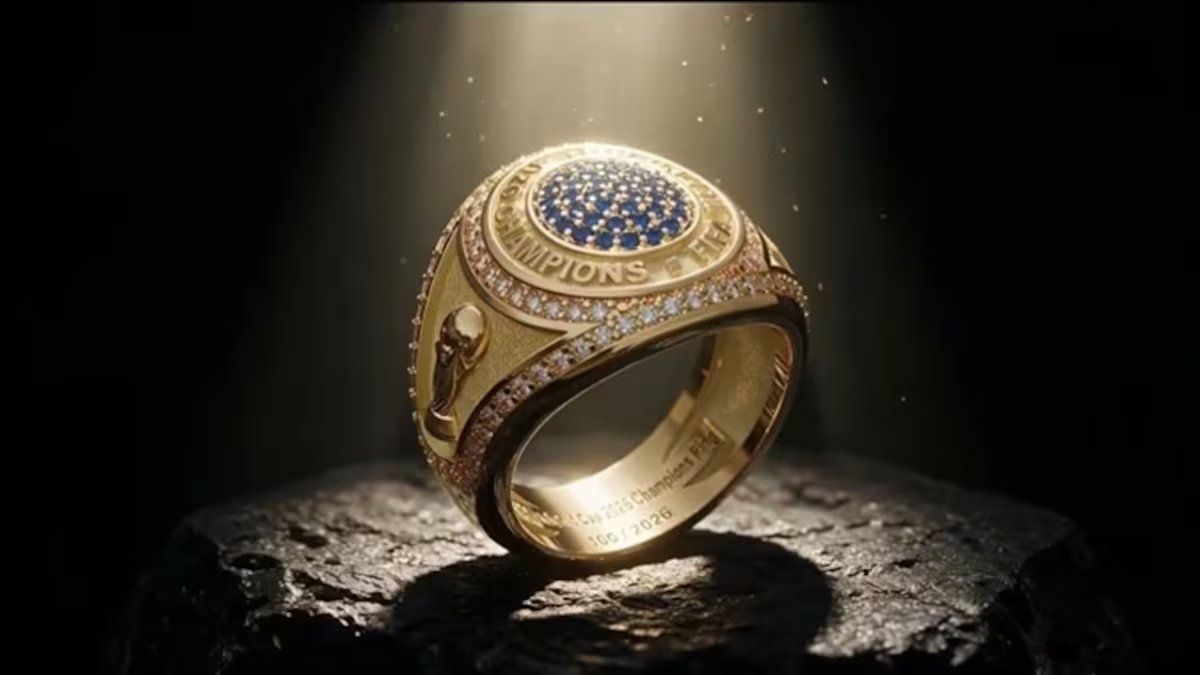
When the final whistle blows this Sunday at MetLife Stadium, the winner of the showdown between Argentina and Spain will walk away with more than just the gold medals and the iconic World Cup trophy. In a move that signals a profound shift in how football celebrates its highest honors, FIFA has announced that the 2026 champions will receive something virtually unprecedented in the sport: championship rings.
For nearly a century, the material symbols of footballing immortality have been limited to the trophy and the medal. However, as the 2026 tournament unfolds on North American soil, FIFA is embracing a ritual deeply embedded in the cultural fabric of the United States. This is not merely a new piece of hardware; it is a strategic adoption of the "Americanization" of the tournament, bringing the glitz and prestige of the NFL, NBA, and MLB to the world's most popular sport.
A Calculated Shift in Tradition
The decision to introduce championship rings is a clear nod to the professional leagues of North America, where such jewelry has symbolized sporting greatness for decades. While the tradition has roots stretching back to the Montreal Hockey Club in 1893, it was the American professional leagues that transformed these pieces into legendary artifacts of success.
- Major League Baseball: Began official recognition in the 1920s.
- NBA: Has utilized championship rings since its inception in the late 1940s.
- NFL: Has institutionalized the ring ritual throughout the Super Bowl era, beginning in 1967.
By incorporating this element, FIFA is blurring the lines between global football and the high-spectacle entertainment model of US sports. The 2026 World Cup has already moved toward a commercialized, VIP-driven experience, and the rings represent the ultimate marriage of athletic achievement and high-end branding.

The Logistics of Glory: The 2,026 Collection
The implementation of this new tradition is as precise as it is ambitious. FIFA has confirmed that a limited run of 2,026 rings will be manufactured—a direct tribute to the host year. However, the distribution of these pieces is strictly divided between the victors and the global audience:
| Recipient Group | Quantity | Details |
|---|---|---|
| The Winning Squad | 30 | Custom-made, numbered, and fitted to individual measurements. |
| The General Public | 1,996 | Available for official purchase as commemorative products. |
The design of the rings is intended to be a dual-purpose narrative of the victory. One side of the piece will feature the unmistakable image of the FIFA World Cup trophy. The opposing side will be customized to reflect the specific identity of the winning nation—whether that be the Albiceleste of Argentina or the colors of Spain. To ensure their status as legitimate historical relics, every ring will be uniquely numbered and accompanied by an official certificate of authenticity.
The Two-Stage Ceremony
Because the precision of a custom-fitted ring cannot be achieved on a pitch in the heat of celebration, FIFA has designed a two-tiered delivery system. During the immediate post-match festivities on the field, the winning captain and the head coach will be presented with provisional rings to symbolize the immediate triumph.
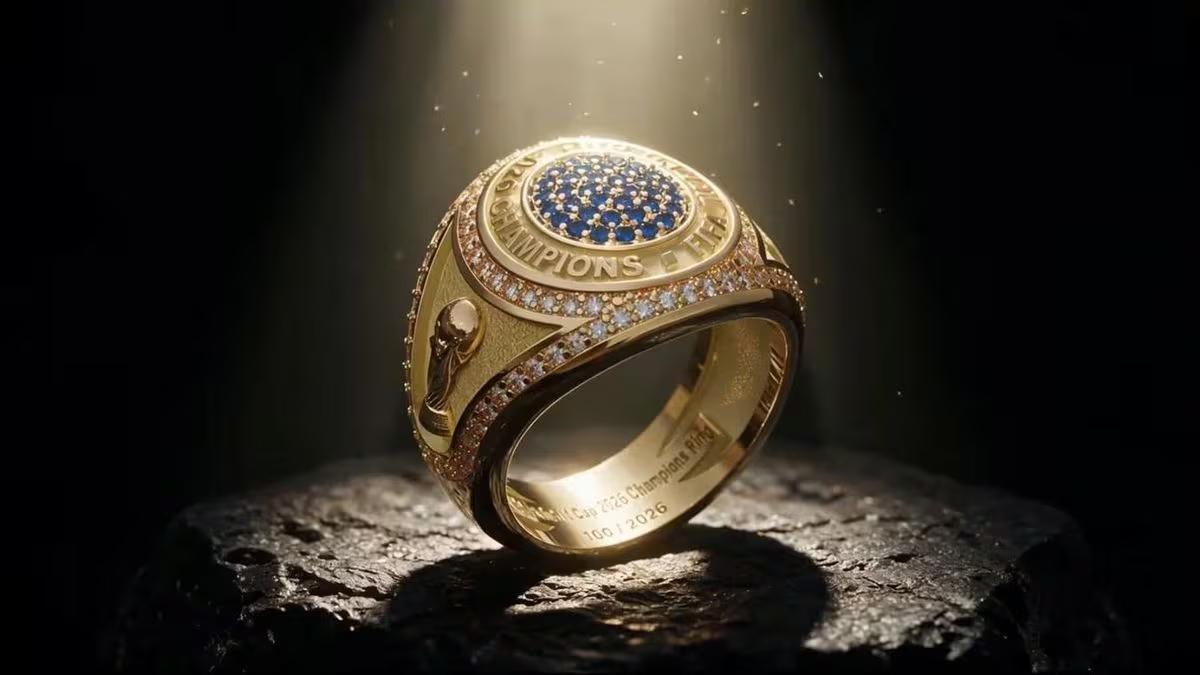
The definitive, bespoke rings—crafted to the exact specifications of each player and staff member—will be delivered in a separate, formal ceremony following the tournament. As one FIFA official noted, the goal is for the champions to be able to "wear the symbol of an achievement they will never forget for their entire lives."
Commercial Stakes and Speculative Value
While FIFA has remained silent on the exact retail price for the 1,996 rings destined for fans, the market implications are significant. The rings are being positioned as high-value collectibles, moving the World Cup into the realm of luxury memorabilia.
Industry analysts and observers have already begun speculating on the value of these pieces. While some reports suggest the cost of such high-jewelry commemorative pieces can exceed $50,000, others suggest that in the context of elite sports collectibles, the value of a confirmed World Cup winner's ring could potentially climb toward the $100,000 mark. Whether these rings become the next generation of museum-grade artifacts or high-end consumer goods remains to be seen, but one thing is certain: the way the world celebrates football glory has changed forever.
Sources
These sources formed the evidence pack for this article. Links open the original publisher; inclusion does not imply endorsement.
- lanacion.com.ar original
- Juan Manuel Rovira original
- ambito.com original
- Ariel Velázquez original
- Por TIM REYNOLDS original
- Clàudia Espinosa original
- Europa Press original